

Batman Costume Selection: How to Choose the Perfect Suit for Every Fan
2026-05-21
Every fan dreams of becoming the Dark Knight, but with so many iconic Batsuits across comics, movies, and games, picking the right one can feel like solving a Riddler puzzle. Whether you're drawn to the classic grey and black or the tactical armor of recent films, the perfect costume reflects your personal connection to Gotham's protector. At CCosplay, the options go beyond mass-produced designs—each suit is crafted to help you channel Batman's presence, not just wear a mask. Let's explore what makes a Batman costume truly yours, from material to silhouette, before you leap into the night.
From Bale to Pattinson: Decoding the Batsuit Evolution
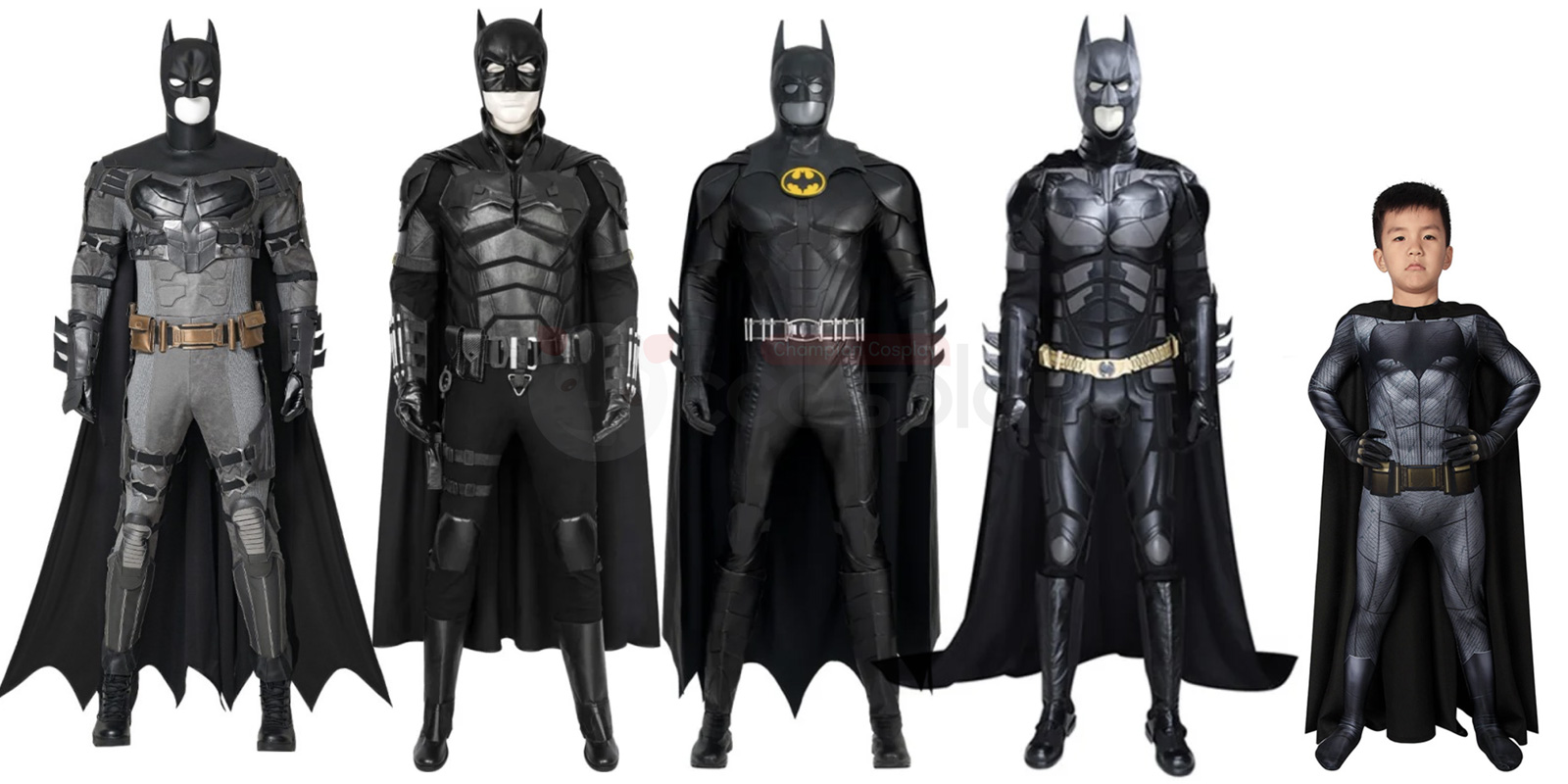
Christian Bale's Batsuit in Christopher Nolan's trilogy redefined the superhero aesthetic with its militaristic, functional design. Featuring a segmented armor plating system and a matte black finish, the suit emphasized mobility and realism, mirroring Bruce Wayne's tactical approach. The cowl was sculpted to allow neck movement—a first in live-action—and the utility belt was understated yet intricately detailed, steering clear of campy excess. This grounded interpretation set a new standard, showing that the Batsuit could be as much a piece of body armor as a symbol of fear.
Ben Affleck's iteration in Batman v Superman: Dawn of Justice drew heavily from Frank Miller's The Dark Knight Returns, presenting a hulking, fabric-textured suit that exuded brute strength. The bulky silhouette and short, stubby ears on the cowl gave the character an imposing, almost monstrous presence. The suit’s weathered appearance and visible stitching suggested a veteran vigilante who had endured countless battles. This version prioritized intimidation over agility, signaling a Batman who had grown harsher and more physically dominant over years of crime-fighting.
Robert Pattinson's Batsuit in The Batman embraces a homemade, detective-first ethos. The armor exhibits an improvised, leatherwork quality, with stitched panels and exposed straps that hint at a younger, still-evolving crimefighter. The cowl’s angular jawline and the bat emblem crafted from a dismantled pistol underscore a resourceful, symbol-driven origin. This suit feels less like polished tech and more like a personal crusade—a tactile, gritty incarnation that reflects Pattinson’s raw, emotionally charged portrayal, marking a distinct shift toward psychological realism over spectacle.
Event-Ready or Everyday Wear? Matching the Suit to the Occasion
A suit isn't just a suit—it's a statement that shifts dramatically depending on where you're wearing it. The same charcoal two-piece that commands respect in a boardroom might feel stiff and out of place at a friend's wedding after-party. The trick lies not just in the cut or the cloth, but in how you interpret the event's unspoken dress code. Is it a time to project authority, or a moment to relax into effortless elegance? Recognizing this distinction is the first step toward making your tailoring work harder for you, ensuring you never feel over- or underdressed again.
For occasions that demand polish—think galas, formal dinners, or milestone celebrations—lean into fabrics with a subtle sheen and deeper hues like midnight blue or burgundy. Peak lapels, a well-structured shoulder, and a crisp pocket square telegraph sophistication without screaming for attention. These are the suits that thrive under chandeliers and camera flashes. Yet, the same level of detail applied to a casual Friday can feel jarring. Switching to an unstructured blazer in a textured hopsack or linen blend instantly communicates approachable refinement, the kind that invites conversation rather than inspection.
Ultimately, the environment dictates the details. A tie might be non-negotiable in a courtroom but entirely optional at a creative agency's rooftop mixer. Shoes, too, follow suit: polished oxfords anchor a formal look, while suede loafers or minimalist sneakers pull an everyday outfit into relaxed territory. Pay attention to the rhythm of the setting—its pace, its purpose, its people. When you align your suit's personality with the occasion's heartbeat, you don't just dress appropriately; you dress memorably.
Comfort vs. Canon: Balancing Screen Accuracy with All-Night Wearability
Staring at a perfectly calibrated screen is a joy—until your eyes start burning three hours in. That’s the trade-off nobody talks about. True color accuracy demands high brightness and often cooler white points, which can turn an all-nighter into a squinty, headache-fueled mess. The real magic lies in finding a display that doesn’t force you to choose between visual precision and physical endurance. It’s not about specs on paper; it’s about how your body holds up after hour five.
Most “pro” screens shove accuracy down your throat with blinding backlights and zero regard for circadian rhythms. But a panel that keeps you working past midnight needs gentler tone mapping, warmer grays, and just enough luminance to keep detail visible without assaulting your retinas. Some of the best late-night setups I’ve used lean a bit into amber shifts—sacrificing a few delta-E points for the sake of morning-after clarity. That slight tint beats waking up with sandpaper eyes any day.
Off-the-shelf calibration tools obsess over charts, but they rarely account for the human behind the screen. A truly wearable display for round-the-clock use tweaks gamma curves subtly, eases contrast ratios when the room gets dark, and never forgets that comfort is the ultimate color metric. If you can’t look at it without reaching for eye drops every twenty minutes, those perfect reds and blues mean nothing. Balance isn’t a compromise—it’s the only way a screen becomes part of your daily rhythm.
Beyond the Cape: Unexpected Places to Find Unique Batman Gear
Most hunters of Dark Knight memorabilia flock to comic shops and licensed retailers, but the truly distinctive pieces often lurk in far quieter corners. Estate sales in neighborhoods with aging collectors can yield original production cels from Batman: The Animated Series or hand-drawn sketches from long-forgotten comic cons. I once stumbled upon a set of vintage Batarang letter openers still in their felt-lined box, buried beneath a stack of old Life magazines at a rural flea market—no one else had given the table a second glance.
Industrial surplus auctions are another goldmine that rarely crosses a fan’s mind. Props from the Tim Burton and Christopher Nolan films sometimes surface when studios liquidate outdated inventory, mislabeled as simple ‘themed decor’ or ‘miscellaneous metalwork.’ A friend scored a Gotham City Police Department badge cast from the actual mold used in The Dark Knight, listed online by a warehouse that mainly sold restaurant equipment. It arrived with a grease smudge and zero fanfare, but under a magnifying lens, the serial number matched production records perfectly.
For wearable gear with genuine peculiarity, keep an eye on military surplus sites around Halloween. Experimental tactical harnesses or carbon-fiber forearm guards occasionally get incorrectly tagged because their origin stumps the sorter. A tactical capelet once popped up under ‘costume accessory’ at a government liquidation platform—turns out it was a prototype for a scrapped Batman stunt suit, complete with quick-release clasps and a weighted hem for dramatic motion. Descriptions are often vague, so searching terms like ‘matte black cowl,’ ‘modular utility rig,’ or ‘wing-shaped grapple’ can unlock pieces that make typical merch look painfully ordinary.
Fabric Face-Off: Spandex, Leather, or Armor – Which One Is Right for You?
When it comes to selecting the ideal material for your next costume, cosplay outfit, or even functional gear, the choice between spandex, leather, and armor can feel overwhelming. Each fabric brings its own personality, perks, and pitfalls to the table. Spandex is the go-to for heroes who value flexibility and a skin-tight silhouette, but it leaves little to the imagination and won't stand up to rugged wear. Leather offers a timeless, edgy look that ages beautifully with proper care, yet it can be heavy, hot, and sometimes restrictive. Armor—whether crafted from real metal or high-density foam—delivers unmatched protection and a commanding presence, though it demands patience to create and wear. Deciding which is right for you boils down to how you plan to move, the statement you want to make, and the level of commitment you're ready to invest.
Think about your priorities before committing. If your main goal is freedom of movement for an acrobatic performance, spandex moves with you like a second skin and photographs brilliantly. For those leaning into a post-apocalyptic warrior or classic fantasy vibe, leather can be tooled, dyed, and distressed to tell a story, but it requires breaking in. Armor enthusiasts often chase a sense of invulnerability and grandeur; modern materials like thermoplastics let you shape epic pauldrons and chest plates without the backbreaking weight of steel. Remember that comfort and climate matter—spandex breathes but offers zero impact resistance, leather insulates but can feel like a sauna, and armor, even lightweight versions, can chafe and limit your range of motion after hours of wear.
Ultimately, the best choice might be a blend. Many seasoned creators mix materials to get the best of all worlds: a spandex base suit with strategically placed leather belts and pouches, accented by armor plating on the shoulders or shins. This approach lets you prioritize mobility where you need it, add durability in high-wear areas, and create a layered, dimensional look that photographs beautifully. Start by identifying your non-negotiables—whether it's realistic protection, extreme flexibility, or a specific aesthetic—and build your outfit from there. The fabric you choose shapes not just how you look, but how you feel and interact with your environment, so pick the one—or the combo—that makes you feel most confident and capable.
Budget Bat-Styles: Looking Like a Million Bucks Without Spending It
Nailing that high-end look doesn’t require a trust fund or a maxed-out credit card. It’s about mastering the art of illusion — think sharp tailoring from a thrift store, clever fabric choices, and accessories that whisper luxury without screaming the price tag. A well-fitted blazer can transform a basic tee, while statement shoes or a vintage leather bag create instant polish. The secret lies in mixing textures and proportions: pair a structured wool coat with faded denim, or a silk scarf with a simple cotton dress. The trick is to invest time in hunting down pieces that feel bespoke, even if they cost next to nothing. Confidence becomes your most expensive accessory when your outfit is thoughtfully curated rather than expensively assembled.
Thrifting and secondhand platforms are goldmines for designer dupes and one-of-a-kind treasures. Sift through racks with a critical eye — look for solid construction, natural fabrics, and timeless silhouettes. A $20 blazer can be tailored to fit like it was made for you, instantly elevating any look. Don't shy away from men’s sections or unconventional cuts; oversized fits can be cinched with a sleek belt for a fashion-forward vibe. When high-street shopping, focus on minimal pieces that mimic runway details: sharp lapels, monochrome palettes, and unexpected hardware. The key is to avoid obvious logos and flashy branding — understated elegance always reads more luxurious than a loud label. Treat every outfit like a composition, mixing high and low elements until they harmonize.
Grooming and poise tie the whole look together. A crisp white shirt, perfectly pressed trousers, and polished shoes can make even the simplest ensemble look intentional and refined. Pay attention to small details: a neatly rolled sleeve, a half-tucked top, or a single gold earring can add that editorial edge. Borrow styling tricks from old Hollywood icons — they knew how to exude glamour with minimal resources. Ultimately, looking like a million bucks is about swagger, not spending. Cultivate a signature style that feels authentic, and you’ll radiate the kind of effortless chic that no price tag can guarantee.
FAQ
Think about which version of Batman resonates with you—classic comic styles, movie-inspired looks like The Dark Knight, or even a DIY mash-up. Your favorite era will guide every other decision.
Measure yourself carefully and compare those numbers to the size chart. Don’t rely on your usual clothing size—costume brands can vary wildly. If you’re in between, going up a size gives you room for adjustments.
Not necessarily. Price often reflects materials and detail, but a mid-range suit with a few custom tweaks can look just as impressive. Prioritize the cowl and emblem—those make the biggest impact.
For long events, look for blends with spandex or stretch cotton that breathe. Avoid stiff plastics unless you’re going for a specific armor look. If it’s a hot day, mesh underlayers are a lifesaver.
Absolutely. Adding weathering effects, upgrading the belt pouches, or swapping the cape for a heavier drape instantly upgrades the look. Even small touches like custom gauntlets set you apart.
Independent makers on sites like Etsy often craft with more care than big retailers. For official replicas, check out specialized prop studios. Conventions are also great for seeing pieces in person before buying.
Hand wash or spot clean only, and store it flat or hung with care. Keep the cowl in a cool, dry place to prevent warping. A quick lint roller and some fabric glue for minor fixes keep it fresh.
Conclusion
Finding the right Batman costume goes beyond simply picking a character version; it's about understanding how the suit has evolved from the armored realism of Bale to the textured detective look of Pattinson, and letting that inspire your own choice. Whether you're suiting up for a convention, a movie premiere, or just a night out, matching the occasion is key—a full-screen accurate suit might wow on a panel but feel cumbersome at a party, so balancing canon details with all-night wearability often leads to a more satisfying experience.
Don't overlook unexpected sources like custom prop makers, vintage shops, or even specialized online communities where unique gear hides beyond the typical cape-and-cowl sets. The fabric decision also matters enormously: spandex offers sleek mobility, leather brings a gritty authenticity, and modern armor pieces can provide both impact and comfort. And you don't need a billionaire's budget to look the part—clever thrifting, DIY modifications, and focusing on key characteristics can deliver a standout look that captures the Dark Knight's essence without emptying your wallet.
Contact Us
Contact Person: Sunny
Email: [email protected]
Tel/WhatsApp: +86-180-1086-8579
Website: https://www.ccosplay.com