

Best Hiking Socks Manufacturer: Crafting Unmatched Comfort for Every Trail
2026-06-22
Hitting the trail demands gear that works as hard as you do, and nothing ruins an adventure faster than uncomfortable feet. As the best hiking socks manufacturer, Fuli Socks redefines what hikers can expect from their footwear, blending cutting‑edge materials with foot‑specific design to deliver unmatched comfort on every terrain. Discover how our obsession with durability, moisture control, and blister prevention is changing the game for casual walkers and thru‑hikers alike.
The Anatomy of a Perfect Hiking Sock
A truly great hiking sock isn't just a tube of fabric—it's a carefully engineered system that balances cushioning, fit, and material performance. The cushioning zones, typically placed under the heel and forefoot, aren't there just for comfort; they absorb impact on descents and reduce shear forces that lead to blisters. Meanwhile, the arch and ankle areas often receive a thinner, more compressive knit to keep the sock locked in place without restricting circulation. This targeted design means your foot stays protected exactly where it needs it, without unnecessary bulk.
Fabric composition is where socks reveal their true character. Merino wool remains the gold standard for its ability to regulate temperature, wick moisture, and resist odor over multi-day trips. But the best socks blend merino with nylon for durability and a touch of elastane for stretch that doesn't bag out. Look for dense terry loops on the inside—they create a plush feel while trapping air for insulation, yet a good sock will also have ventilation channels along the top of the foot to prevent overheating. The real magic is a sock that feels dry at the end of a sweaty climb.
The often-overlooked details can make or break your hike. A seamless toe closure eliminates the most common friction point, while a well-designed heel pocket—with a slight cup shape—prevents the sock from sliding down into your boot. Even the cuff matters: it should be tall enough to protect your ankle from debris but elastic enough to stay up without leaving marks. When all these elements come together, the sock disappears from your awareness, letting you focus entirely on the trail ahead.
Fabric Innovations You Can Feel with Every Step
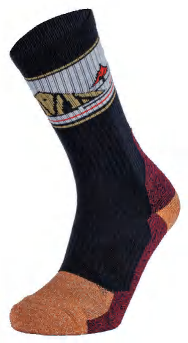
With each stride, the fabric beneath your feet tells a story of meticulous engineering. It’s not just about softness—specialized weaves and treatments have been developed to actively respond to your motion, absorbing shock in the heel and rebounding with energy at the toe. The result is a surface that feels alive, cushioning you on impact and propelling you forward without a second thought.
Breathability has been redefined as well. Tiny, precision-placed perforations allow air to circulate exactly where your foot generates the most heat, while moisture-wicking channels pull sweat away instantly. You stay dry and cool, even when pushing through the final miles of a long run. This isn’t a passive material—it’s a dynamic partner, adapting to the movement of your foot in ways that can only be truly appreciated when you’re in motion.
Beyond function, the sensory experience has been elevated. Subtle textures and barely-there seams wrap your foot without intrusion, creating a second-skin sensation that minimizes distraction. It’s the kind of comfort that registers on an almost subconscious level, allowing you to focus solely on the path ahead rather than what’s on your feet.
How We Turn Trail Feedback into Design Gold
Every piece of feedback we receive from the trail is a raw, unfiltered glimpse into the real-world experience. Instead of letting those insights gather dust in a spreadsheet, we treat each comment, complaint, and suggestion as a clue. Our team digs into the why behind the words—what’s actually causing that frustration or delight on the ground.
We then map those clues directly onto design decisions. It’s not just about fixing what’s broken; it’s about amplifying what’s already working in ways users may not even realize they need. Small tweaks in pacing, material choices, or visual landmarks often come from a single, well-observed moment in the field.
The result isn’t a patchwork of reactive fixes. It’s an evolving, living design language that grows sharper with every outing. The trail teaches us, and we listen—turning quiet observations into features that feel inevitable once you experience them.
Beyond the Threads: A Story of Craftsmanship
In a quiet workshop where time seems to pause, the artisan’s hands move with a rhythm born of decades. Each stitch, each weave, carries a whispered conversation between maker and material. Cotton speaks of sun-drenched fields; linen tells of flax rippling in coastal winds. The loom becomes an extension of thought, translating raw thread into texture that holds memory. This is not mere construction—it’s a dialogue with the past, with hands that learned from hands before them.
Every finished piece is a quiet rebellion against a world obsessed with speed. The slight irregularity in a seam, the faint trace of a needle’s path—these are not flaws but fingerprints of presence. Where machines vomit uniformity, craftsmanship offers the warmth of the human: a story that can be touched. Beyond the threads lies something unrepeatable, a moment captured in fiber that will never exist again.
Custom Fit, Zero Compromises
Every detail of our fit is engineered for those who refuse to settle. Whether it’s the taper of a sleeve or the drape of a hem, each measurement is calibrated to move with you, not against you. The result is a silhouette that feels like it was drafted just for your frame—because it was.
We reject the idea that precision means rigidity. Our designs incorporate subtle flex zones and smart seam placements that maintain a crisp tailored look while letting you breathe, stretch, and live your day without constantly adjusting. You won’t find any awkward pulls or sagging—just a flawless line from shoulder to cuff.
This isn’t about generic sizing charts or one-size-fits-most promises. It’s about honoring the nuances of real bodies. From the first trial fitting to the final stitch, the mantra stays the same: if it isn’t perfectly you, it’s not done. No shortcuts, no gimmicks—just the kind of fit that makes you forget the clothes exist.
Sustainability Woven into Every Fiber
From the very start, we chose a different path—one where every thread carries a promise. Our materials are sourced with care, favoring organic, recycled, and responsibly harvested fibers that require less water and fewer chemicals. This isn't a box we tick; it's the foundation of how we create, ensuring that each piece feels as good in its making as it does against your skin.
The artistry happens when these raw materials meet mindful production. We partner with mills that run on renewable energy and use closed-loop systems, drastically cutting waste and emissions. Even the dyes are botanical or low-impact, so nothing harmful leaches into waterways. The result is a fabric that breathes quality and conscience in equal measure, with a texture and drape that reveal the care woven in.
But sustainability isn't just about how something is made—it's about how it lives with you. These fibers are built to last, resisting pilling and fading so your garment ages gracefully. And when the time eventually comes, the fabric is designed to biodegrade or be repurposed, completing a cycle that honors the planet from start to finish.
FAQ
Instead of just following standard designs, they obsess over every stitch and fiber. Their team includes hikers who test prototypes on real trails, so adjustments come from lived experience, not just lab data.
It's a layered approach: strategic cushioning zones that absorb impact without bulk, seamless toe closures to prevent blisters, and moisture-wicking merino blends that keep feet dry mile after mile.
Absolutely. Whether you need subtle logos knit into the cuff or a repeat pattern down the leg, they handle low MOQs and use direct digital knitting that keeps details crisp without compromising feel.
A heavy preference for superfine merino wool—it's naturally antimicrobial and temperature-regulating. They blend it with reinforced nylon in high-wear areas and just enough elastane so the sock never slouches.
They use 3D mapping data to engineer left and right-specific fits, along with graduated compression zones. It's not a one-size-fits-all stretch; the arch and heel cup are truly sculpted.
Beyond standard abrasion tests, they hand pairs to Pacific Crest Trail thru-hikers and weekend scramblers alike. Feedback on blister points, drying time, and odor resistance feeds directly into revisions.
They design across a full thermal range. You'll find ultralight mesh versions for desert canyons, midweight cushions for spring treks, and thick expedition weights that won't overheat because the merino breathes so well.
By owning the knitting floor and trimming middlemen, they reinvest those savings into better yarns. The result is a sock that outlasts generic pairs several times over, so the cost per mile is surprisingly low.
Conclusion
Every trail tests your limits, but the right socks can make the difference between agony and euphoria. As the best hiking socks manufacturer, we start by dissecting the anatomy of a perfect sock—targeted cushioning zones, seamless toe closures, and arch support that cradles your foot stride after stride. Our fabric innovations go beyond technical specs; we blend merino wool with high-tenacity fibers to create a second-skin feel that wicks moisture, regulates temperature, and fights odor naturally. Every step is backed by a material science that turns hours of discomfort into forgotten memories.
Yet, what truly sets us apart is how we listen. Harsh trail feedback fuels our design process, transforming raw hiker insights into enhancements like reinforced heel pockets and anti-slip cuffs. This isn’t just manufacturing—it’s a story of craftsmanship, where skilled hands oversee each stitch, ensuring a custom fit without compromises. And because the trail is our shared home, sustainability is woven into every fiber, from recycled yarns to low-impact dyeing. The result? Socks that feel like an extension of you, built to roam, respect, and endure.
Contact Us
Contact Person: Ryan Li
Email: [email protected]
Tel/WhatsApp: +86 13757342500
Website: https://www.fulisocks.com/