

Best OEM Suppliers for Ground Mount Solar Systems You Can Trust
2026-08-22
Finding a ground mount solar system OEM you can actually rely on is harder than it sounds. Many suppliers promise durability, but few back it up with the engineering depth needed for large-scale installations. This guide cuts through the noise and highlights the manufacturers that have earned real trust in the field. One name that consistently appears is Topfencesolar, known for robust racking solutions and responsive customization. Read on to learn what separates the best from the rest—and which partners deserve your project.
What Separates a Real Manufacturing Partner from a Parts Assembler
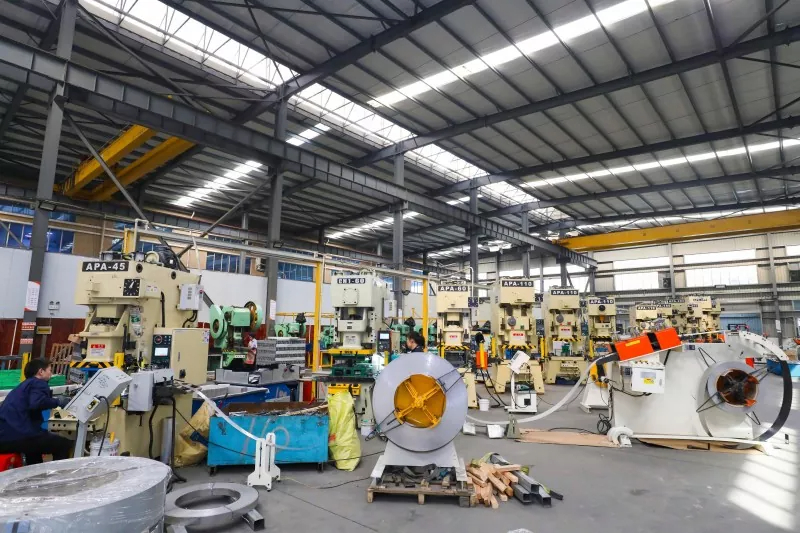
A parts assembler follows prints and ships boxes. A manufacturing partner asks why the part exists, what stress it sees in the field, and whether a radius change could cut tooling wear without affecting performance. That difference shows up early: in design reviews where a partner flags a tolerance stack-up before prototypes are cut, while an assembler waits until parts fail inspection to ask for a deviation. The partner's value isn't just making parts; it's making the product easier to build, test, and service.
Then there's the less glamorous side: material traceability, process control, and honest lead times. An assembler might quote a date based on machine availability alone. A partner accounts for supplier lot variations, fixture setup, first-article approvals, and the unavoidable hiccup when a plating vendor changes their process mid-run. When problems surface, the assembler sends an email with photos and asks what you want to do. The partner sends data, root-cause analysis, and two options already vetted for cost and schedule impact. That's the difference between buying labor hours and buying manufacturing judgment.
How to Spot a Ground Mount That Will Struggle in High Wind
Look closely at the base design first. A ground mount that relies on a single row of small concrete footings or thin steel stakes driven only a couple of feet into soft soil won't hold up when gusts start pulling upward. If the posts aren't set deep enough to reach below the frost line or into stable subsoil, the whole array can start working like a lever, rocking back and forth until the panels twist or the anchors pull free. Pay attention to the spacing too. Posts spaced too far apart with long spans between them create natural flex points, and flex under repeated loading eventually leads to metal fatigue near the bolts and welds.
Next, check how the rails and panel clamps are fastened. High wind doesn't push evenly across the surface. It creates sudden uplift, sideways shear, and swirling vortices that tug at the edges and corners. If the mounting rails are undersized for the panel dimensions, or the clamps grip only the very edge of the frame with a single bolt per attachment point, you're looking at a structure that will start rattling in moderate wind and could throw a panel in a storm. Look for missing cross-bracing between rows or a lack of diagonal supports in the rear legs. A simple A-frame without triangulation might look fine on a calm day, but once the wind shifts to hit the back side, those rear legs can buckle outward.
Finally, consider the actual terrain and exposure. A ground mount placed on a hilltop, open plain, or between two buildings that create a wind tunnel effect will see far higher localized wind speeds than the regional average. If the same design was sold as "one size fits all" without any adjustment for soil type, slope, or wind zone, that's a red flag. Walk around the structure and push hard on a top corner. If you can see or feel any movement, or hear a creak that sounds like metal sliding against metal, the wind will find that weakness much faster than you think. A properly engineered high-wind mount should feel rigid and silent when you test it by hand.
The Hidden Trade-offs Behind Custom Racking Quotes
When you line up quotes for custom racking, the numbers on the page rarely tell the whole story. One supplier might quote a lower base price but leave out the cost of anchor bolts, shims, or floor leveling for an uneven slab. Another will include all hardware but assume your team handles tricky column positioning around existing sprinkler lines. These quiet omissions are where the real difference hides, and they surface only after the deposit is paid.
Lead times carry similar weight. A fabricator who promises a faster turnaround may be using lighter gauge steel or skipping a powder-coat step to hit the date. That can mean more deflection under load or faster wear in high-traffic aisles. Meanwhile, a slightly longer wait often buys better bracing details, welded frame connectors, and a finish that survives forklift impacts. The trade-off isn't always obvious on a spreadsheet.
Then there's the engineering review. Some quotes bundle stamped drawings and load calculations; others treat them as an add-on once the order is placed. If your local jurisdiction needs those documents for a permit, the "cheaper" quote can suddenly require another week and an extra fee. Asking each vendor to list what is excluded—not just what is included—will reveal the true cost before you commit.
Why Some Solar OEMs Keep Delivering Late While Others Don't
On-time solar OEMs treat component sourcing as a hard deadline, not a wish. They sign multi-year contracts for polysilicon, glass, and junction boxes, and they keep a second qualified supplier in a different region for every critical input. That way a port strike or a furnace shutdown in one country doesn't turn into a six-week delay. They also hold buffer stock of the most common modules—usually 40 to 60 days' worth—so a sudden spike in orders doesn't force them to push existing commitments.
Line flexibility is the silent killer. OEMs that consistently miss dates run factories at 98% utilization on single-purpose lines, so even a four-hour motor failure resets the whole schedule. The reliable ones keep 10-15% of capacity idle or use mixed-model lines that can switch from 410W to 580W panels in under a shift. That slack absorbs rush orders and equipment hiccups without cascading into every customer's delivery.
Finally, it's about honesty at the quote stage. A dependable OEM will quote 35 days because they checked current glass inventory and line allocation; a late one quotes 21 days to win the PO and then blames the shipping crisis. You can tell the difference in the first two weeks: the good ones send unrequested photos of your pallets being built, packing lists, and a vessel booking confirmation. The bad ones go quiet and reply only when you chase.
A Closer Look at the Welds Most Inspectors Never See
Plenty of weld inspections start and end with what the eye can reach. But some of the welds that hold a structure together are buried behind panels, tucked inside pipe runs, or buried under insulation before an inspector ever gets a chance to look. These hidden joints rarely get the same attention as the visible ones, and that's exactly where trouble tends to start. A root pass inside a socket weld, a closure weld on a pressure vessel, or a fillet buried in a column splice can hide lack of fusion or porosity that nobody will catch from the outside.
When visual access is impossible, the only way to see these welds is through techniques that most routine inspections skip. Phased array ultrasonic testing can map what's happening through several inches of steel, while digital radiography can reveal internal flaws without cutting anything open. The challenge isn't just having the equipment—it's knowing which welds actually need that level of scrutiny. Too often, the "unseen" welds are assumed to be fine because they haven't failed yet, which is not an inspection strategy.
The difference between a weld that gets inspected and one that gets forgotten usually comes down to planning. If the inspection sequence isn't defined before welding begins, access holes get closed up, insulation goes on, and suddenly a critical joint is untouchable. Smart fabricators and owners now insist on inspection points being identified on drawings long before the first arc is struck. That way, the welds nobody sees during normal walkdowns are still the welds somebody actually checks.
Six Questions That Reveal Whether a Supplier Can Scale With You
Most sourcing teams only ask about price, lead time, and defect rates. But if you're planning to double or triple volume over the next two years, those basics won't tell you whether a supplier can grow with you. Start by asking how they handled their last major capacity jump. Did they add a shift, lease new space, or quietly push your order behind another customer's? The answer reveals whether scaling is part of their operating rhythm or an afterthought.
Next, probe the less obvious constraints. Who owns the tooling, and what happens if you need a second production line? Can their tier-two suppliers absorb a 40 percent increase in raw material demand without stretching lead times? A supplier that hesitates on these questions—or gives you a salesperson's reassurance without specifics—is likely already running near their ceiling. Look for ones who talk about floor layout, machine utilization, and hiring plans as comfortably as they talk about unit cost.
Finally, watch how they behave under pressure. Ask about a time a customer asked for more than originally forecast. Did the supplier push back with data, propose a phased ramp-up, or simply say yes and hope for the best? The right partner will challenge your assumptions when needed and show you exactly where the bottlenecks will appear as you scale. That honesty is worth more than any polished capability statement.
FAQ
Focus on their track record with large scale projects, material sourcing, and whether they offer in house engineering support. A reliable partner will share load test data and corrosion resistance details without being asked.
They often are, because they allow for better airflow and easier access for maintenance. You can also optimize tilt angle and orientation, which extends the lifespan of the structure and improves energy yield.
Yes, many do. Look for suppliers who ask about soil type, wind zone, and snow load upfront. Those with real engineering teams will propose changes to pile depth, beam spacing, or bracing instead of offering one fixed design.
At minimum, expect ISO 9001 for quality management and relevant structural standards like UL 3703 or IEC 62817 if applicable. Ask for test reports on galvanization thickness and fatigue performance.
Request a video walkthrough of their production line showing welding, cutting, and coating processes. Ask for recent inspection reports from third party auditors and references from clients in your region.
It varies by complexity, but expect four to eight weeks for standard customizations after design approval. Suppliers with in house galvanizing or coating lines can often shorten this.
Conclusion
Finding a ground mount supplier you can actually trust starts with separating genuine manufacturing partners from parts assemblers. The best OEMs control their own steel processing, welding, and coating lines, so they're not guessing on lead times or hiding behind another factory's schedule. You can spot a rack that will struggle in high wind long before it fails: thin post walls, undersized gussets, and bolt patterns that rely on friction instead of positive connection. Custom racking quotes look attractive until you read the fine print—non-standard hole spacing, odd purlin lengths, or special coatings often create procurement headaches and add weeks without improving performance. More often than not, a well-engineered standard product beats a custom design that hasn't been through the same field validation.
Late deliveries usually trace back to weak raw material planning or overloaded third-party fabricators, not bad luck. Top OEMs keep buffer stock of common sections and run redundant production lines, so one equipment failure doesn't stall your whole project. Look closely at the welds most inspectors never see—inside tube-to-plate joints or around base collars—because that's where corrosion and fatigue start. A trustworthy supplier shows you those welds without hesitation and walks you through their QC sampling. Before signing, press them on monthly capacity for your exact rack configuration, who audits their galvanizing, and whether they can share references from projects with similar soil and wind conditions. Ask what happens if you need to accelerate mid-build, how they handle field issues, and what reorder lead times actually look like. The answers reveal whether they can scale with you or just survive a single order.
Contact Us
Contact Person: Nancy
Email: [email protected]
Tel/WhatsApp: +86-13365923720
Website: https://www.topfencesolar.com/