

Concrete Admixture Manufacturer: How to Choose the Right Partner for Your Next Construction Project
2026-08-20
You can’t see them in the blueprints, but concrete admixtures dictate whether your slab cures with the strength you promised—or becomes tomorrow’s expensive headache. The problem? Most manufacturers sell you a bucket of chemicals and disappear. HAISEN takes a different route, pairing lab-grade consistency with field-level support that actually shows up. Before you lock in your next supplier, here’s how to separate a true partner from a transactional vendor.
When Your Mix Design Demands More Than Off-the-Shelf Solutions
Standard mix designs work fine until they don't. The moment a project pushes beyond typical slump requirements, exposes concrete to aggressive chemicals, or demands a finish that off-the-shelf blends simply can't deliver, you're left with two choices: compromise the spec or start from scratch. Most turn to the nearest catalog, hoping a minor tweak will bridge the gap. It rarely does.
Custom mix design isn't about adding an extra admixture and calling it a day. It means reverse-engineering the performance envelope—pore structure for freeze-thaw resistance, particle packing for early strength without shrinkage cracking, or rheology that holds a vertical placement without segregation. These are not checkboxes on a datasheet; they are measurable behaviors that only emerge when cement, aggregate, and chemistry are balanced against a very specific set of site conditions.
When the placeholder formula fails, you need a partner who treats the mix as a living system, not a recipe. One who asks about pour temperature, haul time, finishing window, and exposure class before ever touching a batch ticket. That level of attention separates a functional pour from a durable asset—and it's exactly what your project demands when the usual solutions fall short.
The Chemistry Behind Consistent Batches and Fewer Callbacks
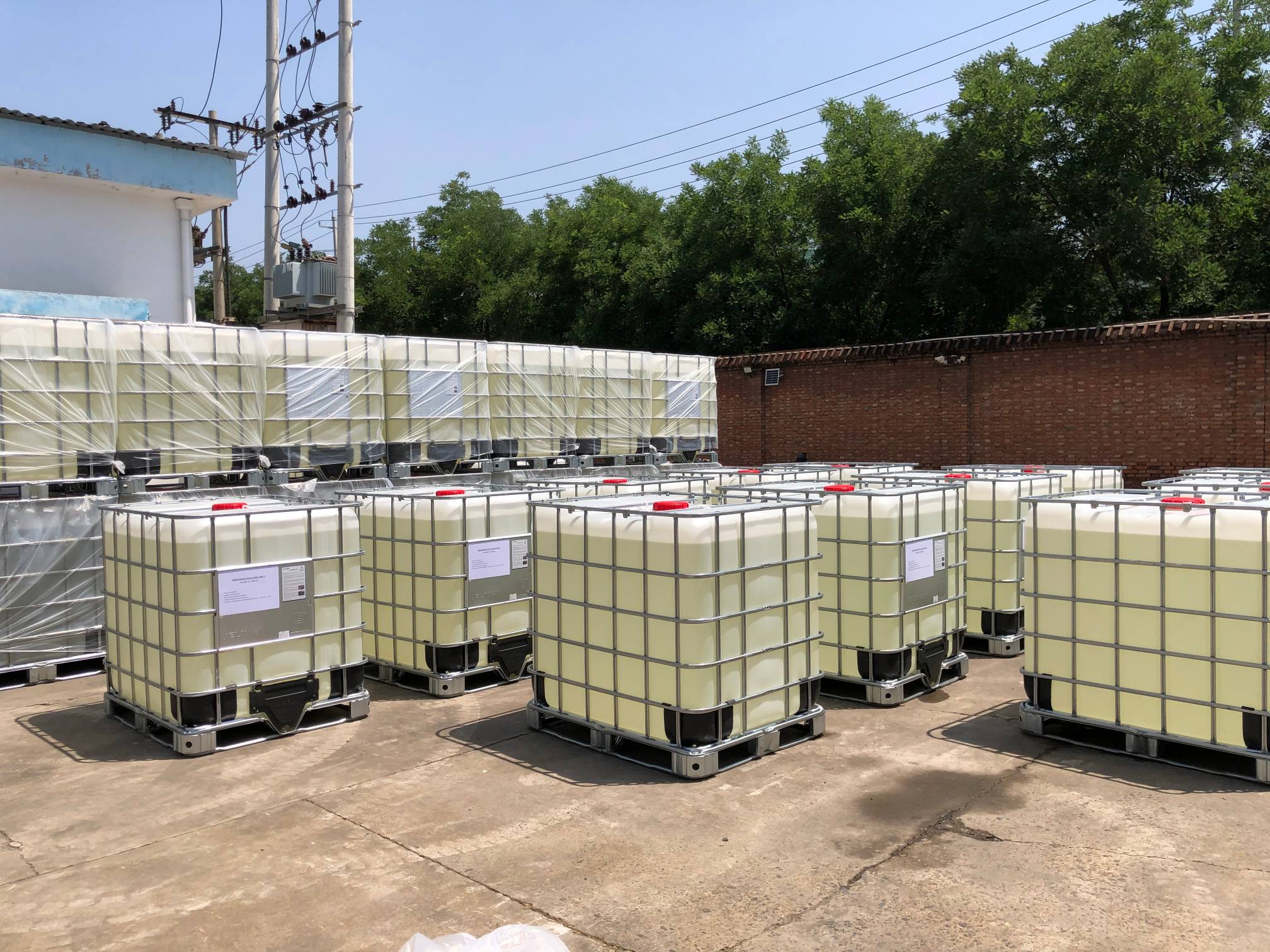
A reliable pour starts long before the truck arrives. The mix design is a living formula, adjusted for aggregate moisture, ambient temperature, and even the subtle shifts in cement fineness from one silo to the next. When those variables are locked down with daily calibration and real-time slump monitoring, the batch plant stops guessing. Water-cement ratios hold steady, and the concrete that reaches the forms behaves the same way at 7 a.m. as it does at 4 p.m.
That repeatability is what keeps the finishers from flagging a load. Most callbacks trace back to small inconsistencies: a touch too much water to hit a slump target, a load that sat five minutes too long, or an admixture dose that drifted because the weather shifted. By treating each batch as a data point rather than a fresh start, crews can spot drift early and correct it before it becomes a placement problem.
The payoff is fewer surprises on site. The concrete sets at the expected rate, the finish comes off clean, and the strength gain follows the curve engineers actually specified. It’s not magic, just the quiet discipline of controlling the chemistry before it controls the pour.
Questions to Ask Before You Sign a Supply Agreement
Before signing, pin down the exact obligations tied to delivery schedules, volume commitments, and quality benchmarks. A supplier may promise flexibility in conversation, but the written terms often lock you into minimum purchase quantities or delay penalties that surface only when business slows. Ask for a side-by-side summary of what happens if you need to reduce orders by 20 percent, switch specifications mid-year, or request a rush shipment.
Payment terms deserve a hard look beyond the headline price. Clarify when title to goods transfers, which party covers freight and insurance, and whether the supplier can raise prices after a set period or due to raw material changes. Request examples of invoices from existing clients to spot hidden charges like pallet fees, fuel surcharges, or restocking costs that won't appear in the main quote.
Exit and liability clauses often get skimmed, but they determine your risk if something goes wrong. Confirm the notice period for termination, whether either side can walk away for convenience, and how disputes over defective goods or late deliveries will be resolved. Make sure the agreement states an explicit cap on your liability and outlines the process for returns, replacements, or credits before you sign.
Why Local Support Matters More Than a Big Brand Name
When something breaks or a service goes down, the last thing you want is a scripted call center half a world away. Local support means the person on the other end knows your road conditions, your weather quirks, and the names of the shops down the street. They don't just troubleshoot a product—they understand the life around it. That kind of context turns a frustrating problem into a five-minute fix, because they've seen the same issue three times this week from your neighbors.
A big brand name can feel like a safety net until you actually need to reach someone. Then it's a maze of menus, hold music, and ticket numbers. Local support teams, by contrast, often rely on their reputation in the community. If they mess up, they hear about it at the grocery store. That accountability pushes them to go beyond the script—calling back after hours, lending a temporary replacement, or walking you through a workaround that isn't in any manual. You're not a case number; you're a face they recognize.
There's also the ripple effect of choosing local expertise. The money stays in your area, supporting jobs, training, and faster response times for everyone. Over time, that creates a network of people who actually know your systems and your history. A nationwide brand might offer a shiny guarantee, but a local provider offers something harder to replicate: a relationship built on showing up, not just showing a logo.
Reading Between the Lines of a Technical Data Sheet
A technical data sheet rarely tells the whole story at first glance. Those tidy rows of numbers often hide the conditions under which they were measured. A “typical” value might look reassuring, but it can shift noticeably once temperature, supply voltage, or load changes. The fine print and footnotes matter just as much as the headline specs.
Dig into the test conditions and you'll start to see where the real limitations lie. A bandwidth figure may only hold at a specific gain; an output current rating might be a short-term peak rather than a continuous level. Cross-checking the graphs against the tables often reveals behavior that a single number can't capture.
Comparing parts from different vendors adds another layer of complexity because not everyone measures the same way. One manufacturer's noise rating could be RMS while another uses peak-to-peak. One might specify a parameter at 25°C, while another stretches to 85°C. Reading between the lines means reconstructing the test setup and deciding what the numbers actually mean for your design.
From Trial Batches to Full-Scale Pour: What Actually Changes
When you move from a trial batch to a full-scale pour, the mix design on paper often stays identical. What actually changes is everything around it: the aggregate moisture content swings by the hour, the admixture dosage drifts with pump speed, and the concrete sits in a truck for forty-five minutes instead of being cast straight from the mixer. In a lab trial, you control temperature to the degree and weigh water to the gram. On site, the batch plant is chasing production targets, and the water added at the plant rarely matches what was assumed in the trial. This is why some engineers find that a mix that tested perfectly at 20°C in a bucket falls apart at 32°C in a wall pour.
The physical boundaries also shift in ways that don't show up in a six-inch cylinder. A full-depth wall or slab exerts hydrostatic pressure on the formwork that a trial mold never sees, and that pressure can change the surface finish and even the effective water-cement ratio at the bottom of the lift. Pumping adds shear that can alter the air-void system, especially in freeze-thaw environments. Heat of hydration stops being a theoretical curve and becomes a real-time risk: in a thick footing, the core can run 20°C hotter than the edges, creating thermal gradients that crack the very concrete you just validated in the lab. If you don't adjust the set time or use chilled water, the trial's 28-day strength number becomes almost meaningless for the actual structure.
Then there's the coordination layer, which no trial can simulate. A lab batch needs one technician with a stopwatch. A full-scale pour needs a fleet of trucks, a pump operator, a vibrator crew, and someone watching the weather radar. The gap between 'we tested this mix' and 'we placed 600 cubic yards without a cold joint' is filled with decisions made in minutes: when to slow the pour, where to add a relief joint, how hard to push the vibrator near congested rebar. Trial batches tell you whether the recipe works in isolation. Full-scale pours tell you whether your team can execute that recipe while the batch plant runs out of sand, the pump clogs, and the afternoon shift doesn't know the slump target. That's the real change — and it's rarely captured in a mix design report.
FAQ
Look beyond the product spec sheet. Ask about their raw material sourcing, batch-to-batch consistency testing, and whether they have in-house labs that simulate real job-site conditions. A manufacturer that only touts compliance certificates but can't explain how they handle temperature swings or local cement chemistry won't be much help when a pour goes sideways.
Call them with a specific problem, like slump loss in hot weather or delayed setting with a fly ash mix. See if they ask about your aggregate moisture, mixer type, and delivery time before recommending anything. Real support means they treat your concrete as a system, not just a chance to push their latest high-range water reducer.
Often the difference is in active ingredient concentration, not just volume. A cheaper polycarboxylate might be diluted or use lower-grade monomers, so you end up dosing more and still fighting variability. Ask for a cost-per-cubic-meter comparison based on actual trial mixes, not price per liter. Also check if the low bid includes on-site troubleshooting or if that's an extra line item.
Don't just ask if they can handle 50,000 gallons a month. Ask what happens when two of their largest clients order at the same time and your project needs a custom retarding admixture in three days. Request a written escalation process for urgent orders and names of people who can authorize overtime production. If they hesitate to share that, your schedule is at risk.
Very important, but verify the experience instead of trusting a project list. Ask for case studies where they adjusted a mix design due to local aggregate absorption or high ambient temperatures. A manufacturer that has supplied SCC for bridge decks in Arizona understands different challenges than one that only works with interior floor slabs in mild climates.
Ask for their internal rejection rate and what they do with off-spec batches. Do they rework or dispose of them? Request a sample retention policy and whether they can trace every drum back to its raw material lot. Also find out if their QC team runs compatibility tests with your cement and supplementary cementitious materials before you commit, not after the first truck shows up on site.
Yes, and often they're more responsive because you're a significant part of their business rather than a line item. But you need to verify their backup plans: do they have a second production facility or a toll blending agreement if their main plant goes down? Ask for references from projects similar to yours that ran in the last twelve months, and call them to ask about delivery consistency and how problems were resolved.
Start with a single mix design and one project segment, not your whole pour schedule. Define success metrics upfront: slump retention over 60 minutes, set time within 30 minutes of baseline, air void stability, and 28-day strength within 5% of your current mix. Have both manufacturers run parallel trials using the same aggregates and cement, then compare not just the test results but also how quickly each one adjusted their dosage or blend when issues came up. A partner who iterates fast during trials is worth more than a perfect initial recipe.
Conclusion
Choosing a concrete admixture supplier rarely comes down to price alone. Most mix designs that demand more than off-the-shelf solutions end up exposing the limits of generic products, and that's where a manufacturer's technical depth matters. You need someone who understands the chemistry behind consistent batches—how slump retention, set time, and air content drift when raw materials change—so you're not chasing callbacks after every pour. A good partner will walk you through their data sheets honestly, pointing out what the numbers don't show, and they'll ask about your local materials before recommending anything.
Before signing a supply agreement, push for specifics: how do they handle trial batches, and what actually changes when you scale to full pours? Local support often beats a big brand name because a nearby rep can show up at the batch plant when something looks off. Ask hard questions about their quality control, their response time, and whether they'll stand behind performance after delivery. The right manufacturer treats your project as more than a sales order—they want your concrete to work as badly as you do.
Contact Us
Contact Person: Sam Lee
Email: [email protected]
Tel/WhatsApp: 86-311-6617 8338
Website: https://www.horizonadmixtures.com/