

Custom Low Voltage Switchgear: Tailored Solutions for Modern Power Distribution
2026-08-05
Ever wondered why standard low voltage switchgear often falls short in today’s fast-evolving power landscapes? At Deepwill, we see tailored solutions as the key—custom designs that fit your exact operational demands, not the other way around. From compact footprints to smart monitoring, our bespoke switchgear bridges the gap between standard and exceptional. Curious about what sets a truly custom approach apart? Let’s break it down.
Meeting Unique Power Needs with Bespoke Low Voltage Switchgear
Every facility carries its own electrical fingerprint, shaped by equipment demands, spatial constraints, and operational rhythms. Off-the-shelf switchgear often forces compromises—accepting a layout that wastes precious floor space, or a protection scheme that leaves critical loads vulnerable. Bespoke low voltage switchgear flips this script, treating your power distribution as a unique system rather than a generic template. It begins with a deep dive into your actual needs: the starting currents that stress your busbars, the environmental conditions that degrade standard insulation, and the future expansions already sketched on your master plan. This forensic approach ensures the final design isn’t just adequate—it’s intimately aligned with how your facility breathes electrically.
The real art lies in translating these operational insights into physical form. Custom switchgear can incorporate specialized busbar bracing to handle high fault levels without bulking up the entire lineup, or integrate arc-resistant features only where personnel safety demands them most. Intelligent compartmentalization separates noisy, heat-generating components from sensitive monitoring electronics, maintaining signal integrity and longevity. We’ve even built units with integrated lighting and maintenance platforms for installations in cramped basements where carrying a flashlight is a daily frustration. Every termination point, every cable entry, and every ventilation louver reflects a conscious decision tied to your reality, not a catalog number.
This tailoring extends beyond the hardware into protection and communication logic. Relays can be parametrized with curves that mirror your specific load profiles, avoiding nuisance tripping while maintaining tight selectivity. Communication gateways speak the protocols already alive in your building management system, creating a seamless data stream without translation boxes that clutter panel walls. The result is a switchgear that doesn’t just fit your electrical parameters—it fits your maintenance team’s workflow, your operational philosophy, and your long-term vision. In a world where electrical safety and reliability leave no room for approximation, a truly custom solution becomes the most pragmatic choice.
How Custom Configurations Enhance Safety and Reliability
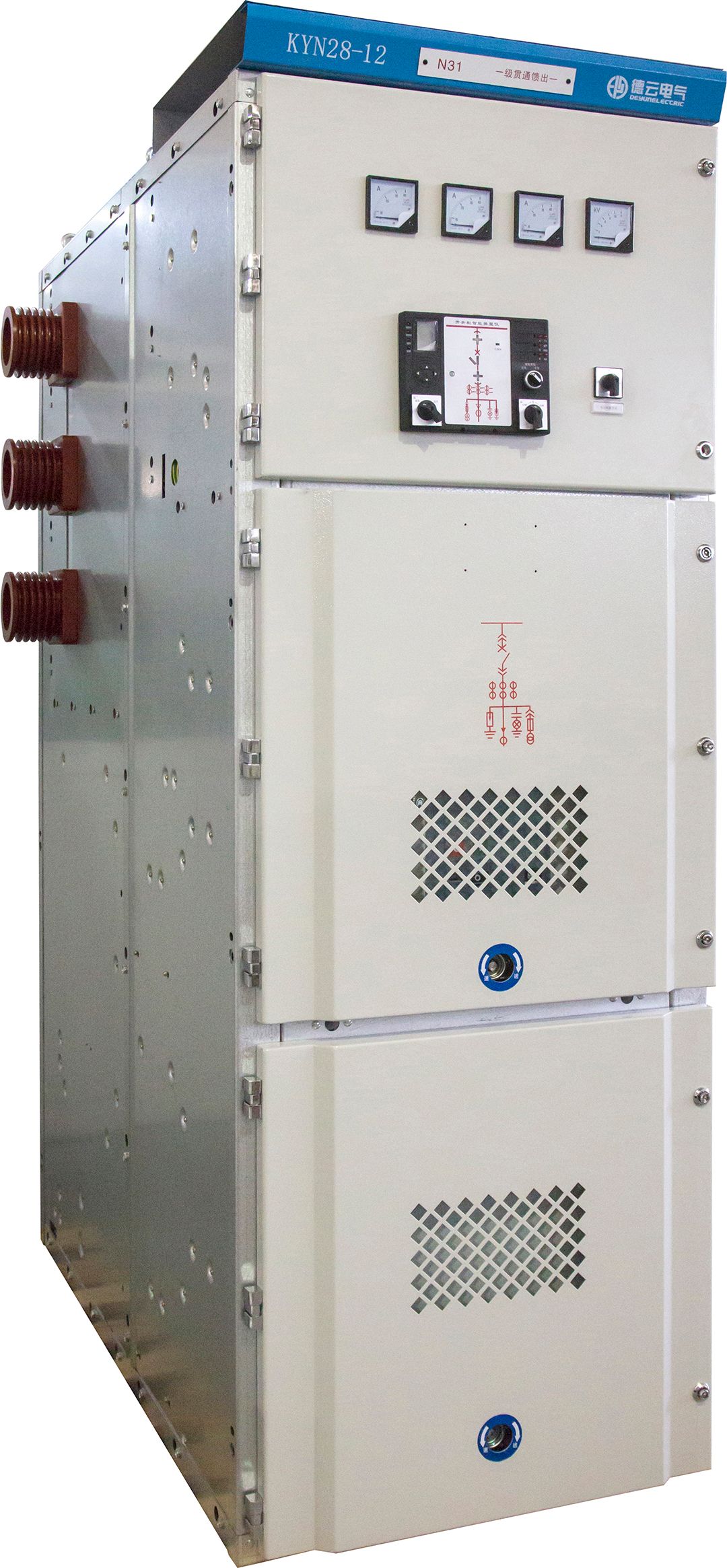
Custom configurations let you adapt equipment precisely to your operational environment, which directly reduces unexpected failures. For instance, specifying corrosion-resistant materials for coastal installations or reinforced housings for high-vibration settings prevents the kind of generic wear that leads to downtime. This tailoring ensures that every component is fit for its actual context, not just a lab scenario.
Beyond physical adaptations, parameter adjustments—like tweaking cutoff thresholds or response timings—align machine behavior with real-world demands. A pump that knows to slow down under partial load, or a safety interlock timed to your process cadence, avoids stress points that feel arbitrary. These refinements make safety interlocks feel intuitive rather than intrusive, building operator trust.
The result is reliability that comes from experience, not theory. When configurations are shaped by site-specific data and recurring failure patterns, you build memory into the system itself. It’s the difference between a one-size-fits-all check list and a living design that evolves with your risks—keeping both your people and your production line safe in ways stock options never could.
Space-Saving Designs for Modern Electrical Infrastructures
Urban growth and the push toward denser cityscapes have forced a rethink of how electrical systems occupy physical space. Floor-mounted switchgear and sprawling cable trays no longer fit the blueprint. Instead, designers are turning to vertical stacking, wall-recessed panels, and busbar trunking that hugs ceilings or runs through narrow service shafts. The shift isn’t just about shrinking footprints—it’s about embedding power distribution into the skeleton of a building without stealing usable square footage.
Component manufacturers now integrate multiple functions into single enclosures, blurring the line between protection, metering, and communication. Solid-state transformers and compact modular drives replace rooms of copper and iron with units that can be mounted in corridors or even outdoors beneath weatherproof cowls. Digital twins and predictive maintenance further cut the need for bulky backup redundancy, because systems self-monitor and schedule replacements before failures happen, allowing leaner, almost invisible electrical backbones that still meet demanding uptime requirements.
Adapting to Industry-Specific Power Demands
Every industry comes with its own set of power requirements, shaped by operational rhythms, equipment sensitivity, and regulatory frameworks. A manufacturing plant may grapple with high inrush currents from heavy machinery, while a data center demands unwavering uptime and clean, conditioned power to protect servers from micro-outages. Recognizing these distinctions is the first step toward designing electrical infrastructure that not only meets but anticipates demand.
Tackling industry-specific challenges means moving beyond one-size-fits-all solutions. For healthcare facilities, redundant power feeds and seamless transfer switches are non-negotiable to safeguard life-support systems. In contrast, agricultural operations often prioritize energy-efficient motors and load scheduling to trim costs during peak tariff periods. Custom engineering—be it through harmonic filtering, voltage optimization, or backup power configurations—ensures that every sector operates reliably within its unique electrical landscape.
The evolution toward smarter grids and edge computing has further blurred the line between power supply and data analytics. Today, real-time monitoring systems can predict load surges in a refrigerated warehouse or automatically stagger motor starts in a processing line, reducing strain on transformers. By embracing these adaptive technologies, businesses not only stabilize their own operations but also contribute to a more resilient regional grid—turning power demands from a vulnerability into a strategic advantage.
Streamlining Maintenance Through Tailored Access and Layout
When equipment is easy to reach and logically arranged, routine checkups and repairs become far less disruptive. Tailored access means designing workspaces and maintenance points so that technicians can get to critical components without dismantling surrounding structures or navigating awkward spaces. This foresight slashes the time spent on each task and minimizes the risk of errors during reassembly.
A well-planned layout doesn’t just make individual tasks quicker—it changes how teams approach overall upkeep. By grouping frequently serviced elements together and placing them at comfortable working heights, facilities encourage more consistent and thorough inspections. Over time, this proactive stance reduces unexpected breakdowns and extends the lifespan of machinery.
Beyond the physical arrangement, tailored solutions also account for the specific tools and movement patterns of the people performing the work. Incorporating features like quick-release panels, dedicated walkways, and localized storage for essential tools turns maintenance from a chore into a streamlined process. The result is a safer, more efficient environment where keeping things running smoothly feels almost intuitive.
Future-Ready Systems That Grow with Your Operation
Scalability isn’t just about handling more volume—it’s about adapting without costly overhauls. Our modular architecture lets you add capabilities incrementally, whether you’re expanding to new locations or integrating additional workflows. Each component is built to plug into your existing setup, preserving your initial investment while unlocking new possibilities.
We’ve shunned rigid, one-size-fits-all designs in favor of frameworks that evolve alongside your strategic goals. Need to ramp up for a seasonal surge? Adjust resource allocations on the fly. Launching a new product line? Enable the relevant features without touching the rest of your stack. This elasticity ensures you’re not paying for idle capacity, yet you’ll never hit a ceiling as your ambitions grow.
Longevity comes from software that anticipates change. Our update cycles introduce enhancements without breaking core functionality, and backward compatibility is a promise, not an afterthought. It’s about building a foundation that feels bespoke today and stays relevant a decade from now—continuously refined by real-world use, not vendor whims.
FAQ
Custom low voltage switchgear refers to power distribution assemblies that are engineered and built to meet specific operational, spatial, or performance requirements, rather than being selected from pre-configured catalog options. The primary difference lies in flexibility: layouts can be adapted to fit constrained spaces, circuit configurations can match unique load profiles, and components like protective relays or busbars are chosen for exact fault ratings and coordination needs. In contrast, standard switchgear offers fixed designs that may force compromises in installation or future expansion.
Modern networks increasingly incorporate renewable sources, electric vehicle charging, and dynamic loads that conventional switchgear struggles to handle efficiently. Tailored systems allow for optimized power flow management, space-saving footprint, and integration of intelligent devices such as energy meters and communication gateways. They also support scalability—new feeders or functions can be added without major infrastructure changes, which is critical as facilities evolve toward smarter, more decentralized energy models.
Industries with demanding environments or unusual physical constraints see the greatest benefit. This includes data centers requiring high density and reliability, hospitals where uninterrupted power and harmonic filtering are critical, manufacturing plants with heavy motor loads and frequent reconfiguration needs, and commercial buildings aiming for energy efficiency and automation. Even marine and mining operations rely on customized designs to withstand vibration, corrosion, and extreme temperatures while maintaining compact footprints.
A thorough assessment starts with load analysis—identifying peak demands, motor starting currents, and harmonic contributions. Physical constraints like room dimensions, ventilation, and entry points directly shape the enclosure layout. Future growth expectations, environmental conditions (dust, humidity, altitude), and local compliance standards (IEC 61439, for example) must be factored in. Additionally, maintenance accessibility and grouping of critical versus non-critical circuits influence internal partitioning and component selection.
Embedded intelligent electronic devices bring real-time visibility into power quality, energy consumption, and equipment health. Sensors within the switchgear can track temperature, humidity, and partial discharge, sending alerts before failures occur. Communication protocols like Modbus or IEC 61850 allow seamless connection to building management or SCADA systems, enabling predictive maintenance and automated load shedding. This transforms the switchgear from a passive distribution node into an active asset that supports data-driven energy management.
Regular thermal imaging scans help detect loose connections or overloaded circuits before they escalate. Periodic cleaning of internal compartments and checking for dust ingress or corrosion is essential, especially in harsh environments. Mechanical components like breakers and disconnectors should be exercised periodically to prevent seizing. For smart-enabled systems, firmware updates and sensor calibration must follow manufacturers' schedules. Documenting all maintenance actions and performing annual insulation resistance tests further extends service life and reduces unexpected downtime.
Conclusion
In today's rapidly evolving electrical landscape, off-the-shelf switchgear often falls short of meeting the precise demands of complex power networks. Custom low voltage switchgear steps into this gap, delivering solutions engineered to align with unique operational requirements. Rather than forcing facilities to adapt to standard equipment, bespoke configurations allow every component—from busbar ratings to protective relays—to be specified for the actual load profile and fault levels. This meticulous tailoring not only closes performance gaps but also reinforces safety and reliability. By integrating advanced arc-resistant features, selective coordination, and robust isolation mechanisms directly into the design, custom switchgear dramatically reduces arc flash risks and minimizes unplanned outages. Furthermore, space constraints in modern electrical rooms and retrofits are addressed head-on through compact, modular layouts that optimize footprint without sacrificing accessibility or thermal management.
Beyond technical performance, these tailored systems adapt seamlessly to industry-specific demands, whether in data centers requiring high-density power distribution, water treatment plants coping with corrosive environments, or manufacturing lines with heavy motor loads. The configurability extends to maintenance workflows as well: strategically placed access doors, removable panels, and logically arranged cable compartments simplify inspections and speed up repairs, turning routine service into a swift, safe process. Crucially, custom switchgear is built with the future in mind. Scalable bus systems, spare breaker slots, and communication-ready components allow the installation to grow alongside the facility, accommodating new circuits or smart grid connectivity without a complete overhaul. By converging precise engineering with long-term flexibility, custom low voltage switchgear provides a future-resilient backbone for modern power distribution, ensuring that electrical infrastructure evolves in lockstep with business needs.
Contact Us
Contact Person: Julion
Email: [email protected]
Tel/WhatsApp: 8617351370631
Website: https://www.deyunelectric.com