

Effective Soil Stabilizer for Dust Control: A Complete Guide
2026-07-05
Dust is more than a nuisance—it's a hazard that wreaks havoc on roads, job sites, and lungs. Traditional methods like water trucks offer only fleeting relief, leaving you in a constant battle against wind and traffic. That's where advanced soil stabilization steps in, turning loose particles into a solid, dust-free surface that lasts. In this guide, we'll unpack how cutting-edge solutions, like those from MST, are changing the game. Ready to see how a simple treatment can save you time, money, and headaches? Let's dig in.
Why Dust Control Matters More Than You Think
Dust might seem like a minor nuisance—something you wipe off a shelf or wave away on a dry, windy day. But its presence often signals deeper problems, from irritating allergies and respiratory issues to accelerating wear on machinery. What many don't realize is that those fine particles can carry harmful substances, infiltrate your lungs, and even trigger long-term health conditions. It's not just a cleaning headache; it's a slow, invisible threat that demands attention before symptoms surface.
Beyond personal health, uncontrolled dust silently sabotages productivity and equipment lifespan. In workshops, factories, or even home offices, dust coats sensitive electronics, clogs filters, and degrades moving parts—leading to costly repairs and unexpected downtime. Think of it as an abrasive that never rests, gradually grinding down your investments. Effective dust control isn't just about tidiness; it's about preserving the performance and longevity of everything from power tools to HVAC systems.
There's also a subtler dimension: dust erodes comfort and mental clarity. A dusty environment feels unprofessional, chaotic, and demoralizing—whether it's a storefront, a studio, or your living space. It undermines the quality of your surroundings, making it harder to focus, relax, or make a good impression. Investing in proper dust management is a quiet act of stewardship for your health, your tools, and your peace of mind.
The Science Behind Soil Stabilizers
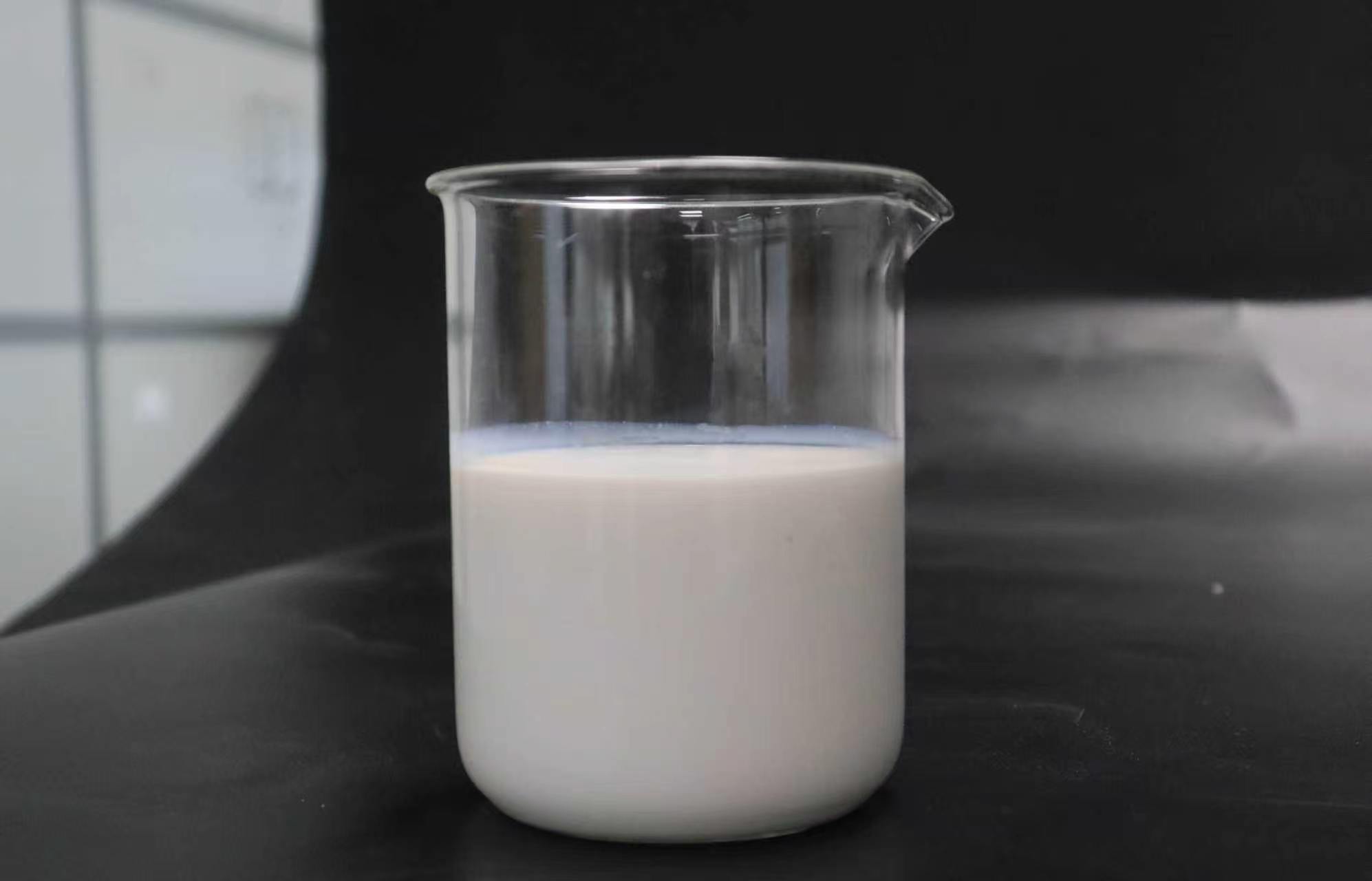
At its core, soil stabilization is a physico-chemical process that transforms loose, weak soil into a firmer, more durable material. This isn’t just about mixing in some binder and hoping for the best—it’s a precise interplay of particle surface charges, ion exchange, and cementitious reactions. When a stabilizer like lime or cement is introduced, it first alters the diffuse double layer around clay particles, shrinking the absorbed water film and causing flocculation. This immediate change reduces plasticity and improves workability. But the real magic happens over time: calcium ions released from the stabilizer react with silica and alumina in the soil to form calcium silicate hydrates and calcium aluminate hydrates, the same binding phases that give concrete its strength. This transforms the soil from a collection of weakly attracted grains into a monolithic solid with significantly higher load-bearing capacity.
Yet the science isn’t one-size-fits-all. Each soil type—be it expansive black cotton clay, silty loam, or sandy gravel—responds differently. Expansive clays, notorious for swelling and shrinking with moisture changes, require stabilizers that can replace sodium ions with calcium and encapsulate the layered silicates in a cementitious matrix. With sands, the goal shifts to bridging the gaps between particles, often achieved through polymer-based stabilizers that create a flexible, water-resistant network. Even the soil’s pH, organic content, and sulfate levels come into play; too much organic matter can hinder hydration reactions, while excessive sulfates can produce ettringite, a mineral that expands and cracks the stabilized layer. Understanding these nuances allows engineers to tailor the stabilizer type, dosage, and curing conditions, turning unpredictable ground into a reliable engineering material.
Modern advances push this science further. Nanotechnology-infused stabilizers, for instance, use nano-silica or nano-clay particles to fill microscopic pores and accelerate pozzolanic reactions, yielding denser, stronger bonds. Bio-based stabilizers exploit microbial induced calcite precipitation, where bacteria produce urease enzymes that trigger calcium carbonate crystallization between soil grains. Such techniques not only enhance strength but also reduce the carbon footprint compared to traditional cement. Meanwhile, non-destructive testing methods like spectral analysis of surface waves now let us peer into the stabilized layer’s stiffness without digging it up, closing the loop between laboratory theory and field performance. It’s a field where mineralogy meets mechanics, and the result is soil that behaves more like engineered rock than mere dirt.
Comparing Natural and Synthetic Solutions
At a glance, the choice between natural and synthetic solutions often feels like a debate between tradition and innovation. Natural options—think plant extracts, minerals, or unrefined materials—carry an aura of purity, as if they’ve been borrowed straight from the earth with minimal meddling. Synthetic counterparts, on the other hand, are the product of deliberate design: molecules stitched together in a lab to mimic or even surpass what nature provides. But the distinction isn’t as crisp as it seems. Many so-called natural ingredients still undergo processing, and plenty of synthetics are built to be chemically identical to their natural twins. The real difference usually lies in how they’re made and what else comes along for the ride.
Dig a little deeper, and the trade-offs start to surface. Natural solutions often lean on agriculture or wild harvesting, which can strain ecosystems if not managed carefully—think of palm oil’s footprint or the overharvesting of rare botanicals. Synthetic routes can sidestep those pressures by creating substances from abundant petroleum or plant sugars, but then you’re trading land use for energy-intensive factories and chemical waste that’s tricky to dispose of. Safety profiles add another layer: natural doesn’t automatically mean gentle, and synthetic doesn’t equal toxic. Poison ivy is all-natural, after all, while a synthetic vitamin can be indistinguishable from the one squeezed from an orange. Context, more than origin, dictates whether something does more harm than good.
In practice, the best fit often blends both worlds. A synthetic preservative might keep a natural lotion from spoiling without relying on questionable alternatives, while a naturally derived surfactant can make a cleaning product effective without the harshness of older synthetics. The obsession with one camp over the other tends to overlook the nuance: performance, scalability, and long-term impact rarely align neatly with a label. Instead of chasing a perfect natural or synthetic label, it’s more useful to ask what problem a solution solves and how it was built—from raw material to final form. That way, the comparison becomes less about picking sides and more about understanding the intricate dance between what’s found and what’s forged.
Application Techniques That Make a Difference
Mastering the subtle art of product layering can completely shift how your makeup sits and lasts. Rather than slapping on foundation straight after moisturizer, take an extra thirty seconds to let each skincare step fully absorb. When you do apply base products, use a damp sponge and press—don't swipe—the product into your skin. This simple shift minimizes texture, prevents dragging, and creates a seamless, second-skin finish that stays fresh well into the evening.
Color application order matters more than many realize. Try reversing the typical routine: apply blush or a cream bronzer right after your foundation, before setting with powder. The cream melds with the still-tacky base, delivering a genuine flush-from-within look. For eye makeup, wet your brush with a setting spray instead of water when using shimmer shadows; the intensified pigment payoff and reduced fallout can make a drugstore shadow perform like a high-end counterpart.
The tools you reach for can either elevate or sabotage your work. Fingers offer warmth that melts creams beautifully into the skin for a natural sheen, while a small, dense buffing brush can spot-correct without disrupting surrounding makeup. Clean your tools weekly—not just for hygiene, but because residue buildup changes the way bristles pick up and distribute product, leading to muddy, unpredictable results. Switching to a silk or satin pillowcase also quietly protects your application overnight, keeping edges crisp and skin hydrated.
Maintenance Tips for Long-Lasting Results
Small, consistent habits often make the biggest difference in keeping your results intact. Something as simple as a weekly check-in with your progress, a quick tidy-up of your workspace, or a brief moment to recalibrate your goals can prevent small issues from snowballing into setbacks. The trick is to weave these mini-routines into your life so they feel automatic, not like chores. For instance, setting a recurring reminder on your phone or pairing a maintenance task with your morning coffee can create a rhythm that sticks.
It's also wise to rotate your focus rather than trying to maintain everything at full throttle. Your energy and attention are finite, so prioritize what’s most vulnerable at any given time. If you've recently achieved a fitness goal, maybe your workouts shift from building to preserving mobility and strength while you redirect some energy elsewhere. This kind of intentional trade-off helps avoid burnout and keeps all areas from backsliding at once. Remember, maintenance isn’t about perfection—it’s about keeping the overall structure solid, even if one corner needs extra attention now and then.
Finally, don’t underestimate the power of a seasonal deep dive. Much like servicing a car or refreshing your home for a new season, dedicating a few hours every few months to a thorough review pays off. Look at what’s working, what’s fraying, and what might need a gentle reboot. This isn’t about starting over; it’s about fine-tuning. You might rediscover a method you forgot, update a system that’s become clunky, or simply reaffirm that you’re on track, which can be a quiet confidence boost. The beauty of this approach is that it respects the natural ebb and flow of life instead of demanding constant vigilance.
Real-World Success Stories and Lessons Learned
When a mid-sized logistics company shifted to real-time route optimization, they slashed fuel costs by 18% in just six months. The real breakthrough, however, came from the unexpected side effect: delivery drivers, initially skeptical, began suggesting micro-adjustments based on local knowledge that the algorithms missed. The lesson? Technology works best when it amplifies human expertise instead of sidelining it.
A retail chain’s loyalty program revamp flopped spectacularly despite positive surveys—until they dug into the data and realized customers valued surprise perks over predictable discounts. Pivoting to randomized, personalized rewards turned a 2% redemption rate into 34%. The takeaway: what people say they want and what actually changes their behavior are often miles apart.
In the healthcare sector, a telemedicine rollout initially frustrated both doctors and patients due to a clunky interface. The project team embedded a designer in a clinic for two weeks to observe actual workflows, leading to a simplified app that cut appointment no-shows by 40%. The insight: immersion in the real-world context beats any amount of upfront planning.
FAQ
A soil stabilizer for dust control is a chemical or natural additive mixed into the soil to bind particles together, reducing airborne dust. It works by creating a crust or cohesive layer on the surface, often through bonding agents like polymers, enzymes, or salts that trap fine particles and prevent them from becoming airborne.
Soils with high silt or fine sand content are typically the worst offenders for dust. These particles are light and easily lifted by wind or traffic. Stabilizers work best on these loose, non-cohesive soils, especially in arid or semi-arid regions where natural moisture isn't enough to keep them down.
It depends on the product, soil type, traffic, and weather. Some treatments last a few months, while high-performance polymer stabilizers can keep dust down for a year or more. Heavy vehicle traffic or extreme rainfall will shorten the effective period, so maintenance schedules should be planned accordingly.
Many modern stabilizers are designed to be eco-friendly, using biodegradable ingredients or natural compounds. However, not all are safe for every setting. It's crucial to check the product's safety data sheet and ensure it won't harm adjacent plant life or leach into groundwater. Application near sensitive ecosystems requires extra caution.
Water is a temporary fix—it evaporates quickly and provides only short-term relief, often lasting just hours. A chemical stabilizer creates a more permanent bond between soil particles, resisting evaporation and wind erosion for weeks or months. While water is cheap upfront, stabilizers reduce the need for constant reapplication and long-term water usage.
Start with a soil analysis to understand particle size and composition. Consider the site's traffic load, climate, and environmental constraints. For high-traffic gravel roads, a durable polymer might be best, while for a construction site, a biodegradable tackifier could suffice. Consulting with a supplier who can match the product to your specific conditions is always a smart move.
Many liquid stabilizers can be applied with standard spray equipment and basic soil preparation, making DIY application feasible for small areas. However, for large-scale projects or those requiring precise mixing ratios and compaction, hiring a professional ensures proper coverage and longevity. Improper application often leads to poor results and wasted product.
Soil stabilizers generally have a lower upfront cost than paving, and they can be cheaper over time compared to frequent watering or gravel replacement. The exact savings depend on the stabilizer type and maintenance frequency, but many projects see reduced long-term expenses because stabilizers cut down on material replenishment and water usage.
Conclusion
Dust control is more critical than many realize, impacting not only air quality but also human health, road safety, and environmental compliance. Soil stabilizers offer a proactive approach by altering the physical and chemical properties of the soil, binding particles together to resist wind and traffic erosion. The science involves mechanisms such as ionic exchange, polymerization, and moisture retention, which create a durable crust or bond. Understanding these processes helps in selecting the right product for specific soil types and site conditions.
When choosing between natural and synthetic stabilizers, factors like longevity, environmental impact, and cost come into play. Natural options such as lignin or plant-based polymers are biodegradable and eco-friendly, while synthetic polymers provide longer-lasting strength but may raise toxicity concerns. Application technique is equally vital; whether through spraying, mixing, or injection, proper equipment and timing ensure deep penetration and uniform coverage. Once applied, regular maintenance—like periodic reapplication and surface inspection—extends effectiveness. Real-world projects from unpaved roads to mining sites show that tailored soil stabilization programs significantly reduce dust, lower maintenance costs, and improve community relations.
Contact Us
Contact Person: Helen
Email: [email protected]
Tel/WhatsApp: 86 18630661160
Website: https://www.roadmilestone.com/