

Electric Wheelchair Manufacturer Guide to Finding a Trusted Mobility Partner
2026-11-16
Finding a reliable electric wheelchair manufacturer isn't a box-ticking exercise. It's about choosing a mobility partner who understands that independence is non-negotiable. In this guide, we cut through the noise—what to look for, what to avoid, and why a brand like Suncare keeps earning trust where others fall short.
Reading Between the Lines of Battery and Motor Specifications
A battery’s nominal capacity rarely tells the whole story. Automakers may quote gross versus usable kilowatt-hours, and the difference directly affects real range. Look instead for the usable figure buried in footnotes, then check the charging curve: a pack that holds a high rate past 60% state of charge will save you more time on road trips than one with a flashy peak number that collapses after ten minutes.
Motor specs demand the same skepticism. Peak horsepower grabs headlines, but continuous output—what the motor can sustain without overheating—matters more for towing, track use, or long climbs. Voltage architecture also shapes behavior: 800-volt systems usually dissipate less heat and accept faster charging, while a lower-voltage setup may require thicker cables and smarter thermal management. The real benchmark is how the battery and motor interact under load, not the isolated maximums on a brochure.
Pay attention to efficiency ratings across different speeds rather than a single EPA or WLTP figure. Some drivetrains shine in stop-and-go traffic but lose composure at highway velocities. If the manufacturer obscures the motor’s continuous rating or the battery’s usable capacity, that silence often signals where the product falls short of its headline numbers.
Why Repair Turnaround Time Matters More Than Marketing Claims
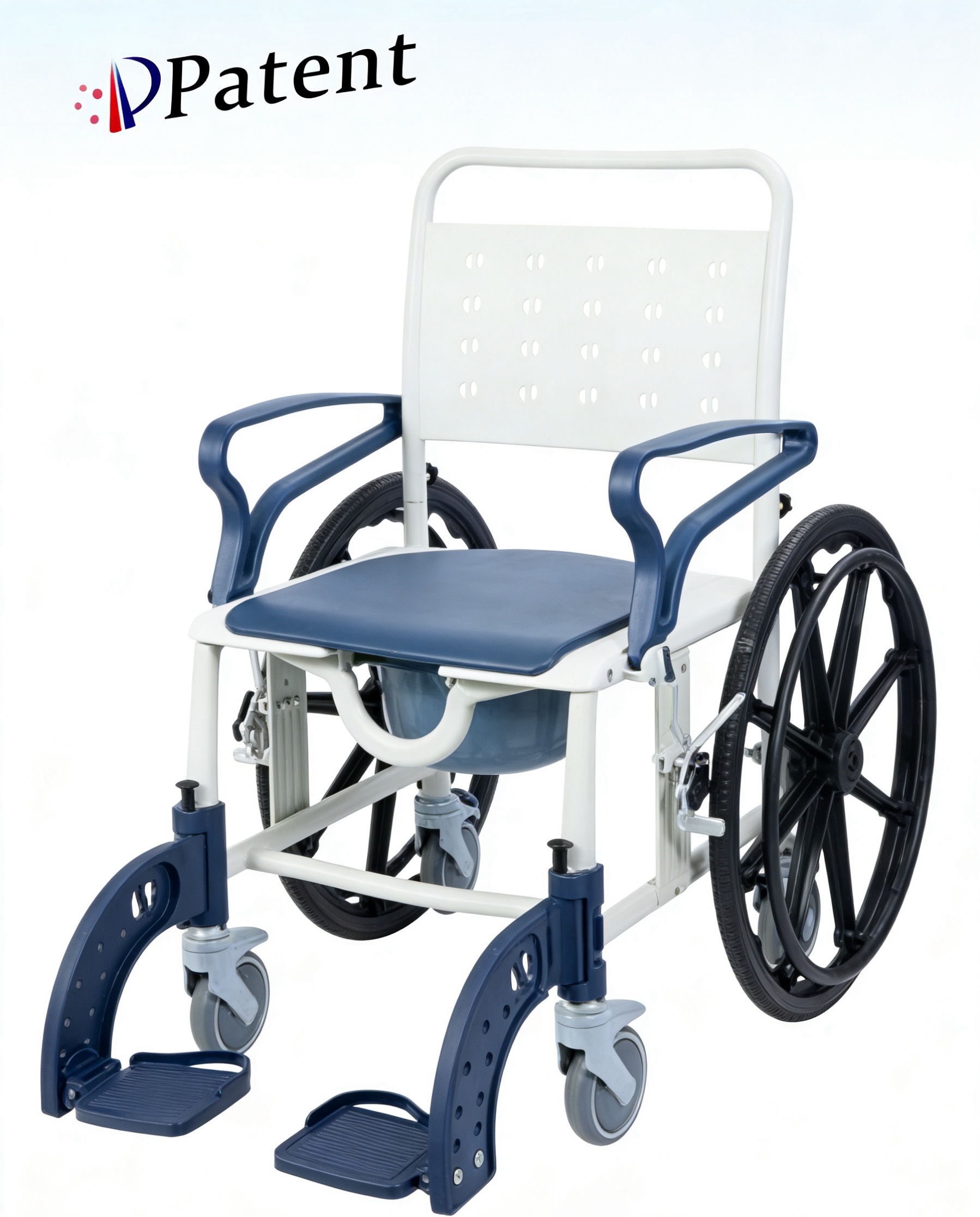
A shiny brochure can promise you the moon, but it won't get your broken machine back on the floor by Tuesday. The real test of any repair service isn't how clever their ad copy sounds—it's how quickly they can actually turn a job around. When a critical piece of equipment goes down, every hour of downtime burns through revenue, delays project timelines, and frays customer trust. Marketing claims about 'fast service' mean nothing if the repair shop is still waiting on a parts delivery three days after you've called. The only metric that truly counts is the stopwatch from the moment you report the issue to the moment the equipment hums back to life.
Consider two repair providers: one spends heavily on slogans like 'Priority Response' but has a two-week backlog, while another runs a lean operation with a local parts inventory and an average turnaround of 48 hours. Which one do you want on speed dial? Repair turnaround time isn't just a number—it's a reflection of how the shop manages inventory, schedules technicians, and prioritizes urgent jobs. A short turnaround often signals that the provider actually understands the cost of your downtime, not just the cost of their own labor. Marketing can polish a reputation, but it can't hide a slow wrench.
At the end of the day, equipment rarely breaks on a convenient schedule. When it does, you need a repair partner whose actions back up their words. Ask for concrete data: average turnaround time for your type of equipment, how often they hit their promised window, and what happens when they miss. A trustworthy provider will give you real numbers, not just adjectives. Because while a clever tagline might win a click, a fast, reliable turnaround is what actually keeps your operation moving—and that's the only claim that pays for itself.
Testing Comfort and Maneuverability Where Daily Life Actually Happens
Rather than relying on polished test tracks or empty showrooms, this evaluation takes place in the places where a chair or mobility device actually gets used: cluttered apartment hallways, corner stores with narrow checkouts, curbs with broken edges, and buses that never quite align with the pavement. The goal is to see how the product behaves when you're half-distracted, carrying a coffee, or trying not to bump a child's stroller.
Comfort is measured not by cushion softness alone but by how the body feels after twenty minutes of waiting in a pharmacy line or navigating a weekend farmer's market. Pressure points, back support, and the effort needed to make small adjustments all become obvious once you're off the smooth floor. Maneuverability is tested in tight turns around furniture, sharp pivots in a bathroom, and rolling over door thresholds that have settled unevenly over the years.
These real-world trials reveal what spec sheets cannot: whether the armrests catch on desk edges, whether the casters chatter on cracked pavement, and whether the turning radius allows a graceful exit from a packed elevator. In daily life, comfort and handling do not exist separately—they show up together in the ease of reaching a low shelf, holding a door open, and moving through a busy kitchen without needing to think about the machine beneath you.
The Hidden Cost of a Wheelchair That Can’t Adapt to Changing Needs
When a wheelchair is ordered to fit a body at one moment in time, it rarely stays right for long. Weight fluctuates, muscle tone shifts, post-surgical needs emerge. A rigid frame that once felt secure starts pressing into hips or forcing a slumped posture. The user compensates by leaning, shifting, or spending fewer hours in the chair, which quietly erodes independence and skin integrity.
Then comes the billing cycle. Insurance may approve a new chair only every five years, but the body doesn't wait. Out-of-pocket adjustments, cushion replacements, and custom backrest tweaks pile up. For a growing child, this can mean two or three stopgap overhauls before the next authorized device, each one a patch that never quite fits.
The less visible cost is missed life. A chair that can't adapt becomes a reason to skip a class, decline a job interview, or avoid travel. Every failed fit is a reminder that the equipment meant to enable movement has become another barrier, one that families quietly absorb while waiting for a system that moves slower than their needs.
How to Tell If a Manufacturer Listens Before They Sell
Some manufacturers treat the first conversation as a stage for their catalog. Others treat it as a blank page for your specs. The difference shows up quickly: a listening manufacturer asks questions that unpack your process, not just your part number. They want to know why a tolerance is tight, which surface sees wear, or how the part fits into a larger assembly. If you hear more “what happens next” than “here's our standard option,” you're probably dealing with someone who listens before selling.
Pay attention to how they handle the details. A manufacturer that listens will often restate your requirements in their own words, then suggest alternatives you might not have considered — like a material change to cut cost or a geometry tweak to avoid secondary machining. They won't rush to send a quote; instead, they'll ask what your acceptance criteria are. If the follow-up email references a specific problem you mentioned rather than a generic “thanks for your inquiry,” that's a strong signal they were actually listening.
Finally, watch their reaction when you push back. A sales-driven manufacturer speeds up when they meet resistance, while a listening one slows down and asks more questions to understand your concern. You can test this by introducing an unusual requirement and seeing whether they dismiss it or ask why it matters. A manufacturer who listens treats your constraints as design inputs, not as obstacles to the sale.
Warranty Fine Print That Reveals a Manufacturer’s True Priorities
Flip open any warranty booklet and you'll find a map of the manufacturer's real worries. The fine print rarely shouts; it whispers through exclusions and time limits. A company that covers the motor for ten years but excludes the power cord after ninety days isn't just being stingy—it's admitting exactly where the product will fail first. Those tiny asterisks about 'normal wear and tear' often translate to 'we know the buttons will lose their lettering within eighteen months, and we're fine with that.'
Look closely at what gets shipped back at your expense versus what earns a prepaid label. A brand confident in its hinges and seals will absorb the cost of a return for a sticking latch, while one that silently expects moisture damage will bury a long list of 'environmental conditions' under non-coverage. The warranty becomes a confession: the parts they believe in are protected; the parts they doubt are carved out like surgical omissions. When a laptop battery is covered for only one year but the screen for three, the message is clear—they expect you'll be replacing that battery on your own dime soon.
Even the language of repair versus replacement tells a story. 'We reserve the right to substitute a refurbished unit' isn't about sustainability; it's a signal that the company would rather recycle someone else's returned lemon than build yours right the first time. A manufacturer that truly prioritizes longevity will put that confidence in writing—offering a no-questions-asked swap for a broken part within hours, not a six-week approval maze. The next time you compare warranties, skip the bold promises on the box and read the fine print as a frank self-assessment of where corners were cut.
FAQ
Pay attention to how long they've been building chairs and whether they specialize in mobility equipment rather than treating it as a side product. Ask for references from clinics or users who've had their chairs for several years. A solid manufacturer will also be transparent about where components are sourced and how they test for daily wear.
Look beyond the website and check independent reviews, user forums, and any complaints filed with consumer protection agencies. Request a list of past clients or dealerships that carry their products, then contact a couple to hear about real-world performance. If a company hesitates to share this information, that's a signal to keep looking.
Yes, depending on your region, you'll want to see compliance with FDA registration in the U.S., CE marking in Europe, or ISO 13485 for medical device quality management. Certification alone isn't a guarantee, but it shows the manufacturer follows structured safety and testing processes rather than cutting corners.
Ask about their lead time, how they handle repairs after the sale, and whether spare parts remain available for older models. Also inquire about the weight capacity, battery range under realistic conditions, and what happens if the chair fails during the warranty period. Their willingness to answer in plain language tells you a lot about their support culture.
Don't just compare sticker prices; calculate the expected cost per year over the chair's useful life. A slightly more expensive chair with a five-year warranty and cheap replacement parts often beats a bargain model that needs constant repairs. Ask the manufacturer about the most common failure points and how much those components cost to replace.
Look for at least a two-year warranty on the frame and one year on electronics, with a clear process for getting parts shipped quickly. The manufacturer should have a support line or portal where you can get troubleshooting help without being bounced between dealers. If they outsource all service to third parties with no direct accountability, that's a risk.
Many reputable manufacturers offer adjustments for seat width, backrest angle, joystick placement, and even specialized controls for limited hand function. A good partner will ask detailed questions about your daily routine and body measurements before suggesting changes. If they only offer one-size-fits-all models, they might not be the right fit for complex needs.
Watch out for vague warranty terms, pressure to pay in full before production, or a lack of physical address and phone support. Another warning sign is when they can't provide documentation of safety testing or use stock photos instead of real product images. Trust your instincts if their communication is slow or evasive before you've even bought anything.
Conclusion
When choosing an electric wheelchair manufacturer, the real story often hides in the fine details of battery and motor specifications. A trusted partner will explain how those specs translate into daily range and torque on ramps, not just peak numbers. Equally important is testing comfort and maneuverability in the places you actually go—tight doorways, grocery store aisles, uneven sidewalks. If a chair feels awkward during a short trial, that discomfort will compound over hours of use. And pay attention to adaptability: a wheelchair that cannot be adjusted as your mobility needs shift becomes an expensive dead end, no matter how polished the initial pitch.
Repair turnaround time reveals more than any marketing claim about reliability. A manufacturer that prioritizes quick, local service understands that a wheelchair is not a luxury item but a lifeline. Watch how the company communicates before you buy—do they ask about your daily routines, your home layout, your pain points, or do they push a standard model? Finally, read the warranty fine print with suspicion. The exclusions and coverage limits show where a manufacturer's true priorities lie: protecting their margins or keeping you moving. A trustworthy mobility partner combines honest specs, real-world fit, fast repair access, genuine listening, and a warranty that backs up their promises.
Contact Us
Contact Person: Frank Chan
Email: [email protected]
Tel/WhatsApp: 0086-13924529088
Website: https://www.suncare-medical.com