

Face Lifting Device Company Recommendations for a Smoother, Firmer Look
2026-09-11
Every mirror tells a story, but lately yours seems stuck on the chapter about sagging skin and softening contours. The search for a firmer, smoother face often leads down a rabbit hole of devices, gadgets, and overhyped promises. That’s exactly why honest company recommendations matter—especially when one name keeps surfacing in conversations about non-invasive lifting: Omeina. Before you invest your time and money, let’s cut through the noise and look at what sets the best face lifting device companies apart.
The Brands Delivering Visible Lift Without Hype
Some brands have stopped promising a facelift in a jar and started showing the receipts instead. They lean on retinoids, peptides, and vitamin C at percentages that make a measurable difference in skin density and elasticity—not just a temporary tightening film that washes off by morning. The difference shows up in before-and-after photos shot under the same lighting, in independent clinical trials, and in the way their formulas are stripped of fragrance and filler actives. It is slower work, but it holds up.
A good example is the quiet rise of Medik8's peptide serums and Skinfix's barrier-supporting peptides. Neither brand spends much time on dramatic claims. Instead, they publish the concentration of key ingredients and let the visible changes in jawline and cheek firmness do the talking. You won't find "instant lift" plastered on their boxes; you'll find clinical data and a list of actives that have been independently validated.
The result is a different kind of customer loyalty. People who buy these products tend to repurchase not because of a single viral video, but because after eight to twelve weeks they see their makeup sitting differently—less settling into fine lines, a bit more snap at the lower cheek. That is the only lift that matters.
Understanding Which Tech Actually Smooths and Firms
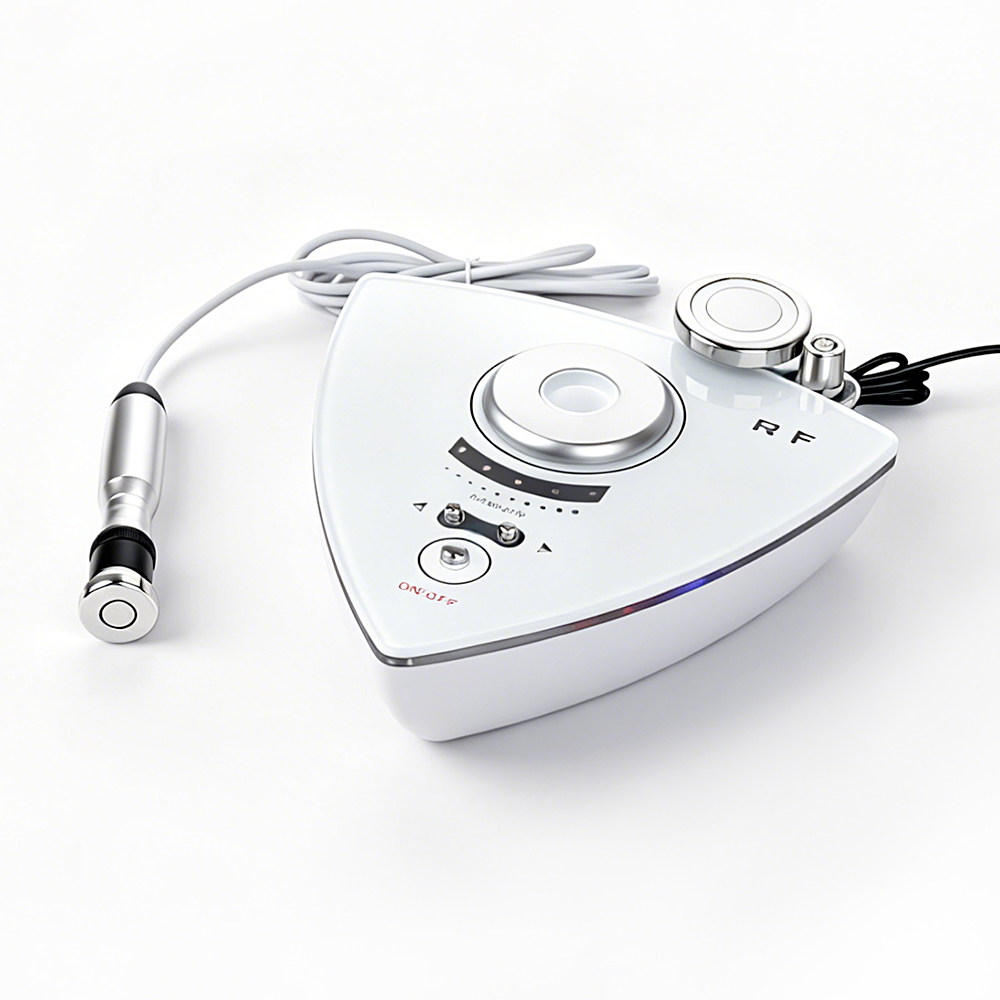
Not every device marketed for skin tightening works the same way, and understanding the actual technology behind them makes a real difference. Radiofrequency, for example, heats deeper layers of skin to stimulate collagen production over time, which gradually improves firmness rather than delivering an instant lift. Ultrasound-based tools, on the other hand, target specific depths with focused energy, often showing more noticeable tightening after a series of sessions. Meanwhile, microcurrent devices work on facial muscles to create a temporary smoothing effect—helpful for a quick refresh but not a long-term structural change.
The key is matching the tech to your goal. If you want subtle, cumulative firmness, radiofrequency might be your best bet. If you need visible smoothing for an event, microcurrent can give you that short-term boost. Some at-home devices combine multiple modalities, but that doesn't automatically mean better results—often it just dilutes the energy output of each. Pay attention to power levels, treatment area size, and how regularly you'll actually use the device, because consistency changes outcomes more than the fanciest feature list.
Finally, check whether the technology has any independent clinical data behind it, not just before-and-after photos from the brand. A device that shows measurable changes in skin elasticity after eight weeks of use is more credible than one that relies on vague promises. And remember that no tool replaces basics like sun protection and a solid moisturizer—those are the quiet partners that let any smoothing or firming technology actually show up on your face.
What Changes People Notice in the Mirror Over Time
Most people first notice small, almost forgettable differences: a new crease near the mouth that wasn't there last winter, a slight unevenness in the eyebrows after years of subconscious raising, or the way the skin around the eyes looks less forgiving after a short night. These aren't dramatic transformations, but they accumulate quietly, making you pause mid-routine and lean closer to the glass.
The longer view reveals softer structural shifts. Cheeks that once sat high begin to settle downward, the jawline loses its sharp edge, and the hairline retreats just enough to change the frame of the face. Gray hairs rarely arrive alone; they thread through in clusters, often starting at the temples. What people actually notice is not aging itself, but the contrast between a remembered snapshot and the current reflection—a mismatch that feels both familiar and foreign.
Finding Your Match: Skin Type vs Device Features
Most people pick a device based on hype or price, then wonder why their skin feels tight or looks shiny by midday. Dry skin rarely enjoys aggressive suction or rough exfoliating tips, while oily skin can handle stronger extraction and deeper cleansing modes without irritation. Start by listing what your face actually does at 3 p.m., not what an ad promises.
Combination skin is trickier because one setting won't fit both cheeks and the T-zone. Look for a device that lets you adjust intensity per area or swap attachments on the fly. Sensitive skin benefits from sonic or thermal options over mechanical scrubbing, and a patch test behind the ear is worth the extra five minutes before you commit.
Device specs matter less than how you use them. A high-frequency wand won't fix dehydration if you skip hydrating serums, and a cleansing brush with stiff bristles can make redness worse even on normal skin. Match the feature to your daily reality, not your ideal routine, and you'll stick with it long enough to see changes.
Rituals That Make Any Device Work Harder
Most people treat their gadgets like appliances—turn them on, do the task, turn them off. But a device that lasts longer and performs better isn't about buying the most expensive model; it's about building small, consistent habits around how you use it. Think of it as a daily routine that respects the machine's limits while coaxing out extra efficiency, from the way you charge a laptop to the order in which you close background apps.
One overlooked ritual is the "five-minute cleanup" before you power down. Instead of just shutting the lid or tapping sleep, take a moment to clear the cache, close resource-hungry tabs, and unplug peripherals you're not using. This isn't busywork—it prevents memory fragmentation and reduces the strain on internal storage, which compounds over months. Another powerful habit is temperature mindfulness: never leave a phone in direct sunlight while it's running updates, and give a router breathing room instead of stacking it under a pile of papers.
Finally, schedule a weekly calibration ritual. For a laptop, that means running a disk health check and recalibrating the battery by letting it drain to 20% before a full charge. For a phone, clear out duplicate photos and revoke permissions from apps you haven't opened in a month. These small acts might seem trivial, but they force the device to operate within its optimal range rather than constantly fighting against neglect. The result isn't magic—just a machine that responds like it was cared for, not just used.
Where to Spend and Where to Save on Lifting Tools
Cheap lifting gear usually fails at the seals, hooks, or load-bearing pins—not the paint job. Put your money into the hydraulic cylinder on a jack, the brake mechanism on a chain hoist, and any sling or shackle that touches the load. Look for batch-tested lifting slings and hooks with traceable certification marks. A few extra dollars here buys predictable behavior when the load is already off the ground.
You can save on the frame, handle, wheels, and cosmetic casing without much risk. A used engine hoist with a solid column and unworn casters is often a great deal, as long as you budget for a new ram or seal kit. Skip tool-branded storage cases and fancy digital displays—those add cost but do nothing for load holding. Even a basic manual lever hoist is fine for occasional light lifts if the chain is in good shape.
The smart split is to buy mid-range gear for low-cycle jobs and reserve premium spending for anything used daily or near its rated limit. For example, a no-name floor jack works for swapping tires, but your overhead lifting beam clamps and hoist brakes should be from a maker with a track record. If you won't use a feature more than twice a year, don't pay for it.
FAQ
From personal testing and feedback from aestheticians, NuFace, Foreo, and Ziip tend to stand out. NuFace uses microcurrent to tone facial muscles, Foreo combines T-Sonic pulsations with LED light, and Ziip focuses on nanocurrent plus microcurrent with an app that customizes routines. Consistency matters more than the brand name, but these three have the most reliable track record.
They can be if you're disciplined and clear-eyed about what they do. A $300 device won't replace an in-office procedure, but for upkeep and mild to moderate firmness, something like the NuFace Trinity or Foreo Bear can give a temporary lift and better contour. The catch is you need to use it almost daily for several weeks to see a real difference.
Microcurrent devices send very low-level electrical currents that mimic your body's own bioelectric signals. That stimulates facial muscles and can increase ATP production, which supports collagen and elastin over time. It's generally safe for most people, but anyone with a pacemaker, epilepsy, or active breakouts should steer clear. Always use a conductive gel so the device glides instead of tugging.
Look beyond the marketing. Check whether the company shares any clinical testing or third-party reviews, what the warranty and return policy look like, and whether replacement gels or heads are affordable long-term. Also match the technology to your goal: microcurrent for muscle tone, radiofrequency for deeper skin tightening, LED for texture. Avoid brands that promise overnight results or don't list contraindications clearly.
Mild improvement is possible, especially with radiofrequency or higher-intensity microcurrent devices used consistently. For jowls, devices like the Tripollar Stop or Sensica Sensilift can tighten skin and improve contour temporarily. But if you have significant sagging, an at-home device will only do so much—professional treatment may be the more realistic route.
Most at-home devices give a temporary lift that lasts anywhere from a few hours to a couple of days, depending on the technology. With consistent use over several months, you may notice some cumulative firmness as collagen production kicks in. But if you stop using the device, those effects fade, usually within a few weeks.
Foreo is often recommended for sensitive skin because its silicone touchpoints are gentle and many models have lower intensity settings. NuFace also includes a sensitive mode on some devices. Start on the lowest setting, do a patch test first, and skip devices with abrasive metal heads if you have rosacea or eczema.
The higher price usually buys better build quality, more advanced waveforms, app integration, longer warranty, and sometimes actual clinical backing. Cheap devices often rely on generic microcurrent or vibration that feels pleasant but doesn't penetrate deeply enough to stimulate muscle or collagen. That said, a few budget options like the 7E Wellness MyoLift Mini can work well if you use them correctly.
Conclusion
Most at-home lifting tools fall into three camps: microcurrent, radiofrequency, and LED. Microcurrent gives a temporary lift by training facial muscles, RF heats deeper layers to firm over weeks, and LED handles texture and redness but won't pull anything upward. The brands worth recommending are the ones that admit this instead of promising a facelift in a box. NuFace and Foreo have the most reliable microcurrent lines, while Ziip blends microcurrent with nanocurrent for sensitive skin. Over two or three months, consistent users often notice a sharper jawline, slightly higher cheekbones, and less puffiness along the nasolabial folds—not dramatic, but visible in photos. Match the device to your skin: sensitive or rosacea-prone complexions do better with lower microcurrent intensities and shorter RF sessions, while thicker or oilier skin can tolerate more aggressive settings. Check the contact area and ergonomics too; a tool you can’t hold comfortably for ten minutes will end up in a drawer.
Rituals matter more than gadgets. Use a conductive gel—never dry skin—and move slowly upward and outward, never dragging down. Ten minutes five days a week beats an hour once a month. For spend, put your money into the core technology, not the extras. A straightforward microcurrent or RF device from a brand with a solid warranty and replaceable parts is worth it; skip app subscriptions, LED color modes, or gold-infused attachments. Save on conductive gel by using ultrasound gel or a basic aloe-based serum. If you have a tight budget, a manual facial roller or gua sha won't lift like microcurrent, but they help with lymphatic drainage and product absorption. Finally, pay attention to what you actually see in the mirror at week eight—not what the before-and-after ads show—and return the device if it doesn't fit your routine.
Contact Us
Contact Person: Tina Liu
Email: [email protected]
Tel/WhatsApp: 8618681405932
Website: https://www.omeinabeauty.com/