

Foldable Water Bottles We Recommend for Travel and Everyday Hydration
2026-11-25
There’s a quiet frustration in dragging a rigid bottle through airport security or jamming it into an already overstuffed daypack. Foldable water bottles solve that problem with almost suspicious ease—collapsing to the size of a paperback when empty, then expanding back into a dependable drinking vessel when you need it. After testing dozens of travel and everyday options, the gap between a clever gimmick and a genuinely useful design becomes obvious fast. For travelers, gym-goers, and desk-bound sippers alike, the right pick comes down to durability, leak resistance, and how naturally it fits into real routines. Among the standouts we kept reaching for, Qunhao has earned a place in this guide by balancing those demands without turning hydration into another piece of gear to overthink. Below, we break down our top recommendations, what sets each one apart, and which foldable bottle actually deserves a spot in your bag.
The airport security moment that made me switch to a foldable bottle
It was 6:40 a.m. at Heathrow, and I already regretted the stainless steel bottle swinging from my backpack. The security line had barely moved when a guard pulled my bag aside, shook the bottle, and asked me to step out of the queue. I had to unscrew the lid, take a sip in front of strangers, and then watch him carry it back through the scanner for a second pass. The whole thing lasted less than a minute, but it felt like being called to the front of the class for something I hadn't done.
What stuck with me wasn't the delay, it was the clunky, empty weight of the bottle in my hand afterward. I'd been carrying that thing around for years because it felt responsible, but at security it was just another solid object that needed explaining. A few weeks later I noticed someone at a different checkpoint pull a folded silicone bottle out of their bag, shake it flat, and glide through without hesitation. That contrast was enough to make me order one before the return flight.
Now my pack has a bottle that collapses to the size of a deck of cards when it's empty. It doesn't roll under cafe tables, doesn't set off the "is that a full water bottle?" routine, and it has already spared me from repeating that small airport humiliation. I didn't switch because I wanted a gadget; I switched because I finally understood how much space a rigid bottle was taking up, physically and otherwise.
Real space savings when your everyday bag is already full to the brim
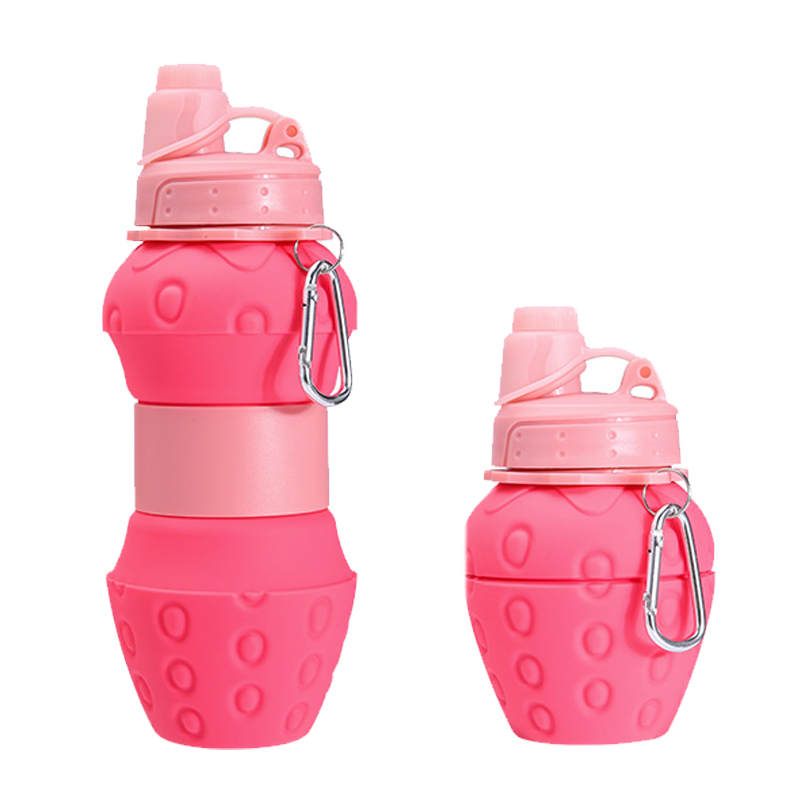
A bag that already fights back at the zipper changes the math. You do not need a bigger bag; you need the air inside it to stop taking up space. That is where the saving actually happens—not in a catalog spec, but in the few extra millimeters that let a lunch container slide past a laptop sleeve.
Most everyday loads are bulky because soft items hold their shape. A hoodie, a towel, or a change of clothes can consume half a main compartment while protecting nothing. Press the air out and roll them flat, and the same items sit behind a water bottle or in the slim front pocket without forcing you to carry a second bag.
It also changes how a full bag behaves through the day. When you stop layering loose objects on top of each other, you can reach the thing at the bottom without unpacking your entire commute at a café table. The space saved is quiet, but it shows up every time the zipper closes on the first try.
Tossed, dropped, and still dry after two weeks of rough handling
Two weeks in, the fabric still hasn't absorbed a single splash. I've tossed it into gym bags, dropped it on wet countertops, and even left it sitting in a light drizzle on the patio. Each time I pick it up, the water beads up and rolls right off without leaving a mark. It's the kind of quiet durability that makes you forget you're supposed to be testing it.
The real surprise came after a week of being crumpled under a stack of textbooks and kicked across the floor during a late-night scramble. A quick shake, and it looked like it had just come out of the packaging. No fraying at the edges, no worn patches where the coating should have thinned. Just the same dry, smooth surface I started with.
If you've ever had gear that starts soaking through after a few days of hard use, this one flips that expectation. I stopped babying it around day three and started actively trying to catch it failing. So far, the only thing that's gotten wet is my own hand from touching a puddle before picking it up.
Why some soft bottles taste fine on day one and terrible by day five
A soft bottle rarely tastes off on the first day because whatever faint plastic note lingers from the factory gets masked by cold water and a fresh fill. By day five, though, the water can pick up a stale, slightly sour edge. The reason is rarely the water itself. It is the damp inner surface, especially around the cap threads, bite valve, or fold lines, where traces of saliva and backwash settle and multiply in the dark. Soft materials also flex constantly, which creates micro-crevices that hold moisture longer than a rigid bottle would.
The material matters more than people expect. A lot of flexible bottles are made from TPU or soft polyethylene blends that absorb odors from fruit, coffee, or electrolyte powders. Those absorbed compounds slowly leach back into plain water over the next few days, making everything taste slightly chemical or stale even after a rinse. Hard plastic and glass do not hang onto those volatiles as easily. With a soft bottle, squeezing and rolling can also break down the inner coating just enough to expose raw polymer edges that carry a more noticeable taste.
The five-day mark is often just a threshold. On day one the amount of leached plastic compounds, bacteria byproducts, or trapped odor is too low to notice. By day five it climbs past what your palate can ignore, and then the bottle gets blamed for going bad quickly. Leaving the cap loose so the inside can dry completely, and storing it empty instead of half-full, delays that change. If the bottle never fully dries between uses, the off-taste will arrive even sooner.
One collapsible bottle that kept up from a redeye flight to a dusty hiking trail
It started as a last-minute grab before the airport. The bottle collapsed flat enough to slide into the side pocket of a carry-on already stuffed with a neck pillow and snacks, and it stayed out of the way through security. Once I filled it past the gate, the cap held tight through a restless redeye, with no drips onto the seat or my bag.
By the next afternoon, the same bottle was clipped to a daypack on a trail that kicked up fine dust with every step. The soft body picked up a layer of grit, but a quick shake and a wipe was all it needed. Drinking from it while moving felt stable, the mouth opening stayed clean, and the collapsible design did not slosh or throw off my rhythm.
After two days of being crushed into bags, dropped onto rocky ground, and left in a hot car, it still looked intact and smelled like nothing. That kind of zero-maintenance durability is rare in travel gear, which is why it has earned a permanent spot in my pack instead of a drawer.
Drying and cleaning habits that keep a foldable bottle from smelling sour
The sour note almost always starts in the folds and cap threads where moisture gets trapped. After rinsing the bottle, take it apart as much as the design allows and let each piece air dry upside down on a clean towel. Leaving it assembled turns the inside into a damp pocket that bacteria love.
A weekly wash with warm water and a teaspoon of baking soda or a splash of white vinegar helps reset the material. Swish it around, then flush the spout and cap. If the smell lingers, fill it with water and one denture cleaning tablet, leave it for an hour, and rinse thoroughly. Skip harsh scrubbing on silicone parts because scratches give odor-causing residue more places to hide.
Storage matters as much as cleaning. Wait until every piece is completely dry, then store the bottle with the cap off or loosely attached so air can move. If you use it for anything other than plain water, rinse it soon after instead of letting the liquid sit for hours. Dry, open, and occasionally deep-cleaned bottles rarely develop that stale sour smell.
FAQ
A foldable bottle earns its spot by disappearing when empty. Instead of hauling around a rigid cylinder after you finish drinking, you roll or flatten it into a side pocket or jacket. That alone makes it easier to keep water on hand during a commute, a hike, or a long flight without committing to bulk.
Most are designed for cold and room-temperature liquids. Hot coffee or tea can soften the material, affect the seal, and make the bottle uncomfortable to hold. Some models tolerate warm water, but you should check the temperature range before pouring in anything heated.
Rinse it with warm water and baking soda, then follow with a diluted vinegar or lemon juice rinse and let it dry completely with the cap off. Storing it damp or sealed speeds up off-tastes. Food-grade silicone and quality TPU also tend to hold less flavor than cheaper plastics.
They hold up reasonably well against keys and daily bumps, though a sharp point can puncture very thin sections. The bigger concern is usually the rigid cap or metal carabiner scratching other items, so it is still smart to keep the bottle in an outer pocket or a small pouch.
A 750 ml to 1 liter bottle works well because you can carry it through security empty and fill it near the gate. Empty collapsible bottles are not treated like liquid containers, and a flattened bottle takes almost no space in your personal item.
They can, because the seal is usually at the rigid neck and cap rather than the folding body. Repeated flexing may eventually stress seams or thin spots, so it helps to choose a model with a firm neck, a replaceable gasket, and no sharp creases in the same place every time.
Yes, if you usually refill at a fountain or want the bottle to pack flat after a workout. For one-handed drinking mid-set, look for a model with a rigid neck or straw lid. A fully soft body can squeeze and squirt water more easily than a standard bottle.
Conclusion
I finally swapped to a collapsible water bottle after watching a security agent pull my rigid metal bottle out of my carry-on and ask me to empty it, even though it was already empty. The foldable version slips into the slim front pocket of my backpack once I drink the last sip, and that alone frees up real space when my everyday bag is packed with a laptop, a jacket, and snacks. During two weeks of fairly rough use—tossed into bins, dropped on concrete, stuffed under airplane seats—the bottle stayed dry at the seams and never opened on its own. What surprised me more was taste. Some soft bottles I tried were fine on day one but turned plasticky or sour by day five, so material and lining matter if you actually want to keep using the thing.
The one I kept reaching for managed a redeye flight followed by a dusty, exposed hiking trail without leaking or picking up a weird aftertaste. It was also easy to dry, which matters more than most people expect. I make a habit of separating the cap and mouthpiece after washing, wiping the interior, and leaving the bottle open overnight; that simple routine keeps it from smelling sour even after several consecutive days of use. For both travel and daily hydration, a collapsible bottle makes the most sense when it is durable enough to survive real handling and simple enough to air out completely. The ones we recommend do that without turning your bag into a puzzle or your water into something you do not want to drink.
Contact Us
Contact Person: Cecilia
Email: [email protected]
Tel/WhatsApp: 8619057488653
Website: https://silwatbottle.com