

How Professional Levelling Agents Deliver Flawless Floor Finishes Every Time
2026-07-25
Flawless floors don't happen by chance—they're crafted with precision chemistry. Every ripple or uneven patch in a floor finish traces back to the levelling agent. That's why professionals turn to HAISEN, whose innovative levelling technologies set the gold standard. In the following sections, we'll unpack the science and skill behind those impeccable surfaces.
The Science Behind Self-Leveling Compounds
At its core, a self-leveling compound relies on a careful balance of rheology and particle physics. The magic starts with a blend of fine hydraulic binders, often a mix of calcium sulfates or special cements, paired with precisely graded aggregates. When water is added, a controlled chemical reaction kicks off—hydration. This reaction doesn't just harden the mass; it creates a temporary fluid state where surface tension and gravity do the heavy lifting. The mix's viscosity is intentionally kept low enough to allow it to spread, but not so low that the solids segregate. Polymers, typically redispersible powders, step in here, modifying the surface charge of particles to prevent clumping and ensure a uniform flow without the water bleeding to the top.
What truly sets these compounds apart is the interplay between their plasticizers and defoaming agents. Superplasticizers adsorb onto cement grain surfaces, breaking internal friction by creating negative charges that push grains apart. This turns a barely fluid paste into a freely flowing slurry with minimal additional water—excess water would weaken the final floor. Meanwhile, defoamers burst tiny air bubbles that get trapped during mixing; these voids would otherwise disrupt the smooth surface and compromise compressive strength. The result is a dense, bubble-free layer that seeks its own level with a mirror-like finish, often achieving thicknesses down to a few millimeters without curdling or cracking.
As the compound cures, subtle shrinkage compensation kicks in. Specially added expansives, like calcium sulfoaluminate, generate controlled crystal growth that offsets the normal drying shrinkage. This is crucial because if the slab shrank even slightly, it would lose bond with the substrate and develop hollow spots. The science of these additives ensures that the hardened layer stays in intimate contact with the base, transmitting loads evenly. Temperature and humidity during application also play a physiological role; too cool and the reaction slogs, too dry and the surface skins over before leveling completes. Mastering these variables transforms a simple powder and water mix into a predictable, time-saving solution for modern flooring.
Pre-Installation Steps Professionals Never Skip
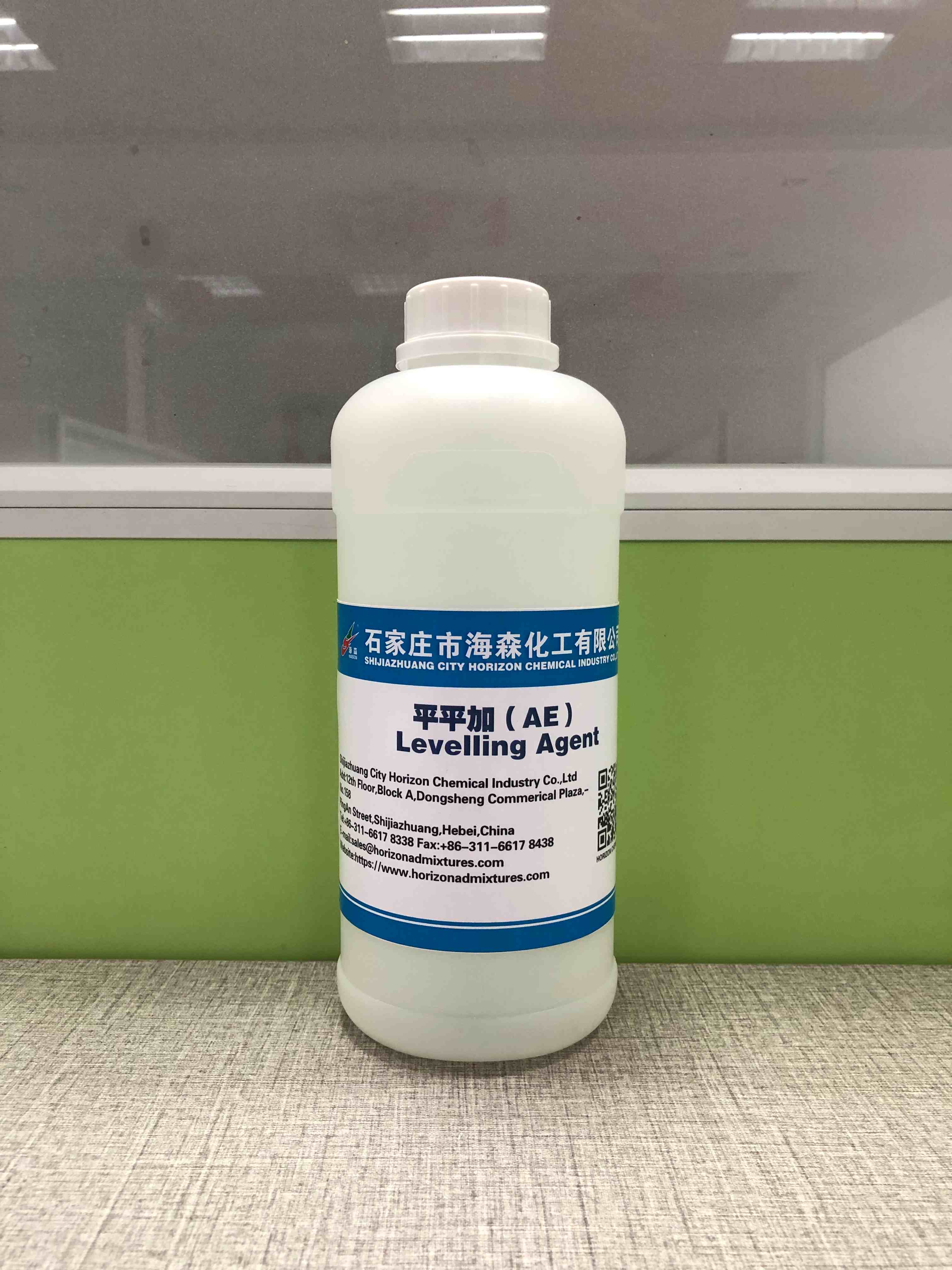
Before even unwrapping a new appliance or laying down the first tile, seasoned installers run through a mental checklist that goes far beyond the manual. They verify the site’s structural readiness—checking for level floors, adequate load-bearing capacity, and hidden obstacles like pipes or wiring behind walls. Measurements are triple-checked, and temporary supports might be rigged to see how everything fits in the space. This upfront diligence prevents the all-too-common scenario where a beautiful installation gets marred by warped surfaces or uneven gaps.
Another step that often separates the pros from the amateurs is creating a dedicated staging area with precise tool and material placement. It might look like overkill, but having a clean, organized zone with all screws, brackets, and adhesives laid out in sequence avoids mid-job scrambling. They also take time to unmount and inspect every component under good lighting, looking for factory defects that could turn into callbacks later. This quiet hour of prep work is what makes the main event appear seamless and almost effortless.
Finally, experienced professionals always run a dry-fit or mock assembly before any permanent fasteners are applied. They temporarily piece together the project—whether it’s modular furniture, a complex plumbing fixture, or a custom cabinetry setup—just to see how the joints line up and the motion feels. This last rehearsal catches alignment quirks and reveals where shims or adjustments will be needed, ensuring the final result is rock-solid and visually flawless without extra holes or messy corrections.
Application Techniques That Guarantee Smooth Results
Getting a flawless finish isn’t just about the product—it’s about how you put it on. Start with a well-prepped surface; clean, lightly moisturized skin gives your base the best shot at gliding on without clinging to dry patches. Warm a small amount of foundation or concealer between your fingers before applying—this melts the product just enough to blend into skin instead of sitting on top. Use your fingertips for the initial placement, patting and pressing rather than rubbing, to work the product into the skin for a more natural look.
Tools matter, but technique matters more. A damp beauty sponge, squeezed until no water remains, can sheer out a formula that tends to look cakey and bounce it into skin for a second-skin finish. If you prefer a brush, stippling motions (not long sweeping strokes) buff the product into pores and fine lines, minimizing texture. Press a single-ply tissue gently over the face afterward to pick up any excess without disturbing coverage—a trick artists use to set the stage for long wear.
Set strategically, not heavily. Instead of dragging a powder puff everywhere, focus on areas that tend to shift or get shiny: center of the forehead, sides of the nose, and chin. Use a small, fluffy brush and a translucent powder to lightly press into these zones, then dust away the rest. This locks in your work without that heavy, over-powdered look. For a truly seamless blend, finish by pressing your palms lightly against your face—the warmth helps everything melt together, leaving behind a smooth, alive finish.
Why Humidity and Temperature Matter More Than You Think
Most people only glance at the temperature before heading out the door, but the air's moisture content can completely change how that number actually feels. High humidity makes heat cling to your skin because sweat can't evaporate efficiently, leaving you sluggish and drenched. On the flip side, dry cold air feels sharper and steals warmth from your body much faster than damp cold, making a mild day unexpectedly bone-chilling.
Beyond comfort, the balance of temperature and humidity quietly shapes your health and home. Chronic dampness invites mold, dust mites, and respiratory issues, while overly dry air cracks skin, irritates throats, and even warps wooden furniture or musical instruments. It's a silent tug-of-war that most people only notice after the damage is done—peeling wallpaper, a persistent cough, or a ruined loaf of bread that stales overnight.
Paying attention to this duo can actually save you money and energy. A well-managed indoor climate reduces the strain on heating and cooling systems, because your body feels comfortable at a wider range of thermostat settings when humidity is in check. Instead of cranking the heat in winter, adding a little moisture can make the space feel warmer, and in summer, pulling humidity out of the air can let you set the AC a few degrees higher without sweating.
Avoiding Common Pitfalls in Leveling Agent Application
Many formulators run into trouble by treating leveling agents as a one-size-fits-all solution. The first mistake is adding too much too quickly. Overdosing can cause excessive flow, leading to sagging on vertical surfaces or pooling in recessed areas. Instead, start with a conservative amount and increase gradually while observing the coating's behavior. Keep in mind that the optimal dosage depends not only on the resin system but also on the application method, film thickness, and even ambient conditions.
Another common oversight is neglecting compatibility between the leveling agent and the rest of the formulation. Silicone-based additives, for instance, can sometimes create surface tension gradients that result in cratering if they are not fully soluble or if they migrate unevenly. Acrylic leveling agents might work beautifully in one binder but cause haze in another. Before committing to a production batch, run a simple drop test or a small-scale compatibility trial. Watch for signs of separation, cloudiness, or changes in gloss that could signal trouble later.
Finally, don't underestimate the influence of solvent balance and drying conditions. A leveling agent can only do its job if the coating stays open long enough to allow proper flow. When the solvent blend evaporates too quickly, even the best leveling additive won't prevent brush marks or orange peel. Adjust your solvent profile to match the open time required by the leveling agent, and if possible, fine-tune the application environment—temperature and airflow—to give the film the best chance to level out before setting.
The Final Touch: How Pros Ensure a Glass-Like Finish
Achieving that flawless, glass-like finish isn't just about the final coat of wax or sealant—it's a meticulous process that starts long before the polishing pad touches the paint. Professionals know that the foundation of a mirror shine is flawless paint correction. This means carefully inspecting the surface under multiple light sources to identify every swirl, scratch, or imperfection. Using the right combination of compound, pad, and machine speed, they systematically remove defects without sacrificing clear coat. The result is a perfectly leveled surface that reflects light uniformly, setting the stage for the deep, liquid shine that follows.
Temperature and environmental control often separate a good finish from a show-stopping one. Pros work in clean, well-lit spaces and constantly check panel warmth to avoid overheating, which can lead to hazing or burn-through. They also tailor their approach to the paint type—harder German clear coats demand a different strategy than softer Japanese finishes. Many will do a final refining pass with a ultra-fine polish and a soft foam pad, even after major correction, to enhance clarity. This step adds only a whisper of improvement, but that whisper is what makes the paint look like it's wearing a coat of liquid glass.
The true secret, though, is the layered protection that amplifies the shine. After polishing, oils and residues are stripped using an IPA wipe or panel prep to reveal the bare, corrected surface. Only then is a high-grade ceramic coating, graphene-infused sealant, or pure carnauba wax applied—often by hand, using careful cross-hatch patterns for uniform coverage. The coating is then leveled and left to cure out of the elements, sometimes under infrared lamps, to ensure maximum hardness and gloss. This final touch is what gives the finish that wet, glossy depth that seems to ripple under light, and it's exactly why professionals insist that perfection is in the last detail.
FAQ
A levelling compound flows into low spots and fills gaps, creating a perfectly even substrate. Without it, even minor bumps telegraph through the final floor, leading to premature wear, cracking, or an unprofessional look.
Absolutely. High-quality self-levelling agents can handle deep gouges, spalling, and slopes up to a certain degree. For extreme cases, professionals often layer products or combine them with patching compounds to restore a flawless base.
They evaluate the substrate, moisture levels, and the final flooring type. For instance, fast-curing formulas suit tight deadlines, while fibre-reinforced options work better over wooden subfloors. Compatibility with adhesives and the load the floor will bear also guide the choice.
Rushing the surface preparation. Dust, grease, or a poor primer coat stops proper bonding. Many DIYers also misjudge the working time, leaving trowel marks or uneven areas that ruin the finish.
Yes, on structurally unsound substrates that flex or vibrate excessively. Also, some old adhesive residues can react with the compound. When in doubt, a pro will test a small area or recommend an alternative prep method.
It depends on the product and site conditions, but typically 24 to 72 hours. Thicker pours need more time. Always check the manufacturer’s guidance—rushing this step can trap moisture and destroy the new floor.
Pros achieve a glass-like levelness across the entire space, even at doorways and corners. They also address the underlying issues, not just the surface, so the floor stays flawless for years instead of developing new problems months later.
Conclusion
Achieving a perfectly level floor isn't just about pouring a compound and hoping for the best—it’s a meticulous process rooted in material science and hands-on expertise. Professional levelling agents start with a deep understanding of how self-levelling compounds behave: the precise blend of polymers, cements, and additives that allows the mix to flow while retaining enough body to fill low spots without shrinking or cracking. Before any product touches the substrate, pros thoroughly inspect and prepare the surface, grinding down high points, repairing cracks, and applying the right primer to lock in porosity and ensure a rock-solid bond. They never skip moisture testing or neglect ambient conditions, because even minor fluctuations in humidity or temperature can alter flow time, adhesion, and final hardness. This attention to the unseen factors sets apart a floor that will remain stable underfoot for years from one that might fail within months.
When it’s time to apply, the technique makes all the difference. Professionals use gauge rakes, spiked rollers, and careful sequencing to spread the compound evenly and release trapped air before the critical working time expires. They work with the material’s rheology, not against it, recognizing that over-troweling or adding extra water will compromise strength and smoothness. Common mistakes—like neglecting edge detailing, underestimating drying times, or pouring in unworkable climates—are sidestepped through experience and a strict quality checklist. The final polish comes from a combination of light sanding, patching any micro-imperfections, and, if required, an expertly applied topcoat that leaves behind a glass-like, durable surface. Ultimately, it’s this blend of chemistry, preparation, and practiced skill that allows professional levelling agents to deliver a flawless finish every time, turning a rough subfloor into the silent, dependable foundation of a beautiful space.
Contact Us
Contact Person: Sam Lee
Email: [email protected]
Tel/WhatsApp: 86-311-6617 8338
Website: https://www.horizonadmixtures.com/