

Laser Protection Helmet Company Leads the Way in Advanced Safety Gear
2026-05-31
When it comes to laser safety, most helmets sacrifice comfort for protection—but LASERPAIR is flipping that narrative. This trailblazing company has turned advanced safety gear into a seamless fusion of robust defense and all-day wearability, making laser protection gear feel less like bulky armor and more like a second skin. As industries rapidly adopt high-powered lasers, the need for smarter protective solutions grows urgent. LASERPAIR doesn’t just meet this demand—it redefines the standard. What happens when you combine cutting-edge materials with ergonomic design? You get a helmet that protects your vision without weighing you down, sparking curiosity about what’s next in laser safety innovation.
Redefining Laser Safety Standards Through Cutting-Edge Innovation
In an industry where precision and protection go hand in hand, the evolution of laser safety is no longer just about meeting regulatory checkboxes. It’s about fundamentally reimagining how we shield human talent and sensitive environments from optical hazards without stifling progress. This means moving beyond passive protective gear and static warning systems toward intelligent, adaptive solutions that respond in real time to changing conditions. By integrating sensor arrays, machine learning, and advanced materials, safety measures become part of the workflow, not a barrier to it.
The latest breakthroughs are not mere incremental updates; they represent a paradigm shift. Consider enclosures that automatically adjust opacity based on beam intensity and wavelength, or interlocks that learn operator patterns to anticipate risk moments before they occur. These innovations are built on a foundation of deep scientific understanding and a commitment to zero-compromise human factors. The goal is to create environments where cutting-edge lasers can operate at full capacity without the constant specter of injury or compliance drift—a reality where protection feels invisible and reliability is absolute.
This fresh perspective also means embracing a holistic view of safety culture. It’s about translating complex engineering into seamless user experiences that empower technicians, researchers, and medical staff to focus on their work, confident that the safety architecture has their back. Through rigorous simulation, real-world testing, and a design philosophy that favors resilience over fragility, the industry is setting new benchmarks that will likely influence global norms. Ultimately, redefining laser safety standards isn’t just about technology; it’s about building a future where innovation and well-being coexist without tension.
How Advanced Materials Are Shaping the Next Generation of Helmets
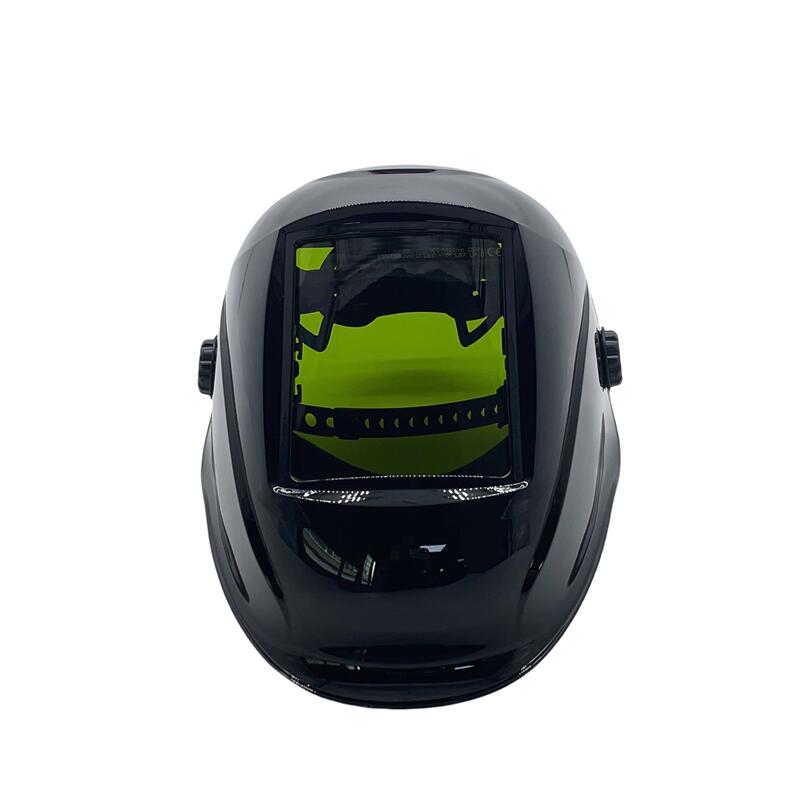
The quiet revolution in head protection isn't about adding more foam—it's about rethinking the materials entirely. Engineers are now weaving together layers of carbon fiber, aramid fibers, and even graphene to create shells that spread impact forces more efficiently than ever before. These composites aren't just lighter; they can be tuned to stiffen on impact, absorbing energy through micro-fractures rather than transmitting it to your skull. The result is a helmet that feels almost weightless during normal use but becomes a rigid shield in a crash.
Beyond the shell, advanced polymers and shear-thickening fluids are changing how liners behave. D3O and similar non-Newtonian materials remain flexible under everyday movement but lock up instantly when hit, providing targeted protection without bulk. Meanwhile, phase-change materials are starting to handle thermal comfort—absorbing body heat when you're working hard and releasing it when you slow down, all while maintaining safety. It's a shift from passive padding to active, responsive systems that adapt to both the wearer and the situation.
Some of the most intriguing developments are pointing toward helmets that communicate. Piezoelectric fibers woven into the structure can generate signals upon deformation, potentially triggering emergency alerts or logging impact data for later analysis. Researchers are even exploring self-healing polymers that can repair minor cracks after an impact, extending a helmet's useful life. Together, these material breakthroughs are moving helmets from simple protective shells to intelligent, long-lasting companions that react in real time—and that's a future worth keeping an eye on.
Behind the Design: Merging Comfort with Uncompromising Protection
When we set out to redefine what a protective case could feel like, the initial brief seemed almost contradictory. How do you wrap a device in a cushion that also acts like armor? The answer lay in refusing to treat comfort as an afterthought. Instead of the usual bulky shells, we began experimenting with materials that flex and absorb shock at a structural level, not just by adding mass.
The breakthrough came when we layered micro-textured fabrics over an intelligent impact core. The outer skin was engineered to distribute pressure evenly, so even after hours of handling, your grip never feels strained. Beneath it, a lattice of air pockets compresses on impact, dispersing energy before it ever reaches the device. This dual-layer approach meant we never had to choose between a slim profile and real-world toughness.
What you end up with is something that feels less like a case and more like a second skin—one that happens to be built to withstand drops measured in meters, not inches. It’s the kind of detail-driven design that doesn’t scream for attention, but quietly reshapes your expectations every time you pick it up.
Real-World Applications Where Laser Helmets Prove Indispensable
Medical professionals now rely on laser helmets to treat androgenetic alopecia with a consistency that topical solutions rarely match. By delivering low-level light directly to the scalp, these devices boost cellular activity in dormant follicles, often slowing or reversing hair loss without prescription drugs or surgical recovery. Patients appreciate the hands-free design, which lets them go about daily routines while the therapy runs in the background.
On noisy factory floors, laser helmets take on a protective role that goes far beyond basic headgear. Welders and cutting machine operators wear them to shield against flying sparks and intense optical radiation—modern versions even darken automatically within milliseconds when the arc strikes. This combination of impact resistance and instant light filtering keeps vision sharp and accidents rare, making the gear non-negotiable in high-precision metalwork.
Tactical units and search-and-rescue teams have grown dependent on helmets that incorporate laser rangefinders and infrared illuminators. Whether marking a target in low visibility or mapping a collapsed structure, the integrated optics give field personnel immediate distance data without breaking cover to juggle separate devices. Mounting these sensors directly into headgear reduces equipment weight and frees up both hands, a practical edge that standard handheld tools simply can’t deliver.
Certifications That Set the Bar for Industry Excellence
In an increasingly crowded marketplace, a handful of certifications have emerged as genuine differentiators, signaling a commitment to quality that goes well beyond basic compliance. They aren’t just badges on a website; they represent rigorous audits, continuous improvement cycles, and a culture of accountability that permeates every layer of an organization. Companies that pursue these credentials often find that the process itself drives meaningful change—tightening operational gaps, elevating team expertise, and building trust with discerning clients who know the difference between a marketing label and a hard-earned designation.
What makes these certifications particularly valuable is their emphasis on real-world applicability. Rather than checking off theoretical boxes, they require demonstrable results: measurable safety records, verified ethical sourcing, energy efficiency benchmarks, or customer satisfaction scores that meet strict thresholds. This results-oriented approach means that certified organizations aren’t just promising excellence—they’re proving it year after year through transparent reporting and outside validation. For industries ranging from manufacturing to tech services, this level of third-party scrutiny has become a quiet but powerful filter that separates industry leaders from the crowd.
The mark of a truly impactful certification is its ability to evolve alongside the field it serves. The standards that set the bar aren’t static; they’re regularly updated to incorporate emerging risks, new technologies, and shifting societal expectations. This dynamic quality ensures that certified professionals and companies aren’t just resting on past achievements but are actively engaged in shaping the future of their industry. It’s this forward-looking discipline that turns a certification into a lasting symbol of excellence, recognized not only by peers but by a market that increasingly rewards genuine expertise over empty claims.
What Users Say About the Shift to Premium Safety Gear
Plenty of folks admit they balked at the price tags initially. A mechanic from Ohio told us, "I figured my old hard hat was fine—why drop a week's pay on something fancier?" But after a close call on a job site, he gave a premium lid a shot. Now he swears by it. The difference, he says, isn't just the sticker; it's waking up without neck cramps and knowing a stray spark won't sear through his sleeves.
Another common thread: comfort that actually holds up. A welder in Texas laughed about how her old gloves felt like oven mitts after a month, stiff and worn through. The upgraded pair? Still supple after six months of daily abuse. And a pipefitter mentioned he didn't realize how flimsy his old safety glasses were until he tried ones that didn't fog up every five minutes or scratch from a gentle wipe. Small things, but they add up to a whole shift of feeling less miserable—and more focused.
Over time, the skeptics turn into advocates. A construction crew supervisor said he was tired of nickel-and-diming on replacements that broke fast. He outfitted his team with high-end harnesses and saw injuries drop—and fewer sick days from strains. The guys grumble less, work smoother. It's not about the gear being a magic shield, but it's one less thing to fight. And when you ask them now, they'll say they'd rather cut corners somewhere else than go back to the bargain bin stuff that put them in a pinch more than once.
FAQ
They blend advanced optical filtering with rugged, lightweight materials, achieving exceptional clarity and resistance that redefine workplace safety.
Each helmet is calibrated for precise wavelength blocking and features an instant shut-off mechanism that neutralizes threats before they reach the wearer's eyes.
Designed with adaptive padding and breathable liners, they distribute weight evenly, reducing fatigue even in prolonged shifts.
From semiconductor fabrication and surgical suites to military applications, any field with intense laser use sees dramatic risk reduction.
Yes, they have a dedicated engineering team that tailors filter densities, face shield shapes, and mounting options to niche industrial processes.
Beyond standard certifications, they simulate real-world disasters in their labs, pushing helmets far past normal limits to guarantee unfailing protection.
They are piloting augmented reality visors that overlay hazard warnings without distracting from the task, merging vision safety with digital awareness.
Conclusion
Laser Protection Helmet Company is pushing boundaries by blending fresh innovation with a deep understanding of what workers actually need from their protective gear. Their approach goes beyond basic compliance, using next-generation composite materials that absorb and deflect laser energy with remarkable efficiency while keeping the helmet light enough for all-day wear. The design prioritizes real comfort—adjustable suspension systems, moisture-wicking liners, and carefully placed vents work together so that comfort never becomes a distraction, even in high-stress environments. This marriage of advanced protection and thoughtful ergonomics means professionals can focus fully on their tasks without constantly adjusting their helmet or worrying about gaps in coverage.
On the ground, these helmets have become essential in operating rooms, laser cutting facilities, and R&D labs where split-second exposure would be catastrophic. They consistently meet and exceed the toughest certification standards, giving safety managers peace of mind and setting a high bar for competitors. Feedback from longtime users highlights how switching to these helmets changed the daily rhythm of their jobs—less fatigue, fewer breaks, and a genuine sense of being shielded by something built to last. It’s this combination of real-world validation, rigorous testing, and user-driven refinement that cements the company’s role as a leader shaping the future of laser safety.
Contact Us
Contact Person: Jenny
Email: [email protected]
Tel/WhatsApp: +86 13537713281
Website: https://www.laserpair-safety.com/