

Laser Therapy for Prostate: Ensuring High-Quality Treatment and Optimal Outcomes
2026-08-09
Prostate health is a topic that often stays under the radar until it demands attention. When treatment becomes necessary, nothing matters more than precision, safety, and lasting results. Advanced laser therapy has emerged as a game-changer, offering a minimally invasive alternative that puts patient well-being first. At GUANG TAI, we believe true quality is measured not just by cutting-edge equipment, but by the real-world outcomes that give men their lives back. Curious how laser technology is reshaping prostate care? Let's take a closer look.
Why Patients and Doctors Are Embracing Laser Prostate Therapy
For many men, the thought of traditional prostate surgery conjures up fears of extended hospital stays, painful recoveries, and lasting side effects like incontinence or erectile dysfunction. Laser therapy sidesteps much of that anxiety. The procedure is minimally invasive, often performed on an outpatient basis, and uses a thin fiber to deliver energy precisely where it's needed, vaporizing excess tissue while sparing surrounding structures. Patients typically walk out the same day with minimal discomfort, and many resume normal activities within a week. That quick turnaround, plus a noticeably lower risk of sexual or urinary complications, makes the decision feel less like a gamble and more like a practical fix.
Urologists, too, are finding plenty to like about the shift toward lasers. Beyond the obvious advantage of reduced blood loss during surgery—a common headache in conventional resections—laser systems afford an almost sculptural control over tissue removal. Doctors can navigate around critical anatomy with a clarity that older methods rarely provided. The learning curve is manageable, and once mastered, the technology streamlines the entire surgical workflow: fewer instrument changes, shorter operative times, and fewer post-op emergencies clogging up their schedules. It transforms a historically messy, high-stakes operation into something far more predictable and contained.
The mutual embrace also rests on a foundation of evolving technology and growing evidence. Modern lasers can handle prostates of almost any size, even those once considered too large for anything but open surgery. Device refinements have slashed catheterization times and made the procedure safer for men on blood thinners—a demographic that used to face tough trade-offs. For both patients and physicians, the combination of durable symptom relief, preservation of sexual function, and a straightforward recovery path simply makes more sense than older alternatives. As long-term data continues to trickle in, reinforcing these benefits, laser prostate therapy is moving steadily from a niche option to a mainstay of care.
Behind the Beam: The Technology Driving Better Outcomes
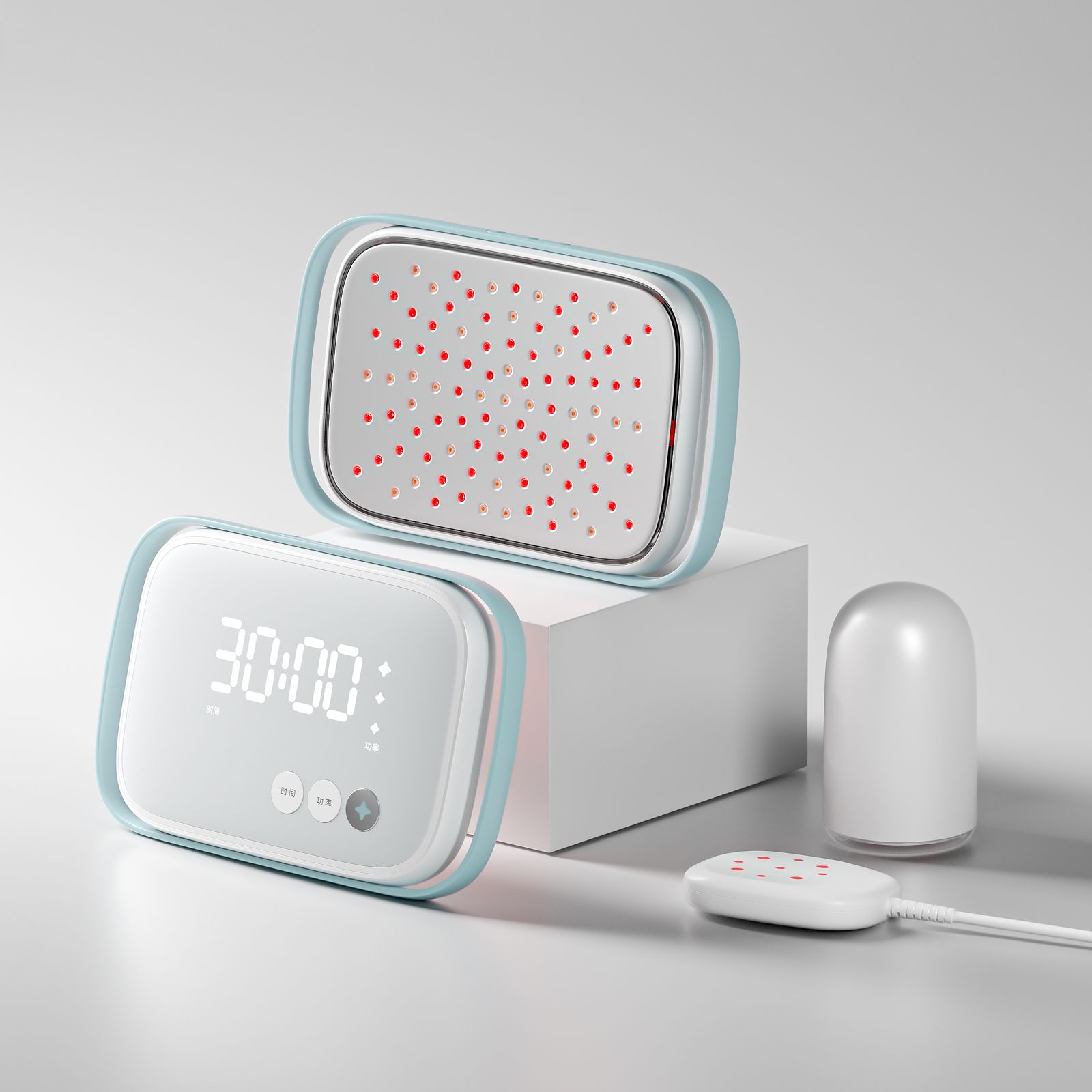
Modern laser systems rely on a sophisticated interplay of optics, electronics, and precision engineering to deliver consistent, high-quality results. At the core, advanced beam shaping technologies ensure that energy is distributed exactly where it's needed, minimizing collateral effects and enhancing performance. This isn't just about raw power; it's about intelligent control that adapts to varying materials and conditions in real time, setting a new standard for reliability.
What truly distinguishes these systems is the integration of closed-loop feedback mechanisms. Sensors monitor key parameters thousands of times per second, automatically adjusting pulse duration and intensity to maintain optimal interaction with the target. This self-correcting approach not only improves outcomes but also extends equipment lifespan by preventing unnecessary stress on components. The result is a seamless marriage of speed and precision that feels almost intuitive in operation.
Beyond the hardware, the software driving these platforms introduces a level of customization that was once unimaginable. Intuitive interfaces allow operators to tailor beam characteristics to specific applications without deep technical expertise. From delicate medical procedures to heavy-duty industrial cutting, the underlying algorithms learn and optimize over time, turning raw potential into measurable success. It's this blend of smart design and adaptive intelligence that quietly redefines what's possible.
A Clear Guide to the Laser Treatment Experience
Walking into the clinic for laser treatment can feel a bit like stepping into the future—goggles on, a cool gel applied, and then a series of quick, bright flashes. Most sessions are surprisingly fast, often lasting under 30 minutes for smaller areas. You might feel a slight tingling or snapping sensation, like a rubber band lightly hitting the skin, but numbing cream can take the edge off if needed. The real surprise? There’s minimal downtime, so you can often head right back to your day with just some mild redness that fades within hours.
The days following your session are where the real magic happens. Your skin starts to show subtle improvements—freckles might darken slightly before flaking away, fine lines soften, and that stubborn patch of discoloration begins to even out. It’s not an overnight miracle, but a gentle, progressive shift that makes you do a double-take in the mirror after a week or two. Staying diligent with sunscreen is non-negotiable; freshly treated skin is more sensitive to light, so a broad-spectrum SPF becomes your best friend for the coming weeks.
Most people find the experience easier than expected, and the results build with each session. The key is consistency and trusting the process. A light moisturizing routine, avoiding harsh exfoliants, and resisting the urge to pick at any dry patches will help your healing stay on track. By the time you’re through your recommended rounds, you’ll wonder why you ever hesitated—it’s a straightforward path to skin that feels fresher and looks more luminous.
Faster Recovery, Fewer Complications: The Real-World Edge
Patients who choose modern treatment approaches often notice a tangible difference in how quickly they return to their daily routines. Rather than spending weeks confined to bed or waiting out persistent side effects, many find themselves resuming light activities within days. This isn’t just a matter of convenience—it reflects how carefully tailored care can minimize stress on the body while preserving healthy tissue, directly influencing the speed of healing.
Complication rates also tell a compelling story. Advanced techniques, refined through years of clinical practice and feedback, have dramatically lowered the incidence of postoperative infections, unintended damage, and lingering discomfort. Beyond the numbers, this shift means fewer follow-up visits, reduced reliance on pain medication, and a dramatically smoother emotional recovery. When the risk of setbacks is genuinely lower, patients approach treatment with a confidence that fundamentally changes their experience.
What truly sets apart today’s most effective methods is the way they integrate these benefits into the broader picture of a patient’s life. A quicker return to work or family obligations, combined with a gentler healing process, creates a ripple effect that extends well beyond the clinic. It’s not about bold promises but about consistent, real-world outcomes that allow people to move forward without being defined by their treatment journey.
Beyond the Clinic: Sustaining Prostate Health Post-Treatment
Life after prostate treatment often shifts from intensive clinical visits to a quieter, more personal rhythm of self-care. The habits you build at home—what you eat, how you move, and the way you manage stress—can shape your recovery in subtle but meaningful ways. Gentle exercise, like walking or pelvic floor routines, helps restore strength without overtaxing a healing body. Nutrition also plays a quiet role; meals rich in vegetables, lean proteins, and anti-inflammatory foods can support tissue repair and overall resilience. This isn't about rigid rules but about discovering what makes you feel more like yourself again.
Sexual health and continence often linger as private concerns long after treatment ends. Many men find that progress is gradual, and setbacks are part of the journey—not a sign of failure. Specialized pelvic floor therapy, simple daily practices, or even open conversations with a partner can ease the frustration that often goes unspoken. It’s also worth remembering that intimacy and confidence are shaped by more than physical function; emotional closeness and patience often carry the greatest weight. Small, consistent efforts tend to compound, and many men are surprised by how much improvement is possible months or even years down the line.
Beyond the physical, the mental landscape after treatment deserves just as much attention. Anxiety about recurrence, shifts in body image, and the lingering fatigue of a long medical journey don’t simply disappear with the last appointment. Connecting with others who have walked a similar path—whether through support groups, trusted friends, or even online communities—can dissolve some of the isolation. Mindfulness, nature, or creative outlets might seem like soft medicine, but they often soothe the nervous system in ways that pills cannot. Sustaining prostate health post-treatment is less about chasing a perfect outcome and more about nurturing a sustainable, compassionate relationship with your body and mind.
Selecting a Provider for Expertise and Lasting Relief
When seeking specialized care, the depth of a provider's experience often makes the difference between temporary fixes and solutions that truly endure. Look beyond surface-level credentials; real expertise reveals itself in how a professional approaches complex cases, tailors strategies to individual circumstances, and adapts when standard methods fall short. A skilled practitioner doesn't just follow a script—they draw from a reservoir of hands-on knowledge to navigate nuances that textbooks rarely cover.
Equally important is the provider's commitment to long-term outcomes rather than quick results. Lasting relief typically requires a careful balance of immediate intervention and sustainable planning. Pay attention to how thoroughly they assess underlying causes, the transparency of their communication, and their willingness to adjust course based on your feedback. The right fit feels like a partnership, where your goals are genuinely integrated into every phase of care.
Finally, trust your instincts when evaluating how well a provider listens and responds. Expertise devoid of empathy often leads to impersonal, formulaic care. The most effective practitioners combine technical mastery with an authentic desire to understand your unique situation. This blend not only fosters better decisions in the moment but also builds a foundation for relief that continues long after formal sessions end.
FAQ
Laser therapy stands out because it targets tissue with remarkable precision, sparing surrounding structures. This minimizes bleeding, shortens recovery time, and often allows for outpatient procedures—a stark contrast to traditional surgery. Patients frequently experience less discomfort and a quicker return to daily life, making it a practical option for many.
When clinical teams emphasize strict protocols, advanced imaging guidance, and tailored planning, outcomes improve noticeably. High-quality execution reduces complications like incontinence or strictures, preserves erectile function more reliably, and boosts long-term symptom relief. It’s the difference between just doing a procedure and truly optimizing a patient’s well-being.
Beyond the finer control and reduced blood loss, laser therapy often means a catheter stays in for only a day or two, if at all. The risk of infections drops, and many men see immediate urinary flow improvement. For those on blood thinners, it can be safer, too, since lasers can coagulate as they treat.
Men with larger glands or those needing a quick recovery for work or travel often benefit greatly. It also suits patients wanting to avoid general anesthesia or those at higher surgical risk. However, candidacy depends on anatomy and specific condition—something a urologist can clarify after evaluation.
Under real-time ultrasound or direct vision with a scope, the surgeon navigates with hairbreadth accuracy. The laser fiber ablates or enucleates obstructive tissue while sealing blood vessels immediately. Continuous monitoring of power settings and tissue response prevents overheating or damage beyond the target zone.
Most men go home the same day and can walk comfortably within hours. Mild bladder irritation and urgency might linger for a week or two, but heavy lifting is off the table for about a month. Sexual activity typically resumes after a brief healing period, with erectile function often preserved.
Regular check-ups track urinary flow rates, post-void residuals, and symptom scores. Any early signs of narrowing or regrowth can be addressed promptly. Lifestyle tweaks—like pelvic floor exercises or fluid timing—complement the physical gains. This partnership between patient and provider keeps outcomes durable.
Conclusion
Laser therapy for prostate conditions has gained significant traction among both patients and urologists, and for good reason. Unlike traditional surgical approaches that often come with lengthy recovery periods and a higher risk of side effects, modern laser techniques offer a minimally invasive alternative that targets only the overgrown tissue while preserving healthy surrounding structures. This precision is made possible by advanced technologies such as holmium and thulium lasers, which deliver concentrated energy to vaporize or enucleate obstructive tissue with remarkable accuracy. The procedure itself is typically performed on an outpatient basis, allowing patients to return home the same day without the need for a prolonged hospital stay. From the patient’s perspective, the experience is less intimidating: general anesthesia is often not required, and post-operative discomfort is notably reduced compared to conventional resection methods.
The real-world advantages extend well beyond the operating room. With faster healing times and fewer complications like incontinence or erectile dysfunction, men can resume daily activities and enjoy an improved quality of life sooner. However, achieving these optimal outcomes also depends on diligent follow-up care and lifestyle adjustments after treatment, such as staying hydrated, practicing pelvic floor exercises, and attending regular check-ups to monitor prostate health. Equally crucial is choosing a provider who not only has deep experience with laser systems but also takes a personalized approach to care, ensuring that the treatment plan aligns with the patient’s specific anatomy and long-term wellness goals. When technology, skillful execution, and comprehensive aftercare come together, laser prostate therapy truly delivers lasting relief and high-quality results.
Contact Us
Contact Person: Leon Yi
Email: [email protected]
Tel/WhatsApp: +86 17363316873
Website: https://zzgt.en.alibaba.com/