

Metering Unit Factory: Precision Manufacturing for Smart Utilities
2026-05-18
In the rapidly evolving landscape of smart utilities, precision metering is the cornerstone of efficiency and sustainability. At the heart of this transformation lies the manufacturing excellence of Fanchang Machinery, a name synonymous with cutting-edge metering unit production. Discover how their relentless pursuit of accuracy and innovation is reshaping the way we measure and manage vital resources.
The Core of Advanced Meter Manufacturing
Advanced meter manufacturing hinges on the synergy between precision electronics and reliable sensing technologies. Every component, from the current transformer to the microcontroller, must be sourced and assembled with minimal tolerance for error to ensure long-term accuracy under varying environmental conditions.
Beyond hardware, the real backbone is the automated calibration and testing process. Each meter undergoes rigorous multi-point verification across temperature and load spectra, often using AI-driven diagnostic tools that catch anomalies before they leave the factory. This integration of automation with strong quality management systems defines the industry's drive toward robust and interoperable smart metering solutions.
From Concept to Component: Our Engineering Approach
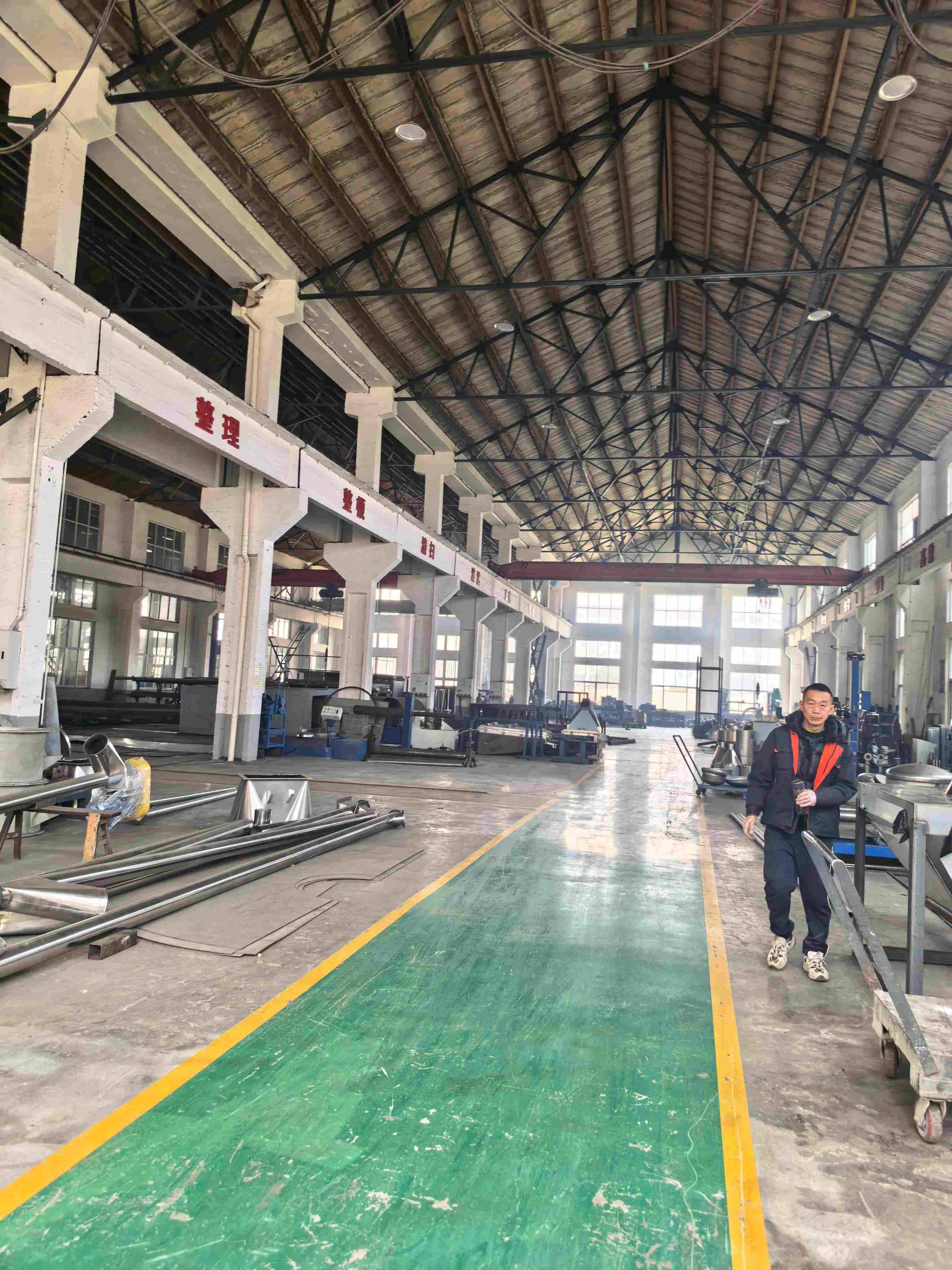
We treat every project as a dialogue between imagination and feasibility. The journey begins not with a blueprint, but with a question: what problem are we truly solving? Small, cross-disciplinary teams gather around whiteboards—not to defend territory, but to tear apart assumptions. Sketching, arguing, and prototyping happen in rapid cycles, often within the same afternoon. The goal isn’t polish; it’s clarity. If an idea can’t survive a five-minute critique, it doesn’t deserve a CAD model.
Once a concept passes the “coffee test”—meaning we’d bet our own money on it—it moves into what we call rugged prototyping. This isn’t about pretty renders. We build functional, intentionally flawed physical or digital mockups and then stress them until they break. Failure here isn’t a setback; it’s data. Each crack, each performance gap teaches us something no simulation could predict. Engineers work side by side with end users during these trials, observing not just what breaks, but why someone might tolerate the break. Those insights feed back directly into the design before any commitment to tooling or code freezes.
The final translation from prototype to production-ready component is quiet and deliberate. No dramatic handoffs—just a gradual hardening of tolerances, materials, and processes. We preserve the soul of the original idea while stripping away everything fragile. The result is a component that feels obvious in hindsight, as if it couldn’t exist any other way. But that’s only because we did the invisible work of navigating the messy space between a sketch on a napkin and a thing that actually works in the real world.
Materials and Methods That Set Us Apart
Our approach to materials sourcing isn’t just about ticking boxes on a sustainability checklist. We’ve built direct relationships with small-scale producers who share our obsession with quality, often to the point of irritating their competitors. This means every bolt of fabric, every jar of pigment, has a story we can trace back to its origin—sometimes with a few good laughs from the producer about how we drive them to hold the highest standards.
In the studio, our methods combine old-world patience with a refusal to accept the limitations of conventional machinery. We’ve modified our equipment so often that our technicians joke it’s a ship of Theseus situation. The result is a production line where no two days are quite the same, but every day yields something genuinely distinct. Mistakes here aren’t failures; they’re often the starting point for our next breakthrough.
Quality Assurance Beyond Industry Standards
Our approach to quality isn’t about checking boxes or meeting the bare minimum. It’s a mindset that runs deeper than standard protocols—pushing past what’s expected to what actually ensures durability, safety, and performance in the real world. We’ve built our own benchmarks that often leave industry norms behind, because we know that true reliability isn’t found in a manual.
Instead of relying solely on routine inspections, we blend hands-on testing with a near-obsessive attention to materials and workmanship at every stage. Our teams don’t just follow procedures; they question them, refine them, and catch potential flaws that a checklist might miss. This human layer of scrutiny, combined with intelligent monitoring, creates a quality net that catches what others overlook.
The result is a track record that speaks quietly but convincingly—fewer failures, longer lifecycles, and a trust that clients feel rather than just hear about. We’ve simply made quality so integral that it becomes invisible, something you notice only by its absence elsewhere.
Customization Capabilities for Modern Utilities
Modern utility platforms are no longer monolithic, one-size-fits-all solutions. They empower operators to tailor interfaces, analytics dashboards, and alert thresholds to the unique rhythms of their infrastructure. From drag-and-drop workflow builders that require zero coding to granular role-based access controls, the emphasis is on putting adaptable tools directly into the hands of those who know the grid best.
Behind the scenes, these customization layers extend to data ingestion and integration protocols. Teams can define custom mapping rules for disparate sensor networks, create bespoke reporting templates that align with internal KPIs, and even adjust machine learning model parameters without vendor dependency. This flexibility ensures that as operational philosophies evolve, the utility’s digital backbone evolves with them—no expensive rip-and-replace cycles needed.
Perhaps most critically, modern customization means the ability to rapidly reconfigure field workflows in response to real-world events. Whether it’s adding new inspection checklists during a storm season or adjusting load-balancing strategies for a sudden shift in renewable input, the system adapts through intuitive configuration panels, not lengthy development sprints. Agility becomes a core feature, not an afterthought.
Future-Ready Production for Evolving Grids
Modern manufacturing frameworks are being reshaped by the volatility of renewable-heavy grids. Production lines can no longer assume steady, predictable power flows; instead they must synchronize with real-time availability, leaning on adaptive scheduling and localized storage to cushion against sudden dips. This shift demands equipment that communicates with grid signals, adjusting cycle times or shifting energy-intensive tasks to periods of abundance—turning fluctuation from a liability into a cost advantage.
The digital backbone of this transformation lies in tightly integrated control systems that anticipate grid behavior rather than simply react. Advanced metering and predictive algorithms enable factories to treat energy as a variable input, fine-tuning operations on the fly. Meanwhile, on-site generation and microgrids increasingly blur the line between consumer and prosumer, allowing production hubs to both draw from and contribute to the wider network, smoothing regional demand peaks without sacrificing output.
Achieving true future-readiness also means cultivating a workforce fluent in both operational technology and energy analytics. As grids become more dynamic, production teams must interpret consumption patterns and adjust strategies in real time. This convergence of industrial know-how and energy intelligence doesn't just build resilience—it unlocks new efficiencies that traditional, rigid processes could never capture, ensuring that factories remain agile no matter how the generation mix evolves.
FAQ
The factory concentrates on high-precision production of metering devices tailored for smart utility systems.
They are essential for smart water, gas, and electricity networks that demand accurate usage monitoring.
Through fully automated calibration rigs and multiple inspection checkpoints integrated into the production line.
Absolutely, the engineering group collaborates directly with operators to design and build specialized units from concept to deployment.
We mainly use hardened stainless steel and advanced composite polymers that resist environmental wear and chemical exposure.
Each device includes embedded communication hardware capable of real-time data transmission over both wired and wireless protocols.
The facility is certified under ISO 9001:2015 and adheres to several utility-grade standards for metrology and durability.
Routine production runs ship in about 4 to 6 weeks, with priority scheduling available for urgent requirements.
Conclusion
At the heart of our metering unit factory lies a commitment to precision that defines every stage of advanced meter production. We don’t simply assemble components; we engineer solutions from concept to component, blending rigorous R&D with a manufacturing philosophy that treats each meter as a critical node in the smart grid. Our approach marries innovative materials—carefully selected for durability in harsh utility environments—with proprietary methods that enhance measurement accuracy and operational longevity. This fusion of engineering insight and material science sets us apart, ensuring that every unit delivered embodies the core reliability that utilities demand.
Beyond core manufacturing, our factory embeds quality assurance that exceeds conventional industry standards, employing real-time diagnostics and stress-testing protocols that simulate decades of field service. This relentless focus on quality is paired with deep customization capabilities, allowing us to tailor meters to the unique protocols, communication interfaces, and form factors of modern utilities. As grids evolve toward greater decentralization and resilience, our production lines remain future-ready, designed to scale and adapt without compromising the meticulous craftsmanship that smart utilities require. It’s this blend of bespoke engineering, uncompromising quality, and forward-looking agility that makes our factory not just a supplier, but a strategic partner in the energy transition.
Contact Us
Contact Person: Darye WANG
Email: [email protected]
Tel/WhatsApp: 86-13501017897
Website: https://www.fcntd.com/