

OEM Cosmetic Tubes Are the Custom Packaging Upgrade Your Beauty Brand Needs
2026-11-16
If your beauty brand still relies on plain stock tubes, you're leaving shelf impact on the table. Custom cosmetic tubes do more than hold product—they shape how customers feel the moment they touch your packaging. From matte soft-touch finishes to precise color matching and slim profiles, the right tube turns everyday skincare into a tactile brand statement. Sanrong Packaging specializes in OEM cosmetic tubes that help independent labels and established brands alike stand out without overcomplicating production. Here's what to consider before your next packaging upgrade.
Why Off-the-Shelf Tubes Work Against Your Brand Story
Generic tubes carry generic expectations. When a customer holds your product, the tube is often the first physical touchpoint—the thing they twist open, squeeze, or set on a shelf. An off-the-shelf shape sends a quiet signal: this could be anyone’s. It erases the small details that make your formula feel considered, from the softness of the shoulder curve to the friction of the cap. Those aren’t decorative choices. They’re narrative choices, and a stock component rarely tells the same story your lab or studio spent months refining.
There’s also a practical mismatch. Standard tubes are designed to be average across many categories, which means they’re excellent at being unremarkable. The diameter may fight your viscosity. The label panel might buckle under your art direction. The orifice could demand more pressure than your product should ever need. Each small compromise becomes a silent edit to your brand—cutting the very texture, scent, or ritual you promised. Over time, customers notice, even if they can’t name why the experience feels thinner than the brand voice.
Custom packaging, by contrast, lets the container repeat the promise. A slightly narrower waist, a matte shoulder, a cap with a weighted click—these details make the tube behave like an extension of the formula. That’s what off-the-shelf cannot do: it cannot anticipate your ingredient feel, your color story, or the way a user’s thumb rests during application. When the vessel ignores those cues, the brand story becomes harder to believe, one squeeze at a time.
The OEM Tube Details That Instantly Signal a Premium Formula
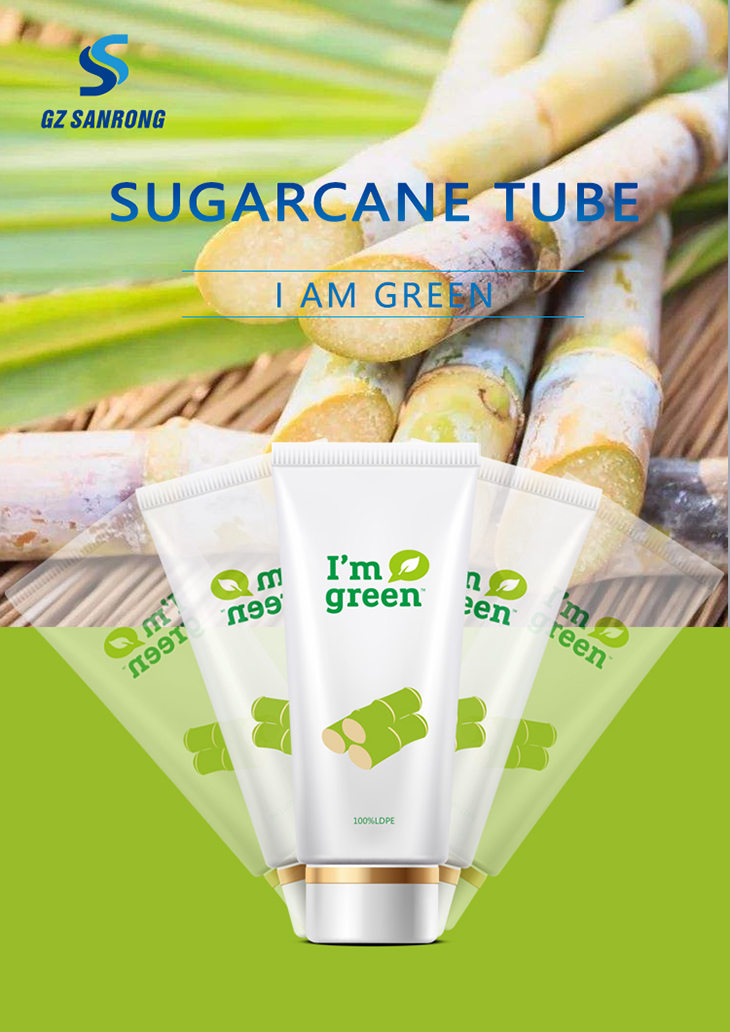
Run a thumb across the shoulder area before you read the ingredient list. On a genuinely high-end OEM tube, the transition from body to nozzle feels weighty, with a slightly thicker wall that doesn't buckle under pressure. The cap closure is quieter, too: it lands with a soft mechanical stop instead of a thin plastic snap.
The surface is the next signal. Premium runs tend to use a fine matte soft-touch coating with almost no chemical smell, and the printed artwork sits close to the edge without blur or halo. Under bright light, the color should look deep rather than glossy, and the film should resist smudging after a few seconds of handling.
Finally, check the crimp and orifice. A well-finished tube has a flat, even crimp line without stretching the print at the tail, and the opening is matched to the product viscosity—small enough to control dosing, wide enough to avoid air pockets when the first dose is dispensed.
How Custom Packaging Shifts the Way Customers Value Your Product
A plain mailer tells customers they bought an item. A box with a soft-touch finish, a fitted insert, or a printed interior tells them they bought something finished. When the package feels deliberate, the object inside picks up that intention. People read the weight of the lid, the resistance of the tissue, and the alignment of the logo as signals about how much care went into the product before they ever touch it.
That shift is rarely conscious. A heavier board or a muted color palette can raise the mental price point of a small accessory because it borrows cues from categories where detail is expensive. Once the unboxing feels closer to a ritual than a task, the customer starts assigning value to the whole moment rather than the materials alone. The product no longer has to justify itself on function; the packaging has already framed it as a considered object.
Packaging also changes how the product is remembered and shared. A distinctive texture or an unusual closure gives people something to mention, photograph, or keep. That small piece of design can turn a one-time purchase into a reference point, making the item feel more personal and harder to replace with a cheaper alternative.
Choosing Materials and Finishes That Protect Both Formula and Image
A container does more than hold a product; it can quietly change what is inside. Glass, aluminum, and certain high-density plastics each respond differently to light, heat, and repeated handling. Where a formulation contains fragile actives or botanical extracts, an opaque barrier or a UV-blocking tint may be the only thing standing between a fresh texture and premature oxidation. The finish matters just as much. Soft-touch coatings feel premium in the hand but can show wear quickly, while a matte anodized surface hides fingerprints without adding a heavy lacquer layer.
Balancing shelf appeal with functional protection usually means testing combinations rather than trusting supplier claims. A glossy outer coat may photograph beautifully but trap solvents or scratch under normal use, altering both the perceived value and the product's stability. Weight, closure style, and inner lining all contribute to the first impression and the last drop. Choosing materials with the formula's sensitivities in mind makes the packaging feel intentional rather than decorative, which is often what separates a product people keep from one they quietly replace.
Working With a Manufacturer Without the Usual Trial and Error
Finding a manufacturing partner who gets it right the first time rarely happens by accident. It starts with a level of detail that feels almost excessive on paper: exact material grades, tolerance ranges, surface finish callouts, packaging drop-test thresholds, and even the acceptable position of a parting line. When both sides agree on these specifics before tooling begins, the usual back-and-forth of “this isn’t what we meant” disappears. A shared reference sample or a clearly marked golden unit turns abstract notes into something people can hold, measure, and compare against.
The next shift is to treat early production as a controlled experiment instead of a pass-or-fail gamble. Run a small pilot batch under the same conditions as mass production, then pause to inspect, assemble, and stress-test before releasing the full order. Use that window to calibrate fixtures, adjust cycle times, or refine assembly jigs. This is not about adding more steps for the sake of it; it is about catching drift when it is inexpensive to correct. The manufacturer gets a clear baseline, and you get evidence rather than hope.
Communication habits make the process stick. Replace long email threads with a single living document that records every change, photo, and agreed tolerance. Set a standing call at the same time each week, but keep it short and focused on open items. When a problem appears, describe the failed condition and the measurement method instead of just saying “bad quality.” That small discipline turns what could be a blame conversation into an adjustment conversation, and it keeps both teams working from the same version of reality.
From First Impression to Daily Use: What a Custom Tube Changes
A custom tube starts changing things the moment someone picks it up. That first squeeze, the way the cap opens, the weight in the hand — none of it feels generic. It tells a small story about the brand before a single word is read. People notice when a product doesn't feel like it came off the same shelf as everything else, and that split-second judgment lingers.
Over days of use, the differences become practical. The tube doesn't slip in wet hands. The opening makes it easy to control how much comes out, so there's less waste and fewer messy rims. These aren't dramatic features, but they quietly shape how someone feels each morning or evening. A tube that works well becomes part of a routine rather than a minor frustration.
Then there's the quiet confidence that comes from using something clearly made for a specific purpose. The texture, the shape, even the sound of the cap clicking shut — small details that most products ignore. Once someone gets used to that, going back to an ordinary tube feels like a downgrade. That's what a custom tube really changes: not just the object, but the expectation tied to it.
FAQ
Off-the-shelf options force a brand to work around someone else's design, while OEM tubes let the packaging follow the product's identity. You can adjust the shoulder shape, cap style, orifice size, surface finish, and even the way the tube feels in someone's hand. That level of control changes the entire unboxing and daily-use experience rather than simply adding a logo to a generic container.
Smaller brands can absolutely use OEM tubes, especially with suppliers that offer flexible minimum order quantities. The key is finding a partner willing to scale the project to your production reality. Some manufacturers specialize in working with indie labels and can guide you toward material and decoration choices that keep costs reasonable without sacrificing a custom feel.
The customization goes well beyond printing a logo. Brands can specify tube diameter, length, material, barrier properties, nozzle shape, cap type, sealing method, color, gloss level, soft-touch coating, metallic effects, and decorative techniques like screen printing, hot stamping, or labeling. You can even alter the squeeze resistance and recovery of the tube to match the product texture.
Packaging is often the first physical interaction someone has with a beauty product. A custom tube with a considered cap, a pleasant matte or gloss finish, and a well-weighted squeeze can make a formula feel more expensive before it is even applied. Those tactile details also reinforce brand memory and can turn a routine product into something people reach for more willingly.
It helps to know the formula's viscosity, target fill volume, preferred tube capacity, desired look or finish, and any compatibility concerns such as sensitive actives or high fragrance loads. Reference images, rough dimensions, and a clear budget range can speed up the conversation. Even a simple sketch is more useful than a vague request for something premium.
Yes, many suppliers now offer recycled plastic content, mono-material structures that are easier to recycle, reduced layer counts, and designs intended for refill or reuse. The conversation should start with realistic priorities such as material availability, barrier needs, and end-of-life options rather than assuming every green claim works for every formula.
Custom tubes may have a higher upfront unit cost because of tooling, setup, and material selection, but stock packaging often creates hidden expenses in the form of label application, awkward fill volumes, and inventory that never feels quite right for the brand. A well-planned OEM program can reduce those inefficiencies and deliver a stronger perceived value that supports a higher retail price.
Many brands focus almost entirely on appearance and forget to test the tube with the actual formula. A closure that looks elegant may leak with a thinner serum, or a soft-touch coating may show fingerprints and wear quickly. Skipping compatibility samples or rushing into bulk production before filling a few trial tubes can lead to costly rework or packaging that fails in real use.
Conclusion
Stock tubes rarely match the nuance of a thoughtfully developed formula. A generic black-and-white design can make a slow-aged botanical serum feel interchangeable with a drugstore hand cream, erasing the details a founder spent months refining. Moving to OEM cosmetic tubes changes that arithmetic. You gain control over cap weight, orifice size, soft-touch coatings, and even the subtle resistance of the squeeze itself, all of which communicate a premium formula before a customer reads the ingredient list. That sensory shift also alters perceived value: when the packaging feels deliberate, buyers stop comparing your product on price alone and begin treating it as a ritual rather than a commodity.
Beyond the look, material and finish choices work together to protect both the formula and the brand's visual identity. Barrier layers keep active ingredients stable, while matte, glossy, or metallic accents let you align the tube with seasonal collections or a signature shade without starting from zero. A manufacturer that asks the right questions about fill temperature, viscosity, and compatibility can spare you the usual trial-and-error phase, so the first shipment arrives closer to ready than rough. By the time a customer reaches the last squeeze, the custom tube has already done its job, preserving the texture, scent, and color while making each daily use feel intentional. That is the kind of upgrade that sticks well after the first impression fades.
Contact Us
Contact Person: Alex Wu
Email: [email protected]
Tel/WhatsApp: 86-20-37965868
Website: https://www.gzsanrong.com/en.html