

Optimize Safety and Efficiency: High-Voltage Switchgear Factory Insights
2025-12-24
Welcome to another insightful exploration of industrial innovation, where we dive deep into the critical world of high-voltage switchgear manufacturing. In an era where electrical infrastructure demands both unwavering safety and peak efficiency, the stakes have never been higher for factories powering our modern grid. This blog uncovers the latest trends, challenges, and breakthroughs shaping this vital sector, offering a behind-the-scenes look at how top-tier operations achieve excellence. At the forefront of this evolution is Lugao, a brand synonymous with cutting-edge solutions that redefine industry standards. Join us as we unravel the secrets to optimizing safety protocols and boosting operational efficiency, providing actionable insights that could transform your approach. Whether you're a seasoned engineer or simply curious about the technology keeping our lights on, this is your gateway to understanding the future of high-voltage switchgear—where innovation meets reliability, and every detail matters.
Innovative Designs for Safer Electrical Distribution Systems
Advancements in electrical safety have led to groundbreaking designs that prioritize protection and reliability in modern distribution systems. Innovations like solid-state circuit breakers enable instantaneous fault detection and interruption, drastically reducing fire risks and equipment damage compared to traditional electromechanical versions. These systems leverage smart sensors and IoT connectivity to monitor load fluctuations in real-time, automatically isolating problematic sections before failures escalate. By integrating predictive analytics, operators can anticipate potential hazards like overheating cables or insulation degradation, allowing proactive maintenance rather than reactive repairs.
Another key development is the adoption of self-healing grid architectures, which use automated reconfiguration to minimize downtime during faults. In these systems, when a fault occurs, intelligent switches reroute power along alternative paths, often restoring service to affected areas within seconds—significantly enhancing resilience against storms or other disruptions. This reduces human intervention, lowers operational costs, and improves overall public safety by preventing extended blackouts that could compromise critical services like hospitals or emergency response systems.
Emerging materials and modular designs also contribute to safer distribution. For instance, insulated conductors with enhanced thermal resistance can withstand higher currents without degradation, while compact, sealed units reduce exposure to environmental contaminants like moisture or dust. These innovations not only boost efficiency but also lower the risk of electrical shocks and arc flashes, making installations safer for both technicians and end-users in diverse settings from industrial plants to residential neighborhoods.
Enhancing Operational Efficiency Through Advanced Switchgear Technology
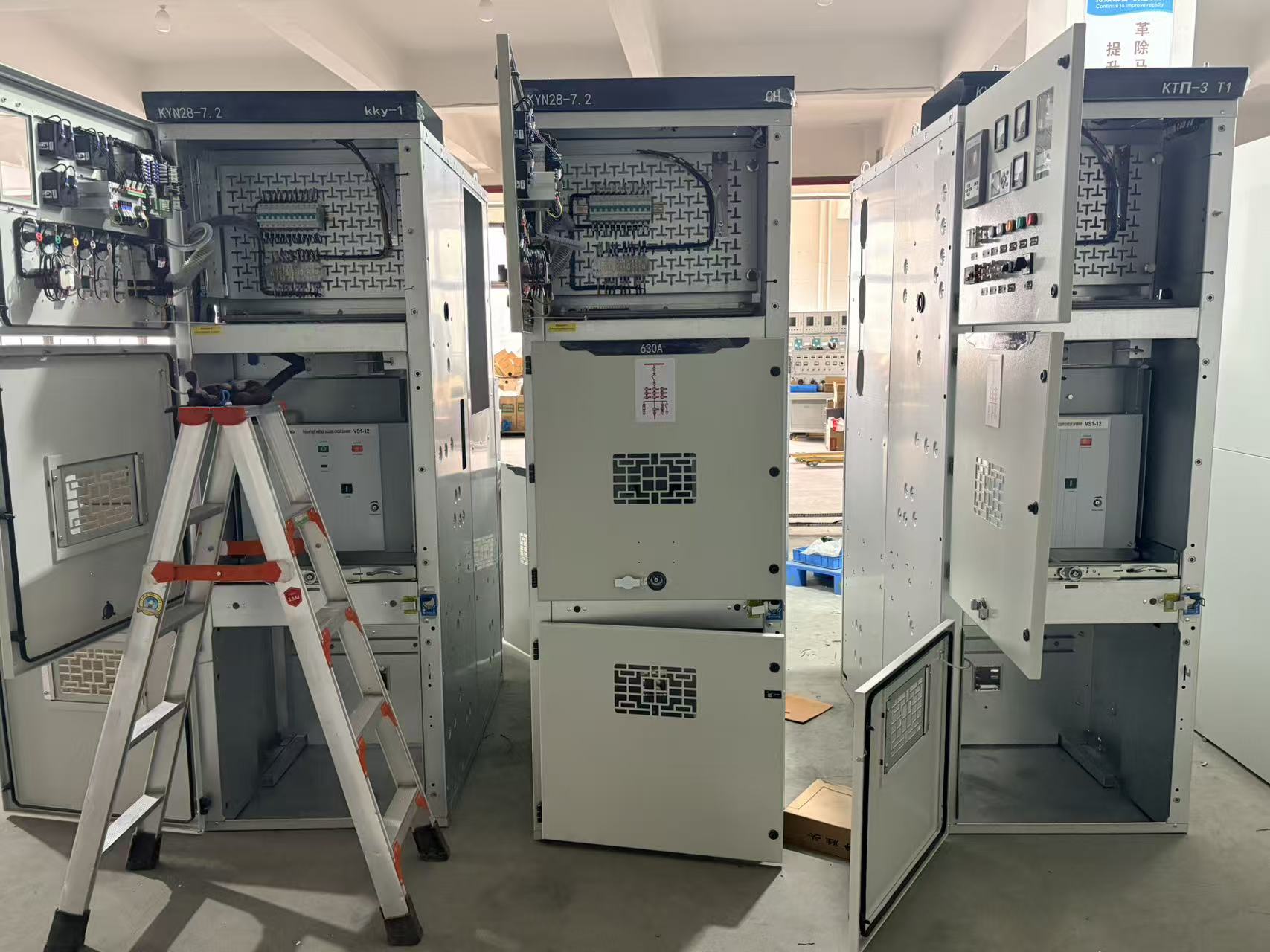
In today's rapidly evolving industrial landscape, operational efficiency isn't just a goal—it's a necessity. Advanced switchgear technology plays a pivotal role in streamlining electrical distribution networks, reducing downtime, and optimizing energy consumption. By incorporating innovative features like predictive maintenance alerts and adaptive load management, these systems empower facilities to anticipate issues before they escalate, ensuring smoother operations and minimizing costly disruptions.
What sets modern switchgear apart is its ability to seamlessly integrate with smart grids and IoT platforms. This connectivity allows for real-time monitoring and control, enabling operators to make data-driven decisions that enhance performance. For instance, automated fault isolation can reroute power in milliseconds, preventing cascading failures and maintaining supply reliability even under challenging conditions. This level of responsiveness not only boosts productivity but also extends equipment lifespan, leading to significant long-term savings.
Beyond basic functionality, cutting-edge switchgear solutions focus on customization and scalability. They can be tailored to specific industrial needs, whether it's a manufacturing plant requiring robust surge protection or a data center prioritizing energy efficiency. By adopting such technology, organizations gain a competitive edge, as streamlined operations translate to faster response times and improved resource allocation. In essence, advanced switchgear isn't just an upgrade—it's a strategic investment that transforms how businesses manage their electrical infrastructure.
Key Performance Metrics in High-Voltage Equipment Manufacturing
Manufacturers of high-voltage equipment must track several crucial performance metrics to ensure both safety and reliability in their operations. One key area is dielectric strength, which measures how well insulation materials can withstand electric stress without breaking down. By regularly testing this parameter, companies can predict potential failures and prevent costly outages or safety hazards. Another vital metric is partial discharge activity, often monitored through sensors embedded in transformers or switchgear. Elevated levels might indicate insulation degradation, prompting maintenance before catastrophic failures occur. These metrics aren't just numbers on a screen—they directly inform design improvements and operational protocols across the industry.
Beyond electrical properties, thermal performance metrics play a pivotal role in high-voltage manufacturing. Temperature rise under load is closely watched, as excessive heat can accelerate aging of components like bushings and conductors. Innovative cooling solutions, such as forced-air systems or advanced fluid dielectrics, are evaluated based on their ability to maintain stable temperatures. Additionally, manufacturers analyze power loss efficiency, particularly in transformers, where minimizing energy dissipation translates to lower operational costs and reduced environmental impact. Real-world case studies have shown that optimizing these thermal metrics can extend equipment lifespans by up to 20%, making them indispensable for sustainable manufacturing practices.
Finally, mechanical durability metrics ensure high-voltage equipment withstands physical stresses over decades of service. Vibration resistance is critical for components installed in seismically active areas or near heavy machinery. Manufacturers conduct accelerated life testing to simulate years of wear, focusing on metrics like contact erosion in circuit breakers or seal integrity in gas-insulated systems. By correlating these data with field performance, companies can refine material selections—for instance, adopting composite insulators over traditional porcelain for better crack resistance. This holistic approach to metrics transforms raw data into actionable insights, driving innovation that keeps grids resilient amidst growing energy demands.
Strategies for Reducing Downtime in Power Infrastructure
Ever had the lights flicker and wondered if your backup plan will kick in before the servers crash? That's the heart of cutting downtime in power systems – it's not just about having a plan, but making sure it's seamless. Proactive strategies here focus on things like real-time monitoring and predictive maintenance, so you can spot potential failures before they happen. For example, smart sensors on transformers can detect overheating trends weeks in advance, allowing maintenance crews to schedule repairs during low-demand periods without interrupting service.
Another game-changer is the use of modular and redundant components. Instead of relying on a single, massive generator that could take days to fix, many modern infrastructures deploy smaller, interconnected units. If one fails, others automatically pick up the slack, minimizing disruptions. This approach mirrors how cloud computing handles server outages – it's all about distributing risk and ensuring continuity through built-in backups that activate almost instantly.
Finally, don't overlook the human element: training and clear protocols. Even the best tech can falter if staff aren't prepared to respond quickly. Regular drills and updated emergency procedures ensure that when an outage does occur, teams know exactly how to reroute power or deploy temporary solutions, reducing recovery time from hours to minutes. It’s this blend of advanced tech and sharp human readiness that truly sets resilient power infrastructures apart.
Integrating Smart Monitoring Solutions for Proactive Maintenance
Integrating smart monitoring solutions transforms maintenance from reactive to proactive by continuously collecting data from equipment sensors and IoT devices. These systems analyze patterns in real-time, identifying subtle anomalies that might otherwise go unnoticed until a breakdown occurs. For example, in manufacturing, vibration sensors on machinery can detect early signs of wear, allowing for scheduled repairs during planned downtime rather than emergency fixes.
Beyond basic monitoring, these solutions leverage AI and machine learning to predict future failures based on historical data. This approach not only reduces unplanned downtime but also extends equipment lifespan by optimizing maintenance schedules. Industries like energy and transportation benefit from such predictive insights, where a single failure can lead to costly disruptions and safety hazards.
Implementation involves integrating these smart systems with existing infrastructure, often requiring custom configurations to suit specific operational needs. By fostering a culture of data-driven decision-making, organizations can achieve significant cost savings and improve overall reliability, making proactive maintenance a cornerstone of modern industrial efficiency.
Future Trends in Switchgear Safety and Energy Management
In the ever-evolving landscape of electrical infrastructure, switchgear safety and energy management are witnessing transformative advancements driven by digitalization and sustainability demands. One key trend is the integration of IoT sensors and AI algorithms, which enable real-time monitoring of switchgear conditions, predicting potential failures before they occur. These technologies not only enhance operational reliability but also minimize maintenance costs and downtime, creating a proactive approach to safety that goes beyond traditional reactive measures.
Another emerging direction is the shift toward eco-friendly materials and designs in switchgear construction, aimed at reducing environmental impact while maintaining high safety standards. Manufacturers are investing in arc-resistant and flame-retardant components, coupled with energy-efficient insulation, to support global energy conservation goals. This dual focus on safety and sustainability is reshaping procurement strategies and regulatory frameworks worldwide, pushing the industry toward greener, safer solutions.
Looking ahead, the adoption of smart grids and distributed energy resources will further revolutionize switchgear systems, allowing for more dynamic load management and resilience against grid disturbances. Advanced communication protocols, such as those in 5G networks, will facilitate seamless integration with renewable energy sources and storage systems. This evolution promises not only improved safety through automated fault detection but also optimized energy flows, empowering utilities and consumers to achieve greater efficiency and carbon neutrality in the long term.
FAQ
Key safety considerations include proper insulation to prevent arc flashes, robust enclosures to contain faults, clear labeling for maintenance, and integration of safety interlocks that prevent access during operation. Compliance with standards like IEC 62271 ensures reliability.
Factories can adopt lean manufacturing to reduce waste, use energy-efficient motors and lighting, optimize material handling, and implement predictive maintenance. Digital twins for testing can cut energy use in R&D while maintaining strict safety protocols.
Data shows that proactive maintenance based on IoT sensor readings, such as monitoring temperature and partial discharges, can predict failures early. Modular designs also allow quicker repairs, slashing downtime by up to 30% in some cases.
Factories are shifting to SF6-free insulation gases to reduce greenhouse emissions, recycling metals like copper and aluminum, and using eco-friendly coatings. Energy-efficient processes and waste minimization programs further lower the environmental footprint.
Challenges include supply chain delays for specialized components and skilled labor shortages. Solutions involve diversifying suppliers, investing in automation for repetitive tasks, and offering training programs to upskill workers in advanced manufacturing techniques.
Digital tools like AI-based inspection systems detect defects faster than manual checks, while blockchain tracks components for traceability. Real-time data analytics ensure consistent quality, reducing recalls and enhancing customer trust.
It designs workstations to minimize ergonomic risks, uses intuitive interfaces for control systems, and implements clear safety training. This reduces human error, preventing accidents and boosting overall operational efficiency.
Conclusion
The article "Optimize Safety and Efficiency: High-Voltage Switchgear Factory Insights" delves into the critical aspects of modern electrical distribution systems, emphasizing how innovative designs are revolutionizing safety protocols. By integrating advanced switchgear technology, factories are not only enhancing operational efficiency but also implementing strategies to significantly reduce downtime in power infrastructure. These developments are supported by key performance metrics that ensure high-voltage equipment manufacturing meets stringent safety and reliability standards, ultimately creating a more resilient electrical grid.
Looking ahead, the integration of smart monitoring solutions enables proactive maintenance, allowing for real-time detection and resolution of potential issues before they escalate. This forward-thinking approach aligns with future trends in switchgear safety and energy management, fostering a sustainable and efficient power ecosystem. The insights from high-voltage switchgear factories highlight a holistic approach to optimizing both safety and efficiency, paving the way for more robust and intelligent electrical distribution networks worldwide.
Contact Us
Contact Person: Doreen
Email: [email protected]
Tel/WhatsApp: 8618057712366
Website: https://www.liugaopower.com/