
Optimizing OEM Cold Rolling Mill Performance with Advanced Engineering Solutions
2026-03-03
In the fast-paced world of industrial manufacturing, optimizing the performance of OEM cold rolling mills is paramount for achieving superior efficiency and quality. At GRM, we've pioneered advanced engineering solutions that not only address common challenges but also push the boundaries of what's possible. This blog delves into the pivotal strategies and cutting-edge innovations we employ to enhance your mill’s performance, reduce costs, and drive sustainable growth. Whether you're seeking to streamline operations or explore the latest technological advancements, our insights promise to ignite your curiosity and set the stage for a deeper exploration into engineering excellence.
Integrating Real-Time Data Analytics into Cold Rolling Operations
Steel mills have traditionally relied on periodic quality checks and historical data to manage cold rolling operations, leading to reactive adjustments and potential material waste. By implementing real-time data analytics, these facilities can now monitor every aspect of the rolling process—from temperature and pressure to vibration and speed—as it happens. This instant feedback allows operators to detect anomalies immediately, such as deviations in thickness or surface defects, enabling corrective actions that minimize downtime and scrap rates. For example, sensors embedded along the production line feed data into analytics platforms that visualize trends in real-time dashboards, empowering teams to make informed decisions on the spot rather than after-the-fact.
Beyond basic monitoring, advanced analytics can predict equipment failures before they disrupt operations. Machine learning algorithms analyze patterns in real-time data to forecast wear and tear on critical components like rollers and bearings. This predictive capability shifts maintenance from scheduled intervals to condition-based strategies, where repairs are timed precisely to prevent breakdowns. In one case study, a mill using this approach reduced unplanned downtime by over 30%, boosting overall efficiency and extending machinery lifespan. The integration of these insights into daily workflows transforms cold rolling from a static process into a dynamic, self-optimizing system that adapts to fluctuating demand and raw material variations.
The impact extends to product quality and sustainability, as real-time analytics fine-tune energy consumption and material usage. By continuously adjusting parameters like roll force and cooling rates based on incoming data, mills achieve more uniform steel grades with fewer defects, meeting stringent industry standards. This precision reduces the need for rework and conserves resources, supporting greener operations. As mills adopt cloud-based analytics platforms, they also gain scalability to handle growing data volumes, fostering collaboration across teams for continuous improvement. Ultimately, integrating real-time data isn't just a technological upgrade—it's a strategic move that enhances competitiveness in an industry where margins are tight and quality is paramount.
Customizing Control Systems for Enhanced Mill Efficiency
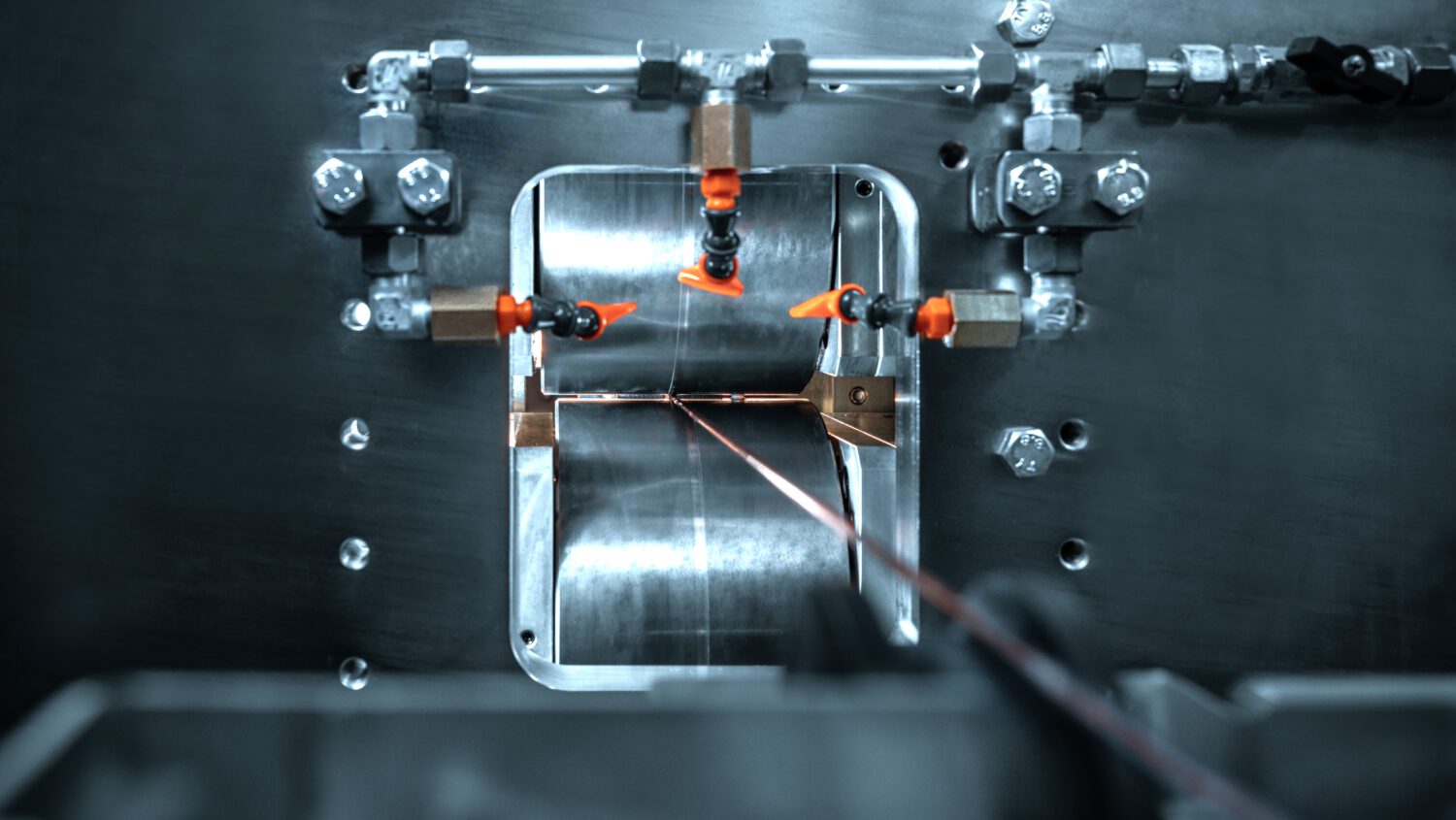
When it comes to boosting mill efficiency, a one-size-fits-all approach often falls short. Customizing control systems allows operators to fine-tune every aspect of the milling process—from material flow and temperature to pressure and speed—based on specific operational needs. By integrating real-time data analytics and adaptive algorithms, these tailored systems can predict and respond to fluctuations in raw material quality or environmental conditions, minimizing downtime and maximizing output. This proactive adjustment not only streamlines production but also reduces energy consumption, making mills more sustainable and cost-effective in the long run.
Beyond mere automation, advanced customization enables mills to implement predictive maintenance strategies that catch potential equipment failures before they escalate. Sensors embedded throughout the system monitor wear and tear, feeding insights into a centralized platform. This data-driven oversight helps schedule repairs during planned downtimes, avoiding unexpected breakdowns that can halt operations and drain resources. As a result, mill managers can maintain a steady production rhythm while extending the lifespan of their machinery, ensuring reliability without compromising on efficiency.
Moreover, customized control systems foster a competitive edge by allowing mills to adapt swiftly to market demands. Whether scaling up for peak seasons or adjusting for niche product lines, these systems offer the flexibility to reconfigure processes on the fly. By leveraging machine learning, mills can continuously optimize their operations, learning from past performance to refine future outputs. This dynamic approach not only enhances throughput but also improves product consistency, building a reputation for quality that sets the mill apart in an increasingly crowded industry.
Implementing Predictive Maintenance to Reduce Downtime
Predictive maintenance transforms how businesses manage equipment by anticipating failures before they happen, significantly cutting unplanned downtime. Instead of relying on routine checks or waiting for something to break, this approach uses real-time data from sensors and analytics to monitor machine health. For example, vibrations in a motor or unusual temperature spikes can signal potential issues, allowing teams to schedule repairs during planned maintenance windows. This not only prevents costly breakdowns but also extends the lifespan of assets, making operations smoother and more reliable.
Implementing this strategy involves integrating smart technologies like IoT devices and AI-driven software to collect and analyze data continuously. It shifts maintenance from a reactive to a proactive mindset, where decisions are based on actual conditions rather than fixed schedules. In industries like manufacturing or aviation, even minor improvements in uptime can lead to substantial savings and enhanced safety. By focusing on early warnings, companies reduce emergency repairs, minimize production delays, and foster a culture of efficiency where every piece of equipment is optimized for peak performance.
The real advantage comes from tailoring predictive systems to specific operational needs, using customized algorithms to spot patterns unique to each environment. It's not just about avoiding downtime; it's about building resilience and agility into daily processes. As businesses adopt these solutions, they often see a ripple effect—lower maintenance costs, better resource allocation, and improved customer satisfaction due to consistent service. In this way, predictive maintenance becomes a cornerstone of modern operational excellence, driving growth through smarter, data-informed choices.
Advancing Material Science for Superior Product Quality
Today's high-end manufacturers aren't just tweaking old formulas; they're reimagining materials from the ground up. By leveraging cutting-edge techniques like molecular-level simulations and additive manufacturing, teams can now design composites with previously unattainable properties—think ceramics that shrug off extreme heat while remaining lightweight, or polymers that self-heal minor scratches. This deep dive into material architecture isn't just academic; it directly translates to products that last longer, perform more reliably under stress, and meet ever-tightening regulatory standards without compromising on aesthetics or user experience.
Often, the leap in quality comes from surprising intersections of disciplines. For instance, insights from biomimicry have led to surface finishes that repel dirt effortlessly, mimicking lotus leaves, while advances in nanotechnology enable conductive inks for flexible electronics that won't crack after thousands of bends. By fostering collaboration between chemists, engineers, and data scientists, companies can prototype and test novel materials faster, iterating toward solutions that solve real-world problems—like reducing battery degradation in electric vehicles or creating packaging that keeps food fresher with less plastic.
Ultimately, pushing the frontiers of material science translates into a tangible competitive edge. Consumers notice when a smartphone feels more durable yet sleeker, or when athletic gear wicks moisture better without weighing them down. This relentless pursuit of innovation helps brands build trust and loyalty, as each product becomes a testament to thoughtful engineering. It's not just about meeting specs; it's about crafting experiences that feel premium and reliable, turning everyday items into showcases of how smart materials can elevate both form and function.
Streamlining Operations with Automated Workflow Solutions
In today's fast-paced business environments, automated workflow solutions offer a direct path to enhancing operational efficiency by reducing manual tasks and minimizing errors. By integrating these tools, companies can seamlessly manage processes like document approvals, customer onboarding, or inventory tracking, freeing up staff to focus on more strategic initiatives. The result is not just faster workflows but also improved consistency and scalability, allowing organizations to adapt quickly to changing demands without overburdening their teams.
What sets modern automation apart is its ability to customize workflows to fit specific business needs, rather than forcing a one-size-fits-all approach. Leveraging technologies such as AI and cloud platforms, these solutions can analyze data in real-time, provide actionable insights, and trigger automated responses. For example, in a retail setting, an automated system might automatically reorder stock based on sales trends or alert managers to potential supply chain disruptions, ensuring operations run smoothly with minimal human intervention.
Beyond mere efficiency gains, embracing automated workflows fosters a culture of innovation by empowering employees to engage in higher-value work. As teams shift away from repetitive administrative duties, they can contribute more creatively to problem-solving and customer engagement. This transformation not only boosts morale but also positions businesses competitively, as streamlined operations often lead to better resource allocation, cost savings, and enhanced service delivery that resonates with clients.
Leveraging Digital Twins for Faster Decision-Making
In today's rapidly evolving business landscape, leveraging digital twins can significantly enhance decision-making speed and accuracy. A digital twin is a virtual representation of a physical asset, process, or system, enabling real-time monitoring, simulation, and analysis. By using these models, organizations can preview potential outcomes, test scenarios, and identify bottlenecks before implementing changes in the real world. This approach reduces the time needed for trial-and-error processes and allows teams to make data-driven decisions with greater confidence, ultimately leading to more agile and effective operations across industries such as manufacturing, healthcare, and urban planning.
One key advantage of adopting digital twins lies in their ability to integrate diverse data streams into a cohesive, interactive environment. Sensors, IoT devices, and historical data feed continuous updates into the twin, providing a holistic view of performance and potential issues. With this rich information, decision-makers can quickly assess situations, such as predicting equipment failures or optimizing supply chains, and respond proactively. This real-time insight cuts through the noise of traditional reporting methods, enabling faster, more informed actions that prevent costly downtime and enhance overall efficiency. For instance, in manufacturing setups, this might mean adjusting production lines on the fly based on simulated scenarios.
Beyond operational tweaks, digital twins empower long-term strategic planning by offering a sandbox for innovation without real-world risks. Teams can experiment with new designs, processes, or business models in the virtual space, gathering feedback and refining approaches before deployment. This not only accelerates the innovation cycle but also fosters a culture of experimentation and resilience. As a result, businesses can stay ahead of competitors by rapidly adapting to market changes and customer demands, turning digital twins into a critical tool for gaining a sustainable edge in a fast-paced economy. The subtle shift from reactive to proactive management can redefine how organizations approach challenges and opportunities alike.
FAQ
OEM cold rolling mills often struggle with maintaining consistent thickness tolerances across varying material grades, reducing energy consumption without compromising output, and integrating new technologies while minimizing downtime. These challenges are exacerbated by rising operational costs and stricter environmental regulations, pushing operators to seek smarter, more adaptive solutions.
By incorporating real-time monitoring systems, adaptive control algorithms, and predictive maintenance tools, advanced engineering solutions optimize speed, pressure, and cooling parameters dynamically. This leads to reduced scrap rates, lower energy usage, and enhanced throughput, ensuring the mill operates at peak performance under diverse conditions.
Data analytics transforms raw operational data into actionable insights, identifying patterns in defects, wear trends, and energy spikes. Through machine learning models, mills can forecast equipment failures, fine-tune rolling schedules, and adjust parameters preemptively, boosting overall reliability and product quality.
Yes, solutions are tailored to factors like mill size, material types (e.g., steel, aluminum), and production volumes. Customization might involve modular software upgrades, specialized sensor placements, or hybrid mechanical-electrical retrofits, ensuring each implementation addresses unique operational gaps without a one-size-fits-all approach.
Manufacturers gain tangible advantages such as up to 15% energy savings, improved product consistency with tighter tolerances, extended machinery lifespan through reduced wear, and faster ROI due to minimized unplanned stoppages. These benefits directly enhance competitiveness and sustainability in global markets.
Integration focuses on retrofitting existing systems with non-invasive add-ons like IoT sensors, cloud-based platforms, and plug-and-play control modules. This phased approach allows gradual implementation, testing in live environments, and scalability, avoiding costly shutdowns while modernizing legacy equipment effectively.
Case studies show mills achieving a 20% reduction in material waste, a 10% increase in production speed, and a 25% drop in maintenance costs within the first year. For instance, a European steel plant reported better surface finish quality and fewer roll changes after deploying adaptive control systems, highlighting practical gains.
Looking forward, trends include greater adoption of AI-driven autonomous operations, integration of circular economy principles for material reuse, and enhanced cybersecurity for connected systems. Embracing these innovations early can position OEMs as leaders in efficiency and resilience.
Conclusion
To optimize OEM cold rolling mill performance with advanced engineering solutions, integrating real-time data analytics into cold rolling operations has proven transformative. By leveraging digital twins for faster decision-making and streamlining operations with automated workflow solutions, manufacturers can achieve unprecedented levels of efficiency and precision. This approach allows for continuous monitoring and adjustment, ensuring that every component of the mill operates at peak performance, while reducing manual interventions that often lead to inconsistencies.
Furthermore, customizing control systems for enhanced mill efficiency, coupled with implementing predictive maintenance to reduce downtime and advancing material science for superior product quality, creates a robust framework for sustained improvement. These strategies collectively address both operational and material challenges, fostering a proactive environment where potential issues are identified and mitigated before they escalate. Such integration not only boosts productivity but also elevates the overall reliability and output quality of cold rolling processes, positioning OEMs at the forefront of industrial innovation.
Contact Us
Contact Person: Rayna
Email: [email protected]
Tel/WhatsApp: 86 -173 1474 6343
Website: https://www.grmrollingmill.com/