

Porcelain Insulator Manufacturing: Ultimate Guide
2026-01-05
Welcome to our comprehensive guide on porcelain insulator manufacturing – an industry where precision, quality, and innovation converge. As you explore the intricate processes behind these essential components, you’ll discover how advanced techniques and decades of expertise shape the reliability of power systems worldwide. In this journey, we’re proud to highlight insights from Lugao, a leader in the field, whose commitment to excellence has set new standards. Whether you’re an engineer, a student, or simply curious about the hidden workings of electrical infrastructure, this guide will unveil the fascinating details that make porcelain insulators indispensable. Let’s dive in and uncover the secrets behind their durability, design, and impact on modern energy solutions.
Introduction to Porcelain Insulator Production Techniques
Producing porcelain insulators begins with the careful selection of raw materials, primarily kaolin clay, quartz, and feldspar, which are blended to achieve specific electrical and mechanical properties. The mixture is then kneaded and formed into the desired shapes using techniques like dry pressing or extrusion, where precision is key to ensuring uniform density and avoiding defects that could compromise performance. This initial stage sets the foundation for the insulator's durability, as any inconsistencies during forming can lead to weak points under high voltage stress.
Once shaped, the porcelain undergoes a controlled drying process to remove moisture without cracking, followed by glazing to enhance surface smoothness and resistance to environmental factors. The firing stage occurs in kilns at temperatures around 1200-1400°C, where vitrification transforms the material into a dense, non-porous ceramic with excellent insulating qualities. Quality control involves rigorous testing for thermal shock resistance and dielectric strength, ensuring each batch meets industry standards before moving to final assembly.
In modern production, advanced methods such as automated molding and real-time monitoring systems have streamlined these processes, reducing waste and improving consistency. Innovations like adding alumina to the mix can further boost mechanical strength, allowing for lighter designs without sacrificing reliability. By balancing traditional craftsmanship with cutting-edge technology, manufacturers create porcelain insulators that excel in demanding applications like power transmission, where longevity and safety are paramount.
Key Materials and Their Role in Durability
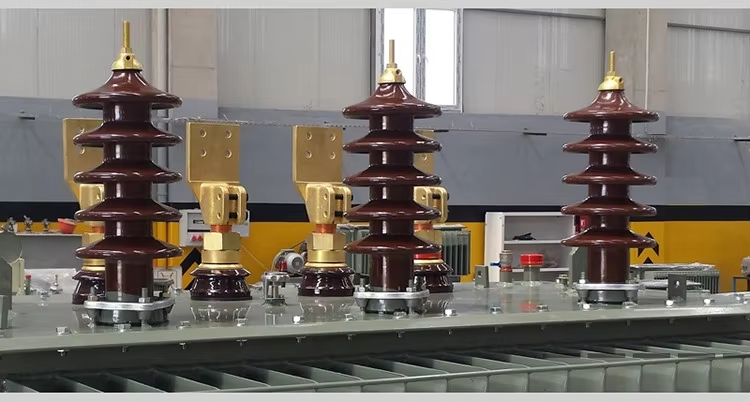
From stainless steel's resistance to corrosion in harsh environments to the rugged resilience of high-density polymers that withstand daily wear, the selection of materials fundamentally determines how long a product lasts. It's not just about picking the strongest option; designers must consider factors like thermal expansion, fatigue resistance, and compatibility with other components to ensure durability translates from prototypes to real-world use. This careful balancing act often involves specialized alloys or composites tailored to specific stress points, revealing that material science is as much an art as it is a precise calculation.
Beyond traditional choices, innovative materials like carbon fiber composites and ceramic coatings are redefining durability standards by offering exceptional strength-to-weight ratios and enhanced protection against abrasion. These advanced solutions aren't merely upgrades—they allow for lighter, more efficient designs without sacrificing longevity, enabling products to perform reliably in extreme conditions where older materials might fail. The integration of smart materials that self-heal or adapt to environmental changes further blurs the line between passive endurance and active resilience, pushing durability into new frontiers of functionality.
In practice, durability hinges on how materials interact over time under real-world stresses, not just in controlled lab tests. For instance, the synergy between rubber seals and metal frames in outdoor equipment can prevent moisture ingress and corrosion, while UV-resistant plastics avert degradation from sunlight exposure. By focusing on these subtle material interactions, manufacturers can craft products that not only survive but thrive through years of use, turning durability from a technical specification into a tangible user experience that builds trust and satisfaction.
Design Considerations for High-Voltage Applications
When tackling high-voltage applications, engineers often face a unique set of compromises that demand careful balancing across multiple domains. Unlike standard electrical designs, these systems require meticulous attention to insulation materials, spacing, and thermal management right from the schematic stage. Unexpected challenges, such as partial discharge or corona effects, can quietly emerge under certain conditions, making thorough testing and simulation indispensable before deployment. It's not merely about selecting components with higher voltage ratings; it's about anticipating how the entire assembly behaves under extreme electrical stress over time, often in harsh environments where reliability is non-negotiable.
One frequently overlooked aspect is the interaction between mechanical and electrical properties in high-voltage setups. For instance, vibrations or temperature fluctuations might subtly alter air gaps or insulation integrity, leading to performance degradation or safety hazards. Engineers must integrate robust mechanical supports and environmental seals while ensuring these don't inadvertently create hotspots or electrical leakage paths. This holistic approach helps prevent failures that standard low-voltage designs might weather easily but could be catastrophic in high-voltage contexts, emphasizing the need for cross-disciplinary collaboration during the design phase.
In practice, successful high-voltage applications often hinge on innovative material choices and layout strategies that minimize risk. Using advanced composites or custom-molded insulators can enhance durability, while clever routing of conductors away from sensitive areas reduces electromagnetic interference. Real-world feedback from field installations, such as in power transmission or medical equipment, shows that prioritizing simplicity and redundancy—like adding spare isolation stages or fail-safe mechanisms—can significantly boost longevity and safety, making the extra effort in design a worthwhile investment for critical operations.
Manufacturing Process from Raw Materials to Finished Products
Have you ever wondered how that stylish gadget in your hand or the sleek furniture in your home starts from mere raw materials? The journey from raw materials to finished products is a fascinating transformation, blending science, engineering, and creativity. It often begins with sourcing natural resources like metals, plastics, or wood, which are then refined and processed into usable forms. This initial stage sets the foundation, ensuring that every subsequent step builds on quality and integrity, much like crafting a masterpiece from a blank canvas.
Next, the processed materials move through assembly lines, where precision machinery and skilled hands come together to shape components. Imagine a symphony of robots welding parts or artisans carving intricate details, all orchestrated to bring designs to life. This phase emphasizes efficiency and customization, adapting techniques to meet diverse demands while minimizing waste, akin to tailoring a suit to fit perfectly from a bolt of cloth.
Finally, the near-finished items undergo rigorous testing and finishing touches, such as polishing, painting, or packaging, to ensure they meet high standards before reaching consumers. It's a meticulous process where attention to detail makes all the difference, turning functional pieces into objects of desire. This end stage reflects a commitment to excellence, much like a chef perfecting a dish before it is served, ensuring that every product not only works flawlessly but also delights in its final form.
Quality Control and Testing Standards in the Industry
In many fields, maintaining high standards isn't just a goal—it's a necessity that directly impacts everything from user safety to brand reputation. While some might think quality control is all about catching errors at the end, it's actually woven into every step, starting from design and material selection. This approach helps prevent issues before they arise, making the process more efficient and reliable. Different industries have their own specific tests; for example, in manufacturing, stress tests and durability checks are common, whereas in software, rigorous bug tracking and user experience reviews take center stage.
What's really exciting today is how technology is reshaping these old practices. Advanced tools like AI-driven analytics and automated testing systems are allowing companies to spot patterns and defects that humans might miss. This shift not only boosts accuracy but also speeds up the whole cycle, letting teams adapt quickly to new challenges. It's less about following a rigid checklist and more about creating a dynamic environment where continuous improvement becomes the norm, fostering innovation alongside consistency.
Beyond the technical side, there's a growing emphasis on collaboration across teams and even between organizations. Sharing best practices and standardizing methods can lead to higher industry-wide benchmarks, which benefits everyone from producers to end-users. Ultimately, robust quality control isn't just a set of rules—it's a mindset that values precision, adapts to change, and builds trust in every product or service delivered.
Innovations and Future Trends in Insulator Technology
The insulator field is buzzing with innovations that promise to redefine how we protect and transmit electrical energy. Advanced composite materials, such as silicone rubber hybrids, are making insulators lighter and more resistant to environmental stressors like UV radiation and pollution, extending their lifespan significantly. Additionally, the integration of smart sensors directly into insulator designs allows for real-time monitoring of performance metrics, enabling predictive maintenance and reducing unexpected failures in power grids.
Looking ahead, trends point toward the development of self-healing insulators that can automatically repair minor surface damages, leveraging nanotechnology to enhance durability without human intervention. Another exciting direction is the use of 3D printing to create custom-shaped insulators optimized for specific applications, which could streamline manufacturing and improve efficiency in complex installations. These advancements aim to make insulators not just passive components but active contributors to resilient energy systems.
In the future, expect to see greater emphasis on sustainability, with bio-based and recyclable materials emerging to reduce the environmental impact of insulator production. Research is also exploring how to integrate energy-harvesting capabilities, such as converting ambient heat into small amounts of power for embedded sensors. This convergence of material science, digital technology, and eco-conscious design holds the potential to transform insulators into intelligent, adaptive elements that support the evolving needs of global energy infrastructure.
FAQ
The manufacturing process begins by mixing clay, feldspar, and quartz into a raw material slurry. After refining, it's shaped through techniques like dry pressing or extrusion, then dried to remove moisture. The shaped pieces are fired in kilns at high temperatures to achieve vitrification, followed by glazing and a second firing to enhance durability and insulation properties. Quality checks ensure each insulator meets industry standards.
Porcelain is favored for its excellent electrical insulation, high mechanical strength, and resistance to weathering and temperature fluctuations. Its inorganic composition prevents degradation from UV exposure or chemical attacks, making it reliable in harsh environments where long-term performance is critical, such as power transmission lines.
Consistency is maintained through strict control of raw material quality, precise mixing ratios, and automated shaping processes like computer-aided molding. Regular sampling and testing for properties like dielectric strength and tensile resistance during production help identify deviations, ensuring each batch adheres to specified tolerances.
Producing large or intricate designs poses challenges such as avoiding cracking during drying and firing due to uneven shrinkage. Manufacturers address this by using specialized molds, controlled drying cycles, and incremental heating in kilns to minimize stress. Advanced techniques like slip casting are employed for complex geometries to maintain structural integrity.
Glazing adds a glass-like coating that seals the porcelain surface, enhancing resistance to moisture, dust, and pollution. This layer improves electrical insulation by preventing surface leakage currents and reduces weathering effects, thereby extending the insulator's service life in outdoor applications.
Recent innovations include the integration of nanotechnology to enhance material properties, such as increased mechanical strength and thermal stability. Automation and AI-driven quality control systems are streamlining production, while eco-friendly practices, like using recycled materials, are gaining traction to reduce environmental impact without compromising performance.
For low-voltage insulators, quality checks focus on basic insulation and mechanical standards. High-voltage insulators undergo more rigorous testing, including high-frequency voltage withstand tests, partial discharge measurements, and long-term aging simulations under extreme conditions to ensure safety and reliability in demanding grid applications.
Yes, customization is common. Based on application needs, such as industrial settings or coastal areas, manufacturers adjust material compositions, sizes, and glaze formulations. For instance, extra-thick glazing may be applied in polluted regions to prevent flashovers, ensuring optimal performance tailored to local conditions.
Conclusion
Porcelain insulator manufacturing combines traditional craftsmanship with modern engineering, beginning with raw material selection and production techniques that determine final quality. Key materials like alumina and silica are carefully processed to enhance durability, while design considerations focus on high-voltage applications, ensuring reliable performance under extreme conditions. The manufacturing process transforms these materials into finished products through precise steps, each stage critical to achieving optimal insulation properties.
Quality control and testing standards are integral, with rigorous checks applied throughout production to meet industry benchmarks. Innovations in technology drive future trends, such as improved materials and eco-friendly processes, pushing the boundaries of efficiency and safety. This guide highlights the intricate balance between material science, design, and manufacturing, offering a comprehensive overview for professionals seeking insights into porcelain insulator production.
Contact Us
Contact Person: Doreen
Email: [email protected]
Tel/WhatsApp: 8618057712366
Website: https://www.liugaopower.com/