Professional Tug Boat Mastery: Essential Insights for Maritime Operations
2026-06-26
Ever wondered what makes a tug boat operation truly seamless? It’s not just about raw power—it’s the blend of skill, timing, and the right support that turns potential chaos into smooth sailing. From harbor maneuvers to open-sea rescues, professional tug boat mastery is a game-changer. Dive into the essential insights that set the pros apart, and discover how Allheart delivers the expertise to keep you ahead.
The Unseen Art of Tugboat Handling: Captains' Trade Secrets
Most people see a tugboat as just a floating muscle, but the real craft lies in the hands of the captain who reads the water like a living thing. It’s not about horsepower alone—it’s about feeling the rhythm of the tide, the pull of a current, and the way a ship reacts before it even moves. A skilled captain doesn’t just push or pull; they dance with the vessel, using subtle nudges and bursts of throttle that an observer might miss.
One of the quiet secrets is the language of whistles and hand signals between tug and ship, often replacing radios when split-second timing matters. A captain learns to anticipate a vessel’s drift by watching how the wind catches its superstructure or how the bow wave curls off a nearby pier. Some even talk about a “third sense” for momentum, knowing exactly when to back off so the tow line doesn’t snap—a mistake that could cost lives.
What truly sets the veterans apart is how they train their crews to become an extension of their own instincts. The best captains pass down tricks that aren’t in any manual: how to read the boil of water around a propeller, or when to trust a gut feeling over an instrument panel. It’s a blend of patience and real‑time problem‑solving that turns a chaotic harbor maneuver into something seamless—a skill that only reveals itself after decades on the water.
Physics at Play: Mastering Bollard Pull and Towing Dynamics
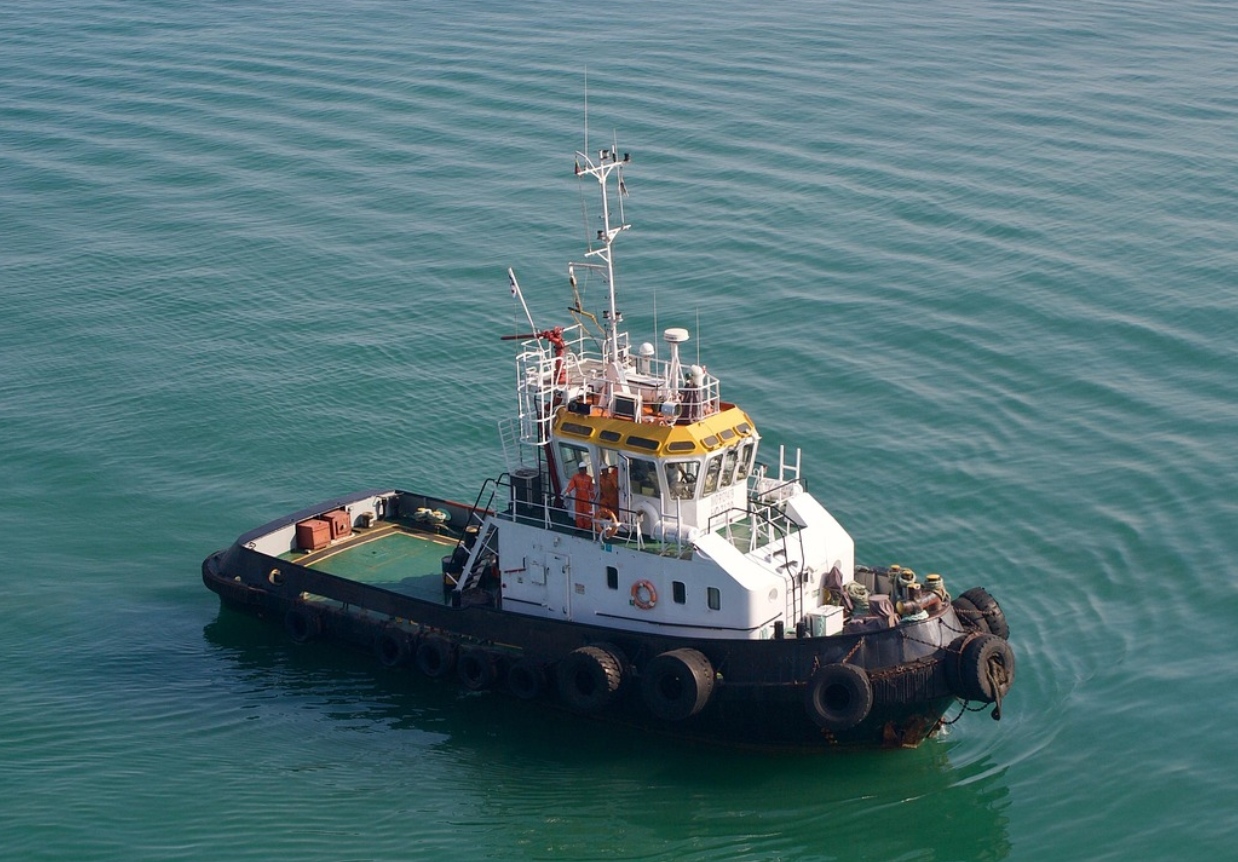
Understanding bollard pull and towing dynamics starts with the fundamental physics of thrust and resistance. When a tugboat exerts force, the water offers an equal and opposite reaction, which directly translates into the pulling power measured during a bollard pull test. This static measurement tells you the maximum thrust available, but real-world towing involves moving water, hull interactions, and dynamic cable tensions that change with speed and sea conditions.
The challenges emerge when forces don't add up linearly. As the tow begins, the tug's propeller wash interacts with the towed vessel's hull, often reducing effective thrust. Skilled operators must account for pivot points, lateral drift, and the catenary curve of the towline to maintain control. Mastering these elements means balancing engine output against hydrodynamic drag, ensuring that the bollard pull translates into safe, efficient towing without overstressing equipment or crew.
Ultimately, towing dynamics is about anticipating how forces shift during maneuvers. From breaking a ship's inertia to maintaining steerage in a following sea, each scenario demands an intuitive grasp of momentum, friction, and wave action. By respecting the physics at play—rather than relying solely on horsepower—operators develop a nuanced touch that turns raw power into predictable, controlled movement.
Narrow Channels, Big Challenges: Port Maneuvering Decoded
Sliding a massive vessel through a tight port channel is a ballet of physics and split-second judgment. Unlike the open sea, where there's room to recover from a miscalculation, these confined waterways leave no margin for error. Every turn must account for the ship’s momentum, the channel’s depth, and the unpredictable push of wind and current. Even a slight delay in engine response can mean the difference between a clean transit and a costly scrape against the quay.
What complicates matters is that no two ports are alike. One might have a dogleg entrance that demands a rapid series of course changes, while another might be plagued by silting that reduces under-keel clearance. Pilots and masters develop an almost instinctive feel for how their particular vessel behaves in these conditions — how it squats in shallow water, how the bow falls off in a gust. Charts and electronic aids help, but raw experience often writes the final script.
Technology has certainly changed the game, offering high-resolution position data and predictive tools that model the ship’s interaction with its surroundings. Yet these aids are only as good as the human interpreting them. The real art lies in blending sensor feedback with the subtle cues you can’t digitize: the sound of water rushing against the hull, the tension in a mooring line, the way the bow starts to swing just before the radar picks it up. In narrow channels, you read the water as much as the instruments.
The Human Factor: Crew Coordination in High-Stakes Operations
In the razor-thin margin between success and catastrophe, crew coordination isn't just a protocol—it's a living, breathing entity. High-stakes environments like surgical suites, firefighting crews, and cockpit teams reveal a common truth: the best checklists and procedures mean nothing if the humans wielding them can't sync their rhythms. Effective coordination hinges on psychological safety, where junior members feel empowered to voice concerns without fear of reprimand. When that trust erodes, the entire system becomes brittle, and silence can be the deadliest error.
Real-world incidents highlight how subtle breakdowns cascade. Consider a flight crew misinterpreting an automated alert not because they lacked knowledge, but because each assumed the other would catch it. Shared mental models—an unspoken, dynamic map of who knows what—are the glue that holds teams together. These models erode when roles blur, stress spikes, or communication turns ambiguous. The antidote isn't more rules, but deliberate practice under realistic pressures, where teams learn each other's instincts and non-verbal cues.
What separates resilient teams from fragile ones is often their ability to manage the unexpected without heroics. They use flattened hierarchies temporarily, letting expertise override rank when seconds count. They debrief honestly, studying near-misses with the same rigor as disasters. In these micro-societies, the human factor becomes a collective intelligence—one that can adapt, improvise, and hold steady even when plans fall apart.
Beyond the Bow: The Expanding Role of Modern Tugs
Modern tugs have evolved far beyond their traditional image of simply nudging or pulling vessels into berths. Today, these compact powerhouses are equipped with advanced propulsion systems, such as azimuth thrusters and Voith-Schneider cycloidal drives, enabling exceptional maneuverability in tight spaces and challenging conditions. Their role now encompasses a broad spectrum of tasks that demand precision, reliability, and versatility, making them indispensable assets in ports and offshore operations worldwide.
Beyond basic harbor assistance, tugs routinely serve as escorts for large tankers and container ships, standing by to control yaw and provide emergency steering in case of propulsion failure. Many are purpose-built for firefighting, boasting high-capacity pumps, water cannons, and foam systems that can tackle blazes on vessels or at terminal facilities. Additionally, their dynamic positioning systems allow them to hold station automatically, a crucial feature during offshore cargo transfers and personnel deployments.
In the offshore energy sector, tugs have taken on anchor handling, rig towing, and supply duties, often working in harsh environments far from shore. Some are configured for salvage operations, with heavy towing winches, dive support equipment, and oil spill response gear. This expanding skill set reflects a deliberate shift in maritime support, where tugs are no longer just brute-force tools but intelligent platforms capable of managing complex logistical and safety challenges across the marine industry.
Weathering the Storm: Safety Protocols That Save Lives
When the skies turn bruise-dark and the wind starts to howl, the only thing standing between you and disaster is preparation. It's not about stocking up on bread and milk like everyone else — it's about having a real plan. Know your evacuation routes, keep a go-bag with essentials like medications, documents, and a change of clothes, and don't forget about your pets. A little foresight turns what feels like chaos into something you can actually handle. Make sure every family member knows the drill, because when the storm hits, there's no time for second-guessing.
Once the storm is on top of you, the rules change. Stay indoors, away from windows, and resist the urge to watch the spectacle from the porch. Flying debris moves faster than you think, and even a sturdy-looking tree can become a missile. Keep a weather radio handy — phones die and cell towers fail. If you're in a flood-prone area, head to higher ground before the water rises; don't wait for an official order you might never hear. The difference between a close call and a tragedy often comes down to whether you listen to that gut feeling telling you to move now.
After the storm passes, the danger isn't over. Downed power lines, gas leaks, and contaminated water can turn a relief-filled morning into a new kind of nightmare. Walk carefully, watch for broken glass, and never drive through standing water — it's deeper than it looks and can hide washed-out roads. Check on neighbors, especially the elderly or those with disabilities, because a simple knock on the door could save a life. It's in these quiet hours, when the adrenaline fades, that community and caution make all the difference.
FAQ
Maneuvering a tug boat demands a blend of precise throttle control, situational awareness, and a deep understanding of hydrodynamics. Captains must master the art of using the vessel's power to push or pull massive ships, often in tight spaces, while accounting for wind, currents, and the inertia of the assisted vessel. Quick decision-making and seamless communication with the crew and pilot are equally vital.
A safe towing operation starts with thorough planning and equipment checks. The towline must be appropriately sized and inspected, and the connection points on both vessels need to be secure. During the tow, constant tension monitoring and clear radio communication between the tug and the ship's pilot are essential. Speed is adjusted gradually, and the crew remains alert to any signs of line failure or sudden movements.
In severe weather, a tug boat captain relies on experience and real-time weather data to make critical choices. They might seek sheltered waters or adjust the tow configuration to reduce strain. Reducing speed, doubling up on lines, and ensuring all deck equipment is lashed down become priorities. The captain also keeps the crew informed and ready for emergency maneuvers, often working with the assisted vessel to postpone operations if conditions become unmanageable.
Modern tug boats are equipped with advanced propulsion systems like azimuth thrusters and cycloidal drives, which allow 360-degree maneuverability. Dynamic positioning systems, high-resolution radar, and electronic chart displays enhance navigation precision. Towing winches with automatic tension control and CCTV for engine room monitoring are also standard, along with integrated bridge consoles that consolidate critical information for the operator.
Crew members typically need a Standards of Training, Certification and Watchkeeping (STCW) endorsement, with specific licenses for the vessel's size and operating area. Captains often hold a Master of Towing Vessels credential, while deckhands and engineers require relevant endorsements. Additional certifications in firefighting, first aid, and specialized towing operations are common, and many ports mandate local pilotage knowledge.
Accident prevention hinges on rigorous risk assessments and consistent crew training. Regular drills for line breakage, loss of propulsion, and man-overboard scenarios build muscle memory. Maintaining proper lookout, adhering to speed limits, and using clear, standardized communication protocols reduce human error. Routine equipment maintenance and a culture that encourages reporting near misses also play a crucial role.
Tug boats are the unsung workhorses of port logistics, guiding mega-ships through narrow channels and tight berths. They provide the necessary push or pull to counteract wind and current, ensuring vessels dock and undock without incident. Beyond harbor assistance, they often handle emergency response, firefighting, and escort duties for tankers or hazardous cargo carriers, making them indispensable for maritime safety and efficiency.
Conclusion
The art of tugboat handling remains one of maritime’s best-kept secrets, where masters translate invisible currents and subtle hull pressures into graceful vessel control. Beyond raw engine power, understanding bollard pull and towing dynamics transforms physics into a careful dance of force vectors and pivot points. This mastery becomes most evident when threading massive ships through narrow channels, where inches matter and split-second judgments turn potential collisions into routine berthings. At the heart of every successful operation lies crew coordination—a silent language of gestures and experience that no automation can replicate. Seasoned captains know that the real authority on the bridge comes not from rank but from the trust earned through countless precise maneuvers in sleepless harbors.
Today’s tugs have evolved far beyond their traditional push-pull roles, serving as firefighting platforms, salvage units, and environmental guardians—a testament to the expanding scope of maritime support. When storms test these vessels, survival hinges on ingrained safety protocols: securing watertight doors, maintaining engine readiness, and executing emergency separation procedures that save lives. The modern tugboat professional balances age-old seamanship with cutting-edge technology, ensuring that every line thrown and every engine command contributes to an operation where there is truly no room for error.
Contact Us
Contact Person: Benny Hu
Email: [email protected]
Tel/WhatsApp: +8618354225697
Website: https://www.allheartmarine.com/