

Strip Rolling Mills Supplier: Unveiling Advanced Solutions for Your Metal Processing Needs
2026-01-26
In the competitive world of metal processing, staying ahead means embracing cutting-edge technology and reliable partnerships. As industries demand higher precision, efficiency, and sustainability, the role of advanced strip rolling mills becomes increasingly crucial. Enter GRM, a leading supplier dedicated to transforming your production lines with innovative solutions tailored to modern challenges. This blog delves into how GRM's expertise can unlock new possibilities for your operations, from enhanced material quality to streamlined workflows. Discover what sets us apart and why forward-thinking companies trust GRM to drive their success in an ever-evolving market. Let's explore the future of metal processing together.
Innovative Strip Rolling Technologies for Enhanced Metal Processing Efficiency
Strip rolling has evolved from a purely mechanical process into a sophisticated engineering discipline, where novel technologies are continuously redefining efficiency benchmarks. For instance, the integration of predictive data analytics with adaptive control systems allows mills to adjust rolling parameters in real-time based on material properties and environmental conditions, minimizing waste and energy consumption. This approach not only boosts throughput but also enhances the metallurgical quality of the final product, ensuring superior surface finish and dimensional accuracy without compromising speed.
Advanced sensor technologies, such as high-resolution laser scanners and infrared thermography, enable unprecedented monitoring of strip behavior during rolling. These tools provide granular insights into temperature distribution, thickness variations, and potential defects, allowing operators to address issues proactively rather than reactively. By harnessing this data, mills can implement targeted interventions that reduce downtime and material losses, leading to a more streamlined and cost-effective operation that outperforms traditional methods.
Beyond monitoring, innovations like hybrid rolling systems—which combine conventional and electromagnetic or ultrasonic techniques—are pushing the boundaries of what's achievable. These systems leverage non-contact forces to manipulate material flow, reducing friction and wear on equipment while achieving finer tolerances. As a result, manufacturers can process a wider range of metals with greater precision, driving overall efficiency gains that translate into faster production cycles and reduced resource usage across the industry.
Customized Solutions from Leading Strip Rolling Mills Suppliers
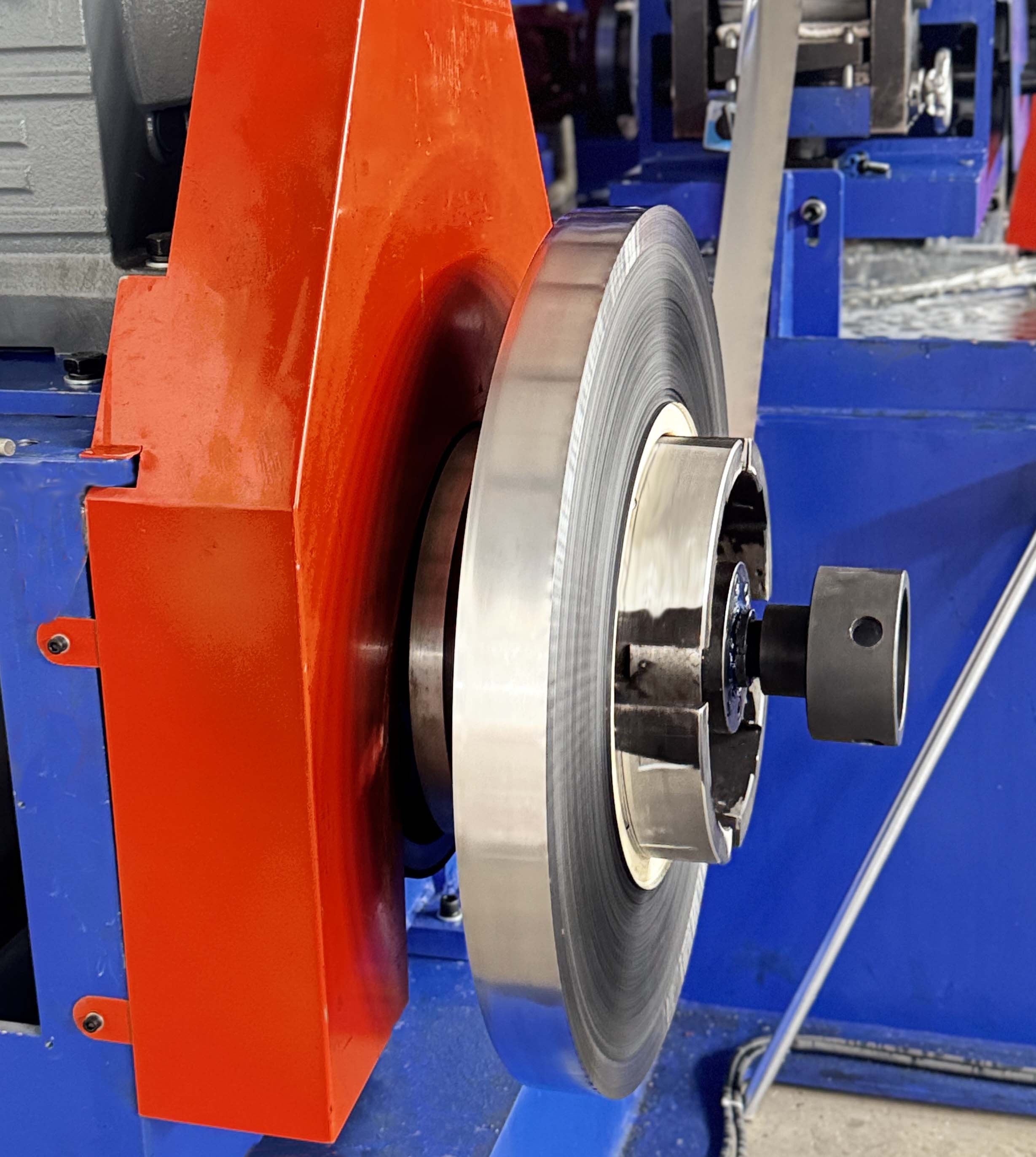
Leading strip rolling mills suppliers excel in offering bespoke solutions tailored to the diverse needs of modern industries, ensuring that each client receives a system optimized for their specific production goals. From automotive and aerospace applications to electronics and construction, these providers collaborate closely with customers to design mills that enhance precision, efficiency, and material quality. By leveraging advanced engineering and real-world expertise, they address unique challenges such as varying strip widths, thickness tolerances, and alloy requirements, delivering equipment that not only meets but exceeds operational expectations in competitive markets.
What sets top suppliers apart is their commitment to innovation and adaptability, moving beyond standard offerings to create flexible, future-proof solutions. This involves integrating smart technologies like AI-driven monitoring and automation controls that streamline processes while reducing downtime and waste. Whether it's retrofitting existing mills or installing new, custom-built lines, these specialists ensure seamless integration with a client's workflow, offering ongoing support and training to maximize long-term productivity and return on investment.
In practice, this personalized approach translates into tangible benefits, such as improved product consistency, faster turnaround times, and enhanced scalability for growing operations. By fostering strong partnerships, leading suppliers not only solve immediate technical issues but also help clients navigate evolving industry trends, ensuring their strip rolling processes remain agile and competitive. This focus on customization demonstrates a deep understanding of client priorities, making it a key factor in achieving sustained success across various sectors.
Advanced Equipment Driving Precision in Metal Strip Production
In modern metal strip manufacturing, the push for tighter tolerances and superior surface finishes has catalyzed a shift toward highly sophisticated machinery. Gone are the days when standard rolling mills could suffice; today's production lines integrate advanced equipment such as computer-controlled rolling stands, laser measurement systems, and real-time feedback loops. These technologies enable micron-level adjustments on the fly, ensuring that each strip meets exact dimensional specifications without compromising throughput. For instance, adaptive control systems can automatically compensate for thermal expansion or material inconsistencies, drastically reducing scrap rates and enhancing overall product consistency.
Beyond mere automation, the true edge lies in predictive analytics and smart sensors embedded within the equipment. By continuously monitoring variables like tension, temperature, and thickness, these systems can foresee potential deviations before they manifest as defects. This proactive approach not only minimizes downtime but also allows for finer customization—whether producing ultra-thin foils for electronics or robust strips for automotive frames. Manufacturers leveraging such capabilities report not just incremental improvements but transformative gains in precision, often achieving tolerances previously deemed unattainable in high-volume settings.
Another critical facet is the integration of non-destructive testing (NDT) tools directly into the production flow. Advanced eddy-current or ultrasonic scanners inspect strips in real-time, detecting subsurface flaws or micro-cracks that traditional methods might miss. This immediate feedback loop ensures that only flawless material proceeds to downstream processes, reinforcing quality from the ground up. Ultimately, this synergy of cutting-edge equipment and intelligent data management is redefining what's possible in metal strip production, turning precision from a goal into a guaranteed outcome.
Tailored Support Services for Continuous Operational Excellence
At our core, we understand that achieving and sustaining operational excellence isn't a one-size-fits-all endeavor. That's why our tailored support services are crafted specifically to meet the unique demands of your organization. By diving deep into your operational landscape, we identify critical areas where targeted interventions can drive efficiency and enhance performance. Our approach isn't about applying generic solutions; it's about building a partnership that evolves with your business needs, ensuring every strategy is aligned with your long-term goals.
What truly sets our services apart is the dynamic framework we employ, which adapts seamlessly to industry shifts and internal changes. Through continuous monitoring and real-time feedback loops, we help you not only address immediate challenges but also anticipate future disruptions. This proactive stance empowers teams to maintain momentum, reduce downtime, and foster a culture of innovation. By equipping your workforce with the right tools and insights, we turn operational excellence from a static goal into a living, breathing aspect of daily operations.
Ultimately, our tailored support is designed to embed resilience and agility into your processes, making excellence a consistent outcome rather than an occasional achievement. We focus on sustainable improvements that compound over time, driving measurable results like enhanced productivity, reduced costs, and improved customer satisfaction. With a commitment to ongoing refinement, we ensure your operations remain robust and competitive in an ever-changing market landscape.
Sustainable Practices in Modern Strip Rolling Mill Operations
In today's steel manufacturing landscape, modern strip rolling mills are increasingly adopting sustainable practices that go beyond mere regulatory compliance. One key focus is on water management, where mills implement closed-loop recycling systems to drastically reduce freshwater consumption. By treating and reusing water for cooling and descaling processes, facilities not only conserve vital resources but also minimize wastewater discharge into local ecosystems. This approach often integrates advanced filtration technologies to maintain water quality, ensuring long-term operational efficiency while protecting surrounding environments from industrial pollution.
Energy efficiency stands as another cornerstone of sustainability in strip rolling operations. Mills are leveraging innovations like regenerative braking systems in rolling equipment, which capture and reuse kinetic energy that would otherwise be lost as heat. Combined with the adoption of high-efficiency motors and optimized process controls, these measures significantly cut electricity usage. Some forward-thinking plants even incorporate on-site renewable energy sources, such as solar panels on facility roofs, to power auxiliary operations, reducing reliance on fossil fuels and lowering overall carbon footprints without compromising production throughput.
Beyond environmental aspects, sustainable practices in strip rolling mills extend to material efficiency and waste reduction. Through precision rolling techniques and real-time monitoring systems, mills can minimize material scrap rates, ensuring more steel is transformed into usable products. Additionally, byproducts like mill scale are increasingly repurposed—for instance, in cement production or as raw material for other industries—turning potential waste into valuable resources. This holistic view not only enhances economic viability but also fosters a circular economy mindset, where every aspect of the operation contributes to broader sustainability goals.
Future-Ready Strategies for Evolving Metal Industry Demands
As the metal industry navigates shifting global markets and environmental pressures, adapting to future demands requires more than just incremental upgrades. Companies are increasingly focusing on agile supply chains, where real-time data analytics and predictive modeling help forecast material needs and mitigate disruptions. This proactive approach not only enhances efficiency but also builds resilience against geopolitical and economic uncertainties.
Embracing advanced manufacturing techniques, such as 3D printing and automation, is key to meeting personalized customer requests and reducing waste. By integrating these technologies, metal producers can offer bespoke solutions while scaling operations sustainably, ensuring they stay competitive in a landscape that values both speed and customization.
Sustainability has moved from a buzzword to a core strategy, with many firms investing in circular economy models that repurpose scrap metals and minimize carbon footprints. This shift not only aligns with regulatory trends but also appeals to eco-conscious clients, positioning companies as leaders in responsible industry evolution.
FAQ
Modern suppliers integrate automation and IoT sensors for real-time monitoring, enabling predictive maintenance and higher precision in metal processing.
They utilize faster rolling speeds and adaptive controls to reduce downtime, minimize material waste, and optimize throughput for various alloys.
These mills are engineered to process a range of metals, from common steel and aluminum to specialized alloys like titanium, ensuring consistent quality across materials.
Customization allows mills to be tailored to specific production needs, such as unique width tolerances or integration with existing factory systems, maximizing operational fit.
Advanced models incorporate emergency stop systems, automated guarding, and fail-safe mechanisms to protect operators and prevent accidents during high-speed operations.
Providers offer ongoing technical support, spare parts availability, and training programs to ensure smooth operation and long-term reliability of the equipment.
Yes, flexible designs allow easy adjustment of parameters, making them suitable for both low-volume custom jobs and high-volume industrial applications without major reconfiguration.
Conclusion
In the competitive metal processing landscape, strip rolling mills suppliers are revolutionizing operations through innovative technologies that dramatically enhance efficiency and precision. By integrating advanced equipment from leading suppliers, manufacturers can achieve superior metal strip quality while optimizing production workflows. This evolution is not merely about machinery but encompasses a holistic approach where customized solutions are tailored to specific operational needs, ensuring seamless integration and maximum output.
Beyond equipment, these suppliers provide comprehensive support services that foster continuous operational excellence, from maintenance to real-time troubleshooting. Sustainable practices are embedded into modern mill operations, reducing environmental impact and promoting long-term viability. As metal industry demands evolve, future-ready strategies from forward-thinking suppliers equip businesses to adapt and thrive, making advanced solutions essential for staying ahead in a dynamic market.
Contact Us
Contact Person: Rayna
Email: [email protected]
Tel/WhatsApp: 86 -173 1474 6343
Website: https://www.grmrollingmill.com/