

Three Phase Vibration Motor Wholesaler Tips for Choosing the Right Supplier
2026-11-02
Finding a reliable three phase vibration motor wholesaler isn't just about comparing price lists—it's about avoiding costly downtime and inconsistent performance. With so many suppliers claiming the same specs, how do you separate the proven from the problematic? This guide walks you through the key factors to consider when choosing the right supplier, from testing protocols to after-sales support, and highlights why Guangling has become a go-to partner for industrial buyers who can't afford surprises.
Why Motor Build Quality Tells You More Than a Spec Sheet
A spec sheet can say 500 watts, 80 newton-meters, or a 48-volt system, but those numbers rarely survive contact with a rough road. Build quality shows up in places specs never mention: the evenness of a weld on a dropout, the absence of play in a folding joint, or the way a cast housing shrugs off a curb strike without cracking. When a motor feels dense in hand and runs quiet under load, that's not a coincidence—it's the result of tighter machining tolerances, better adhesives on magnets, and windings that don't rely on a thick layer of varnish to hide sloppy layering.
Poorly assembled motors tend to reveal themselves within the first hundred miles, long before any listed torque rating matters. You notice a faint clicking that comes and goes with cadence, a throttle response that hunts at low speed, or axle flats that deform after one over-tightened nut. A well-built motor, by contrast, barely changes character as it heats up. The bearings stay silent, the phase wires remain supple instead of stiffening into brittle twigs, and repeated thermal cycles don't loosen the rotor on its shaft. Those traits don't make the brochure, but they determine whether a motor still feels new after two seasons or becomes another warranty claim.
Spec sheets also assume perfect lab conditions, while build quality is a bet on real-world abuse. A motor with generous thermal paste between stator and shell will sustain hills that make a paper-spec rival overheat and sag. Sealing around the cable exit, quality of the connectors, and even the consistency of the paint on the casing tell you how seriously a manufacturer takes the unseen parts. Ride two motors with identical listed power back to back, and the difference in refinement is immediate—one has a solid, muted hum, and the other rattles like a tin can with a loose winding. That gap never shows up in a table of numbers.
How to Spot a Wholesaler Who Actually Stocks What They Claim
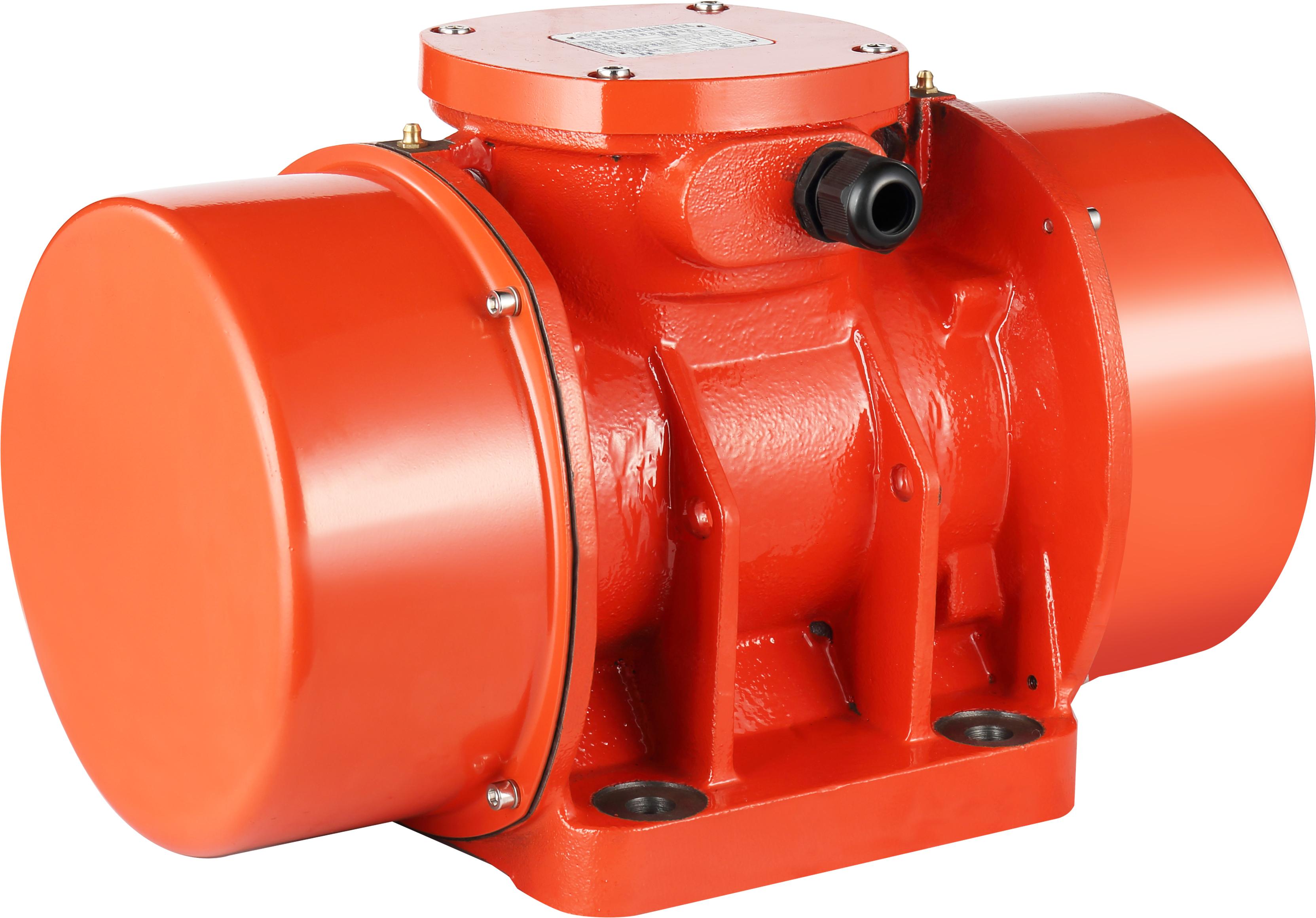
A wholesaler’s inventory list can look impressive on paper, but the real test happens when you ask for specifics. Start by requesting current stock photos of the exact items you plan to order—not glossy catalogue shots, but a quick snapshot of the warehouse shelf or a handwritten note with today’s date next to the product. Legit suppliers can usually provide this within a day; if they stall, dodge, or send recycled images from elsewhere, that’s your first red flag.
Another reliable move is to place a small trial order before committing to a large purchase. Pay attention to how they handle backorders, substitutions, and product condition upon arrival. A wholesaler who truly carries the stock will ship exactly what you ordered or communicate delays upfront. Those who fulfill from a dropshipper or third party often reveal themselves through inconsistent packaging, longer lead times, and vague tracking details.
Finally, check their physical address and warehouse details. Many fake wholesalers hide behind a P.O. box or virtual office. A quick video call walking through the storage area, or a third-party inspection service, can confirm whether the shelves match the claims. Pair that with references from other buyers in your niche, and you’ll quickly separate real stockists from order-takers who are just guessing.
Questions That Reveal Whether a Supplier Understands Your Application
The fastest way to gauge a supplier's grasp of your application is to stop asking yes-or-no capacity questions and start probing how they think about your real-world operating conditions. Instead of “Can you hit these tolerances?”, try “What do you see as the most likely point of failure when this part runs at full load in a dusty environment?” A supplier who answers with specifics about thermal expansion, contamination ingress, or stress concentrations has clearly moved beyond quoting a drawing.
Another revealing line of questioning targets trade-offs. Ask, “If you had to reduce our total cost of ownership, what would you change first—material, finish, or geometry—and why?” Or, “Which of our specifications would you consider over-engineered for the application we described?” These invite the supplier to demonstrate judgment, not just compliance. Watch for answers that reference your end user's actual usage patterns, maintenance intervals, or past warranty claims rather than generic best practices.
Finally, listen for unsolicited questions the supplier asks you. A supplier who wants to know about your assembly sequence, the vibration profile during transport, or the chemical exposure in your washdown process is signaling that they are already visualizing the product in your hands—not just in their own shop. That distinction separates order-takers from partners who can prevent problems before the first prototype is built.
Lead Times, Logistics, and the Hidden Costs Behind Low Quotes
When a supplier hands you a quote that's 20% below everyone else, the first thing worth checking isn't the price itself—it's the lead time. Factories that slash margins often do so by overbooking production lines, pushing smaller orders behind larger contracts. That means a quoted 15-day lead can stretch to 45 days the moment a bigger client's order lands. For a seasonal product, that delay isn't just inconvenient; it forces you into expensive air freight or forces a markdown before the goods even hit the shelf.
Logistics is where the real erosion starts. A low quote may exclude inland trucking to the port, export customs clearance, or even the cost of palletizing. If the supplier switches to a slower ocean carrier to keep their own margin intact, your shipment sits at sea for an extra week. Then there are port congestion charges, demurrage fees when the container isn't picked up fast enough, and fuel surcharges that only appear on the final invoice. Suddenly, that "cheap" factory price has kicked your total landed cost above the quote from a supplier who actually included these numbers upfront.
You also have to factor in the quieter costs: holding inventory while goods are in transit, paying for a third-party inspection because you no longer trust the factory's QC, and the hours your team spends chasing order updates across multiple time zones. A higher quote with transparent lead times and logistics included often ends up cheaper once you count the rework, lost sales, and working capital tied up in a shipment that keeps slipping. Low quotes don't erase these costs—they just move them to a different line item that wasn't on the original sheet.
Customization Support: When Standard Mounts Won't Fit Your Project
Sometimes a project calls for mounting hardware that simply doesn't exist in a catalog. Maybe the beam is an odd size, the wall surface is uneven, or the load direction isn't what standard brackets assume. That's where real customization support makes the difference—rather than forcing a near-fit and hoping for the best, you get mounts designed around the actual conditions on site.
A good customization process starts with the specifics you bring: dimensions, materials, weight distribution, and any movement or vibration the mount will face. From there, adjustments can be made to plate thickness, hole placement, finish, or even the overall shape, so the final piece doesn't just attach—it works with the structure instead of against it.
The goal isn't to complicate the order. It's to avoid the costly workarounds that come from using something almost right. Whether you need a single modified bracket or a small run of tailored mounts, the support should feel like a conversation, not a form letter.
After-Sale Service Signals That Separate One-Time Sellers from Long-Term Partners
Most vendors vanish the moment payment clears. The ones worth keeping don't. They check in after delivery, not with a canned survey, but with a specific question about how the product is performing in your actual workflow. That small shift—from "Did you receive it?" to "Did it solve the problem we discussed?"—tells you whether they see the sale as a finish line or a starting point.
Then there's how they handle friction. A transactional seller makes you open a ticket, wait three days, and re-explain everything. A long-term partner has already logged your configuration, noticed a potential issue from their telemetry, and reached out with a fix before you even sense something's off. Proactive support isn't just faster; it reveals whether they're monitoring their own work or simply moving boxes.
Finally, watch what they do when you mention a future need. The one-time seller will nod and suggest another product from their catalog. The partner will ask questions, sketch out tradeoffs, and sometimes tell you to hold off because a better option is coming in six months. That willingness to delay a sale in your interest—not theirs—is the clearest signal you're dealing with someone who expects to be around for the next decade, not just the next quarter.
FAQ
Look at their track record with industrial clients. Ask for reference projects or long-term contracts. A supplier that regularly serves heavy equipment or material handling sectors tends to understand torque, insulation class, and duty cycle requirements better than a general motor distributor.
Ask for detailed test reports, including vibration severity, bearing life calculations, and thermal rise under rated load. Don't settle for a generic datasheet. Request evidence from actual endurance tests or field performance data that match your operating conditions.
Many wholesalers now offer semi-custom configurations like modified foot patterns, extended shafts, or special terminal boxes. The key is to share your installation drawings early. If they push back immediately without asking for your application details, that's a red flag.
For standard models, four to six weeks is common if the supplier holds regional stock. Customized windings or special paint for corrosive environments can push that to ten weeks or more. Always confirm whether the quoted lead time includes factory testing and shipping, not just production.
It's often more important than the initial price. A supplier with local technical support can help with installation alignment, troubleshoot overheating, and recommend spare parts quickly. Downtime on a vibrating screen or feeder costs far more than the motor itself, so check their response time guarantees.
No. Low upfront cost can hide thinner insulation, lower-grade bearings, or weaker frame castings. Compare total cost of ownership, including energy efficiency at your duty point, expected service intervals, and warranty terms. A slightly higher unit price often pays back within the first year of reliable operation.
Look for IEC 60034 compliance or NEMA MG1 depending on your region, plus ISO 9001 for quality management. For hazardous environments, ask for ATEX or equivalent certification. Don't accept verbal claims—ask for current certificates with the supplier's name and scope clearly listed.
Listen to the questions they ask. A knowledgeable supplier will ask about mounting angle, vibration amplitude, ambient temperature, and starting frequency before quoting. If they only ask for voltage and horsepower, they probably don't grasp how three phase vibration motors differ from standard induction motors.
Conclusion
Choosing a three-phase vibration motor wholesaler starts with ignoring most of the glossy catalog numbers. Build quality is best judged by opening the motor, not by reading a datasheet: ask for photos of the rotor construction, bearing seals, and whether the windings are vacuum-impregnated instead of just dipped. A supplier who can show you a live video of their warehouse shelf with the exact model you need, not a stock photo, is actually stocking what they claim. Then test their application knowledge. If their first response to your inquiry is a question about mounting angle, ambient temperature, or how many starts per hour the motor will face, you are dealing with someone who understands vibration loads. If they just quote a price, move on. Low quotes often hide long sea freight, missing certificates, or no local service parts.
Customization is where many wholesalers fall apart. Three-phase vibration motors frequently need modified flanges, special shaft extensions, or tropicalized coatings, and a supplier with an engineering contact who asks for your drawing before quoting is rare. After the sale, look for signs of partnership: do they stock spare bearings and eccentric weights, offer a warranty that covers vibration-related failures, and answer troubleshooting calls within a day? A one-time seller ships a box and disappears. A long-term partner follows up, keeps your motor's revision history, and can often replace a failed unit from local stock instead of making you wait eight weeks. Price matters, but total landed cost plus response time after the first breakdown tells you who you are really buying from.
Contact Us
Contact Person: ZHUO
Email: [email protected]
Tel/WhatsApp: 86-576-86320988
Website: https://www.cnguangling.com