

Top 10 Current Transformers: Essential Guide for Modern Applications
2026-01-10
In the dynamic landscape of electrical engineering, current transformers (CTs) stand as pivotal components, enabling precise monitoring and control in a myriad of modern applications. As industries evolve toward smart grids, renewable energy systems, and advanced industrial automation, understanding the top current transformers becomes crucial for optimizing performance and reliability. This essential guide delves into the top 10 current transformers that are shaping today's technological frontiers, offering insights into their innovative features and practical uses. At Lugao, we recognize the transformative power of these devices, integrating cutting-edge solutions to meet the demands of diverse sectors. Whether you're an engineer seeking to enhance system efficiency or a decision-maker exploring new opportunities, this guide will illuminate the path forward, sparking curiosity about the latest advancements and their real-world impact. Let's embark on a journey through the essentials that define modern current transformer technology.
Understanding Current Transformer Basics
Current transformers (CTs) are essential components in electrical power systems, designed to measure high currents safely and accurately by stepping them down to manageable levels for meters and protective relays. Unlike voltage transformers, CTs operate on the principle of electromagnetic induction, where the primary winding carries the current to be measured, inducing a proportional current in the secondary winding. This setup ensures isolation between the high-voltage system and the measurement equipment, preventing damage and enhancing safety for operators. Understanding these basics is crucial for anyone involved in power distribution or industrial applications, as proper CT selection and installation directly impact system reliability and performance.
A key aspect of CT functionality lies in its ratio, which defines how much the primary current is reduced in the secondary circuit. For instance, a 100:5 ratio means that 100 amps on the primary side correspond to 5 amps on the secondary side. This scaling allows standard instruments to handle currents that would otherwise be too high to measure directly. Beyond simple measurement, CTs play a pivotal role in fault detection and protection schemes. By continuously monitoring current flow, they help detect anomalies like short circuits or overloads, triggering protective devices to isolate faulty sections and prevent widespread outages. This dual purpose—measurement and protection—makes CTs indispensable in modern electrical networks.
In practice, the accuracy and behavior of a current transformer can be influenced by factors such as core saturation, burden, and operating frequency. When the primary current exceeds the CT's rated limit, the core may saturate, causing distortion in the secondary output and compromising measurement precision. To mitigate this, engineers must carefully match CT specifications to the application's demands, considering aspects like accuracy class and thermal ratings. Moreover, advancements in digital technology have led to the development of electronic CTs and hybrid systems, offering enhanced features like digital output and integration with smart grids. By grasping these nuances, professionals can optimize CT usage, ensuring efficient energy management and robust protection in diverse electrical environments.
Key Specifications for Modern Applications
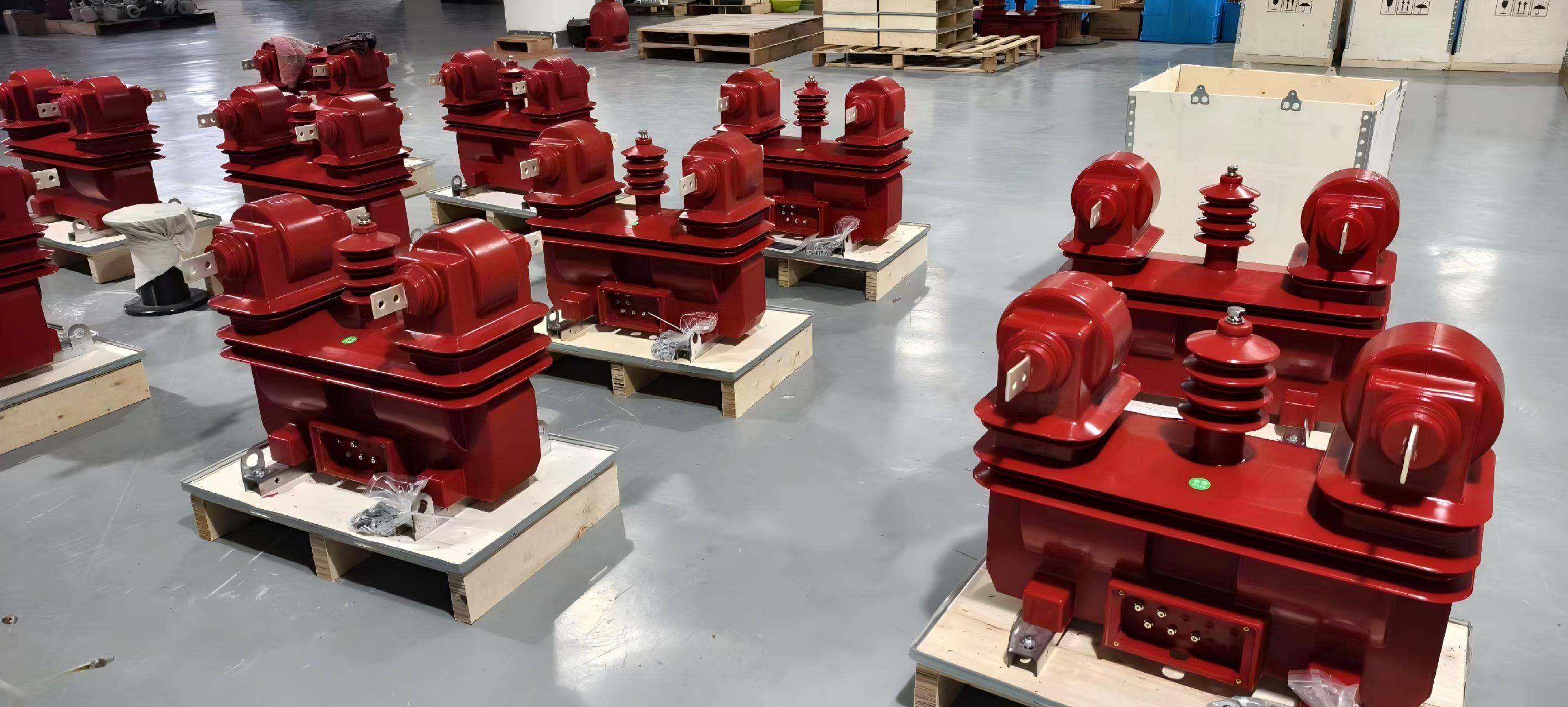
In today's fast-paced digital landscape, modern applications must prioritize scalability and resilience to handle unpredictable user loads and potential failures. This often involves leveraging cloud-native architectures, such as microservices, which allow for modular development and easier updates. By adopting containerization with tools like Docker and Kubernetes, teams can ensure consistent deployment across environments, reducing compatibility issues and speeding up release cycles.
Security is no longer an afterthought but a foundational element, with specifications emphasizing robust authentication, encryption, and compliance with regulations like GDPR. Additionally, performance optimization through efficient coding practices and real-time monitoring tools helps maintain a seamless user experience, even under heavy traffic.
Finally, modern apps must embrace agile methodologies and DevOps practices to foster collaboration between development and operations teams. This integration enables continuous integration and delivery, ensuring that applications can adapt quickly to changing market demands while maintaining high quality and reliability.
Innovative Designs in Current Sensing
In recent years, advancements in current sensing have pushed traditional methods beyond their limits, leading to novel approaches that enhance sensitivity and reduce power consumption. For instance, magnetic field sensors employing tunnel magnetoresistance (TMR) technology now offer unparalleled precision in low-current applications, enabling real-time monitoring in electric vehicles and smart grids without significant energy loss. This innovation not only improves safety by detecting subtle faults but also supports the growing demand for energy-efficient systems.
Another cutting-edge development involves optical current sensors, which leverage the Faraday effect to measure current without direct electrical contact. By using fiber-optic coils, these sensors eliminate issues like electromagnetic interference and insulation breakdown, making them ideal for high-voltage environments such as power substations. Their non-invasive nature allows for easier installation and maintenance, fostering reliability in critical infrastructure where downtime can be costly.
Moreover, the integration of artificial intelligence with current sensing devices is creating smart systems that predict failures and optimize performance. Machine learning algorithms analyze current patterns to identify anomalies before they escalate, offering proactive maintenance in industrial settings. This synergy between hardware and software not only boosts operational efficiency but also paves the way for autonomous energy management in renewable sources like solar and wind farms.
Integration with Smart Grid Technologies
Integrating with smart grid technologies transforms how energy systems operate by enabling real-time data exchange and adaptive control. This synergy allows for more efficient distribution of electricity, reducing waste and enhancing grid resilience against outages or fluctuations. For instance, connected devices can automatically adjust consumption based on grid demands, supporting sustainable energy use and lowering costs for consumers.
By leveraging advanced sensors and communication networks, integration facilitates predictive maintenance and faster response to disruptions. This not only minimizes downtime but also empowers utilities to optimize energy flow, integrating renewable sources like solar and wind more seamlessly. As a result, communities benefit from a more reliable and eco-friendly power infrastructure.
Moreover, this connection fosters innovation in energy management, enabling smart meters and IoT devices to provide insights for better decision-making. It opens doors to dynamic pricing models and personalized energy solutions, making grids smarter and more adaptable to future challenges. Overall, integrating with smart grid technologies is key to building a sustainable and resilient energy ecosystem.
Real-World Use Cases and Benefits
In practical settings, this approach simplifies complex tasks by breaking them down into manageable steps. For instance, companies use it to streamline workflows, enhancing efficiency across departments like marketing and logistics. By automating repetitive processes, businesses can reduce human error and free up staff for more creative roles, leading to tangible improvements in day-to-day operations and a smoother overall experience for both employees and customers.
The benefits extend beyond just cost savings, as adopting this model fosters innovation and adaptability in fast-paced environments. Teams find that it empowers them to experiment with new ideas without significant upfront investments, driving growth and staying competitive. This flexibility proves crucial in industries where trends shift rapidly, ensuring organizations can pivot quickly and seize opportunities as they arise.
Future Trends in Transformer Development
Transformer models are moving beyond their roots in natural language processing to tackle more complex tasks, such as multimodal learning and robotics. Researchers are developing architectures that seamlessly integrate text, images, and audio, enabling AI systems that can understand and generate content across multiple domains. This shift promises more versatile and intuitive applications, like chatbots that can interpret visual cues or robots that follow natural language instructions.
Efficiency improvements are a key driver in transformer evolution, with a focus on reducing computational costs without sacrificing performance. Techniques like sparse attention mechanisms and model compression are gaining traction, allowing for faster inference and deployment on resource-constrained devices. These advancements could democratize access to advanced AI, making it feasible for real-time use in mobile apps, IoT devices, and edge computing scenarios.
Another emerging trend involves enhancing transformers' ability to reason and generalize, moving them closer to human-like cognition. Innovations in areas like few-shot learning and meta-learning are empowering models to adapt quickly to new tasks with minimal data. This progress could lead to more intelligent AI assistants that learn from limited interactions and handle ambiguous or novel situations with greater flexibility.
FAQ
Key factors include accuracy class, rated current, frequency range, and compliance with standards like IEC 61869, ensuring reliable performance in systems like smart grids or renewable energy setups.
Current transformers measure current flow, stepping down high currents for metering and protection, while potential transformers handle voltage measurement, both crucial for safety and monitoring but serving distinct roles in power distribution.
Recent innovations include digital output models with communication protocols like Modbus or Ethernet, enabling real-time data transmission to IoT platforms for enhanced grid visibility and predictive maintenance.
Higher accuracy classes, such as 0.2 or 0.5, reduce measurement errors, essential for precise control and billing in automated processes, minimizing downtime and energy waste in factories.
By providing accurate load monitoring, they help optimize power usage, detect inefficiencies, and support energy management systems, leading to cost savings and reduced carbon footprints in smart building applications.
Look for insulated designs, short-circuit withstand capabilities, and overcurrent protection to prevent equipment damage and ensure operator safety in substations or industrial plants.
Conclusion
This guide navigates the essentials of current transformers (CTs) for contemporary use, starting with understanding their fundamental principles, which underpin their ability to accurately measure electrical currents in circuits without direct contact. It delves into key specifications crucial for modern applications, such as accuracy classes, burden ratings, and frequency ranges, ensuring compatibility with diverse systems. Emphasizing innovative designs in current sensing, the guide highlights advancements like Rogowski coils and digital sensors that enhance flexibility and precision in monitoring, making them indispensable for dynamic electrical environments.
The summary further explores integration with smart grid technologies, where CTs play a pivotal role in enabling real-time data collection and control for optimized energy management. Real-world use cases illustrate benefits such as improved safety, efficiency in industrial automation, and enhanced monitoring in renewable energy setups. Looking ahead, future trends in transformer development focus on miniaturization, enhanced connectivity for IoT applications, and sustainability-driven designs, positioning CTs as vital components in evolving electrical infrastructures. This overview ensures readers grasp the practical relevance and forward-looking aspects of current transformers in today's and tomorrow's technological landscapes.
Contact Us
Contact Person: Doreen
Email: [email protected]
Tel/WhatsApp: 8618057712366
Website: https://www.liugaopower.com/