

Top Sewer Line Cleaning Machine Manufacturer: The Ultimate Selection Guide
2026-05-16
Choosing the right sewer line cleaning machine can feel overwhelming, but it all starts with partnering with a manufacturer you can trust. Whether you’re maintaining municipal lines or tackling tough commercial blockages, reliability and innovation are non-negotiable. That’s where AMJET stands apart—redefining durability and performance in high-flow jetting systems. This guide cuts through the noise, helping you pinpoint the features, capacities, and support that truly matter, so you can invest with confidence.
What Your Pipes Are Telling You: Decoding the Right Cleaning Approach
Your pipes communicate through subtle signs long before a major clog strikes. A gurgling sound from the drain or a slow retreat of water signals trapped air and early buildup. Ignoring these whispers often leads to emergency calls and costly repairs. Paying attention now can save you from the frustration of standing ankle-deep in shower water.
Different noises point to different needs. A persistent drip might just be a worn washer, but a banging sound when you turn off the faucet—water hammer—indicates high pressure or loose pipes. That faint sewer smell near a floor drain? It could mean a dried-out trap or a venting issue. Learning to interpret these clues lets you choose the right fix instead of grabbing harsh chemicals that damage old plumbing.
The right approach varies with what you discover. An enzyme treatment works wonders for organic buildup in kitchen sinks, while a simple plunger or drain snake handles hair clogs in the bathroom. For mineral deposits from hard water, a gentle vinegar soak often does the trick without corroding pipes. By matching the solution to the symptom, you extend the life of your system and keep things flowing smoothly.
Hydro-Jetting vs. Snaking: When to Use Which and Why
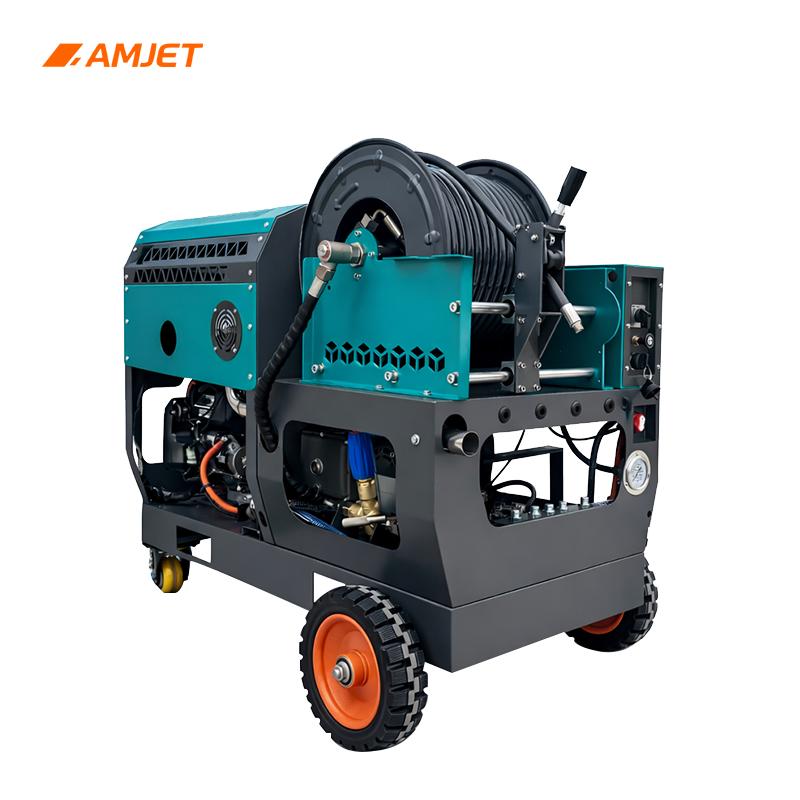
Drain cleaning often comes down to two heavy hitters: the trusty plumbing snake and the high-pressure hydro-jet. Snaking involves feeding a flexible metal cable with a corkscrew tip into the drain to spin and chop through obstructions. It's straightforward muscle work—effective for punching through simple clogs like hair clumps or a wad of paper. Hydro-jetting, by contrast, blasts water at up to 4,000 psi through a specialized hose, scouring the pipe walls completely. While snaking pokes a hole in the clog, hydro-jetting can restore the pipe to near-original condition, removing grease, scale, and even tree root fragments.
So, when does snaking make the most sense? It's the go-to for isolated, soft blockages in sinks, tubs, or laundry drains where you just need to get things flowing again fast. It's less invasive and typically cost-effective, making it a practical first attempt—unless the problem is deeper in the main line or keeps returning. More importantly, snaking won't stress fragile pipes, which can be a concern in older homes with clay or corroded cast iron. If you catch a simple clog early before it becomes a full-on stoppage, a good snake job often handles it without escalating to water-based methods.
Hydro-jetting shines when snaking falls short. Persistent backups, foul smells from organic buildup, sluggish drains throughout the house, or a known grease trap issue are all clear signals. Because it cleans the entire circumference, it eliminates the sticky residue that catches future debris, offering a longer-lasting solution. However, it's not a universal fix: the sheer pressure can damage weakened or misaligned pipes, so a camera inspection ahead of time is non-negotiable. Ultimately, the choice boils down to the root cause—simple blockage or systemic buildup—and the condition of your plumbing. Using the right method at the right time keeps your lines clear without unnecessary wear or expense.
Behind the Brand: What Separates Top Manufacturers from the Rest
The clearest divide often comes down to an almost obsessive commitment to material quality. Top manufacturers don't just source ingredients or components—they build long-term partnerships with suppliers who share their standards, sometimes even collaborating on custom formulations that never appear in off-the-shelf catalogs. This behind-the-scenes rigor means each batch feels indistinguishable from the last, a consistency that cheaper rivals rarely achieve without cutting corners.
Beyond the tangible, there’s a culture of quiet innovation that sets leaders apart. Instead of chasing trends, they invest years into refining production methods that may never be visible to the end user—think proprietary curing processes or waste-reduction systems that subtly improve the final product. These aren’t flashy upgrades; they’re calculated, long-view bets that accumulate into a noticeable edge over time, often unnoticed until a competitor tries to imitate and falls short.
Then there’s the human element: how these companies handle moments of failure. When something goes wrong, top-tier teams respond with transparency and a genuine urgency to fix the root cause, not just the symptom. This resilience breeds trust that no marketing campaign can fabricate, creating a silent endorsement that resonates far louder than any spec sheet.
The Hidden Costs of Cheap Machines: A Long-Term Perspective
When the initial price tag seems too good to pass up, it’s easy to overlook what actually drives total cost of ownership. A budget-friendly machine often demands more frequent repairs, and those repair bills can quietly eclipse the upfront savings within the first few years. Parts wear out sooner, tolerances slip faster, and the downtime alone—when a line stops or a project stalls—rips into productivity in ways a spreadsheet rarely captures.
Beyond the wrench and the invoice, there’s a subtler drain: operator frustration and output quality. Machines that struggle to hold spec force workers into endless tweaking and rework, eroding morale and bloating labor hours. The scrap rate climbs, customer complaints tick upward, and the brand’s reputation absorbs a slow bleed that’s far costlier than any single repair.
Over a five- or ten-year horizon, the cheap machine often morphs into a hidden liability. Energy inefficiency, obsolete controls, and unavailable spare parts turn it into a stranded asset while a well-engineered alternative continues humming along. Smart buyers weigh these long-tail expenses from day one, understanding that true value appears not on the purchase order, but on the balance sheet years later.
Real-World Applications: Stories from the Trenches
There’s a certain magic that happens when theory meets pavement—when the pristine diagrams of a whiteboard session collide with the messy, unpredictable chaos of a live production environment. I’ve lost count of the times a beautifully architected solution buckled under the weight of real user behavior, only to be saved by a frantic 3 a.m. hotfix and a coffee-stained notebook filled with scribbled workarounds.
One deployment still haunts me: a financial data pipeline that performed flawlessly in staging, only to start dropping transactions the moment it hit production. No errors in the logs, just silent failures. After three sleepless days, we traced it to a subtle clock drift between two microservices that only manifested under peak load. The fix was a single line of code, but the lesson was a library of books thick—staging is a fair-weather friend; production is where the storm lives.
These stories stick not because they’re technical puzzles, but because they’re human dramas played out in code. The real-world application isn’t about deploying software; it’s about navigating the brittle, beautiful chaos that follows. And in that chaos, you learn more about resilience, empathy, and the art of the possible than any textbook could ever teach.
After the Sale: Support, Parts, and Peace of Mind
We believe the handshake at delivery is just the beginning of our relationship. That’s why we’ve built a support system that treats your questions like conversations, not case numbers. When you reach out, you’ll connect with people who know equipment and genuinely care about keeping your operations running smoothly. No scripted replies, no runarounds—just direct access to help that understands your unique setup.
Genuine parts make all the difference, and we make sure you get them without the headaches. Our inventory is stocked based on the machinery our customers actually use, so the right component is often ready to ship the same day. And when a rare part is needed, our team digs into a network of suppliers that extends beyond typical channels. This isn’t about pushing inventory numbers; it’s about making sure you’re never left waiting while a machine sits idle.
Peace of mind comes from knowing that no matter what, you’re covered. Extended service plans are designed to be straightforward—no fine print surprises—and our technical support line is open when you need it, including those late nights when problems don’t follow a calendar. We’ve found that true reliability isn’t just about building durable products; it’s about being the team that still picks up the phone years after the warranty ends.
FAQ
Look beyond just the machine specs. Consider the manufacturer's track record for durability, the availability of replacement parts, and how easy it is to get technical support. A company that has been in the business for decades often has refined their designs based on real-world feedback, which translates to fewer breakdowns when you're on the job.
Try calling their support line before you even buy. Ask specific technical questions and see how quickly and thoroughly they respond. Check online forums and talk to other contractors about their experiences with warranty claims. A manufacturer that stands behind their products will have a clear, hassle-free process for repairs and replacements.
Yes, pay attention to things like the material of the drum and cable. Stainless steel drums resist corrosion far better than painted steel. Also, look for details like sealed bearings and robust frame construction. These aren't always highlighted in marketing but they matter a lot for longevity.
Many buyers focus solely on the initial price and ignore the total cost of ownership. Cheap machines from unproven manufacturers can cost you more in downtime and repairs. Another common error is not checking if the design has been field-tested in conditions similar to yours—what works for small residential jobs might fail in heavy commercial use.
Ask for references you can actually call. A reputable company will connect you with current users. You can also rent a machine model before committing to a purchase. This hands-on test will reveal if it clears blockages as easily as the brochure claims and if it's comfortable for your crew to use all day.
It's not just about patriotism; it's about logistics. A local manufacturer can ship parts faster and might have a better grasp of the common infrastructure problems in your region. On the other hand, some international manufacturers have excellent quality but longer lead times. Weigh the support network against the product specifications.
You should ask how they test their cables for fatigue resistance and what kind of stress tests the machines undergo before shipping. Inquire about their defect rates and how they handle units that fail quality checks. A transparent manufacturer will be open about their processes and may even give you a factory tour.
Very important, especially if you're introducing a new type of machine to your team. Look for manufacturers that provide video tutorials, in-person demonstrations, or even on-site training. This reduces the learning curve and helps prevent misuse that could void the warranty or damage the equipment.
Conclusion
Selecting the right sewer line cleaning machine starts with understanding what your pipes are trying to tell you. Every blockage tells a story—grease buildup, root intrusion, or stubborn scale—and decoding these signs is crucial before choosing between hydro-jetting and snaking. While a snake might punch through a simple clog, hydro-jetters use high-pressure water to scour pipe walls, tackling the root cause. Top manufacturers don’t just sell equipment; they embed decades of field-tested engineering into machines that balance power with precision. The real difference surfaces in how they handle the unglamorous details: proprietary nozzle designs, pump longevity, and the ability to adapt to real-world conditions without constant breakdowns.
Beyond the sticker price, the hidden costs of cheap machines accumulate fast—downtime, frequent part replacements, and operator frustration. Stories from the trenches prove that durability and support after the sale separate industry leaders from the rest. A machine is only as good as the team behind it. When a critical job goes sideways, having immediate access to parts, knowledgeable service, and solid warranties isn’t a luxury—it’s peace of mind. So, in the end, choosing the ultimate manufacturer comes down to who combines cutting-edge technology with a genuine commitment to keeping your operation running, long after the sale is closed.
Contact Us
Contact Person: Mike
Email: [email protected]
Tel/WhatsApp: +86 19545555505
Website: https://www.amjeting.com/