

Top Smart Circuit Breaker Manufacturers: Expert Factory Guide for Reliable Electrical Solutions
2025-12-26
Welcome to our expert guide on the top smart circuit breaker manufacturers, where we explore the cutting-edge solutions shaping today’s electrical safety landscape. In an age where technology meets reliability, choosing the right manufacturer isn't just about products—it's about peace of mind. As you dive into this guide, you'll discover how innovation is transforming circuit breakers from simple protective devices into intelligent systems that anticipate and prevent hazards. Among the leaders in this field is SINGI, renowned for its commitment to precision and durability. Whether you're an industry professional or a savvy homeowner, this guide will highlight what sets top manufacturers apart and why investing in quality matters. Get ready to uncover insights that could redefine your approach to electrical solutions.
Leading Manufacturers in the Smart Circuit Breaker Industry
When it comes to shaping the future of electrical protection, a handful of standout companies are really pushing the envelope in the smart circuit breaker arena. Schneider Electric, for instance, has been making waves with their EcoStruxure platform, which integrates these devices into broader building management systems, offering not just circuit protection but also energy monitoring and predictive maintenance insights that help businesses cut costs and avoid downtime. Their focus on user-friendly interfaces and IoT connectivity sets them apart in a market that's increasingly driven by smart home and industrial automation trends.
Meanwhile, Siemens stands out with a strong emphasis on innovation and reliability, particularly in industrial applications where precision and durability are non-negotiable. Their Sentron series, for example, combines advanced protection functions with seamless integration into digital grids, enabling real-time data analysis and remote control that can adapt to fluctuating power demands. What makes Siemens unique is their ability to tailor solutions for specific sectors, from manufacturing plants to renewable energy installations, ensuring their products aren't just off-the-shelf components but strategic tools for modern infrastructure.
ABB rounds out this leading group by focusing heavily on sustainability and safety, with smart circuit breakers that excel in renewable energy integration and electric vehicle charging systems. Their Emax and Tmax lines offer features like arc-fault detection and energy efficiency optimization, which are particularly appealing in regions with stringent environmental regulations. ABB's edge comes from their global presence and deep research into emerging technologies, allowing them to anticipate market shifts and deliver products that not only meet current standards but also pave the way for greener, more resilient power networks worldwide.
Key Factors for Selecting a Reliable Smart Circuit Breaker Supplier
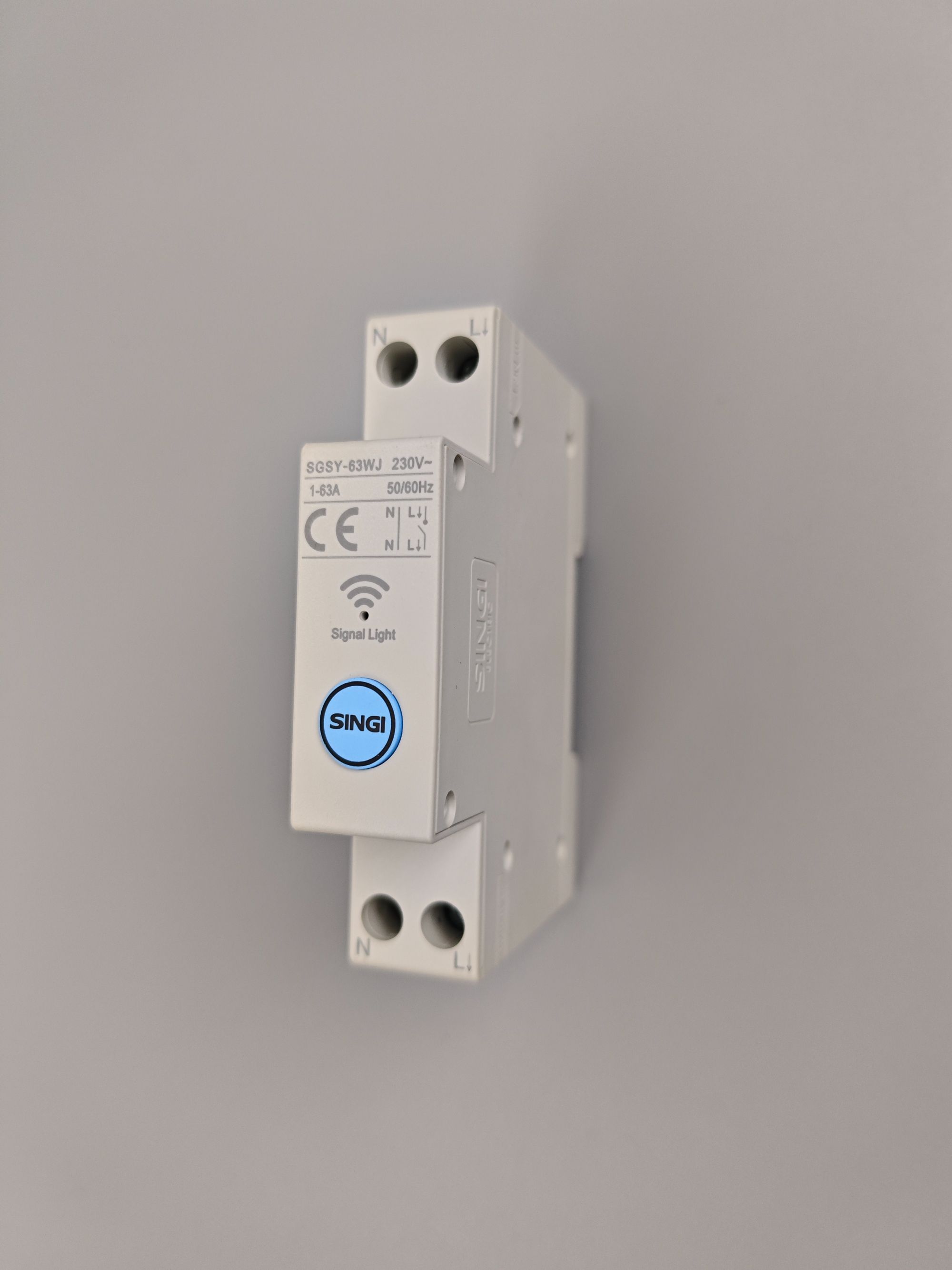
Choosing a supplier for smart circuit breakers isn't just about product specs—it's about finding a partner who can keep your operations running smoothly. Look for companies with a proven track record in the industry, as experience often translates to robust support and fewer glitches. Don't shy away from asking for customer references or case studies; real-world applications can reveal much more than a glossy brochure ever could.
Another key aspect is innovation and adaptability. The tech behind smart breakers evolves rapidly, so your supplier should stay ahead with regular updates and new features. Check if they invest in R&D and how quickly they respond to emerging standards or safety regulations. A forward-thinking supplier will help future-proof your installations, saving you headaches down the line.
Lastly, consider the overall service package, from installation assistance to ongoing maintenance. A reliable supplier offers comprehensive training and responsive tech support, ensuring you can handle any issues without downtime. Transparent pricing and clear communication also play big roles—no one wants surprises in contracts or delays when urgent help is needed.
Innovative Technologies Transforming Modern Electrical Safety Solutions
From smart circuit breakers that adapt to real-time loads to AI-driven predictive maintenance systems, cutting-edge innovations are redefining how electrical safety is managed in homes and industries. These technologies not only prevent hazards like short circuits and fires but also enhance energy efficiency by optimizing power distribution seamlessly. For instance, IoT-enabled sensors can now monitor electrical systems remotely, sending alerts before issues escalate, thus reducing downtime and maintenance costs significantly.
Another game-changer is the integration of advanced materials, such as self-healing insulators and fire-resistant coatings, which bolster durability and resilience in harsh environments. By leveraging these developments, businesses and consumers alike gain access to safer, more reliable electrical infrastructures that can withstand unexpected surges and environmental stresses, paving the way for smarter, sustainable energy solutions.
Moreover, technologies like augmented reality (AR) for training and digital twins for simulation are empowering professionals to visualize and address safety risks proactively. This hands-on approach fosters a culture of prevention, ensuring that electrical installations and repairs adhere to the highest safety standards while keeping pace with rapid technological advancements.
Evaluating Quality and Performance in Smart Circuit Breaker Products
When assessing smart circuit breakers, focusing on quality and performance is essential to ensure they meet modern electrical demands. Key aspects include reliability under varying loads, adherence to safety standards like UL and IEC certifications, and durability in different environmental conditions. Manufacturers often conduct rigorous testing for factors such as overcurrent protection, arc fault detection, and thermal management. For instance, advanced models integrate real-time monitoring capabilities that can alert users to potential hazards before they escalate, enhancing both safety and efficiency in residential or commercial settings.
Performance evaluation extends beyond basic functionality to include connectivity features, such as integration with smart home systems via Wi-Fi or Bluetooth. This allows for remote control and automation, enabling users to manage power consumption proactively. Additionally, response time during fault conditions—like short circuits or overloads—is a critical metric; faster tripping times can prevent damage to appliances and reduce fire risks. Some products even offer customizable settings through mobile apps, providing flexibility tailored to specific user needs while maintaining robust performance.
Innovations in materials and design also play a role in quality assessments. For example, using high-grade insulation and corrosion-resistant components can extend product lifespan and reduce maintenance costs. Energy efficiency is another consideration, with some breakers optimizing power flow to minimize waste. By prioritizing these factors, consumers and professionals can select smart circuit breakers that not only perform reliably but also contribute to sustainable, safer electrical networks, making them a worthwhile investment for future-proofing infrastructure.
Trends Driving Growth in the Global Smart Circuit Breaker Market
In a world where energy efficiency and operational safety are more critical than ever, the global smart circuit breaker market is experiencing a surge, fueled by a blend of technological advancements and evolving consumer demands. These devices, which go beyond the simple on-off function of traditional breakers, are becoming essential in both residential and industrial settings, offering features like remote monitoring, real-time data analytics, and predictive maintenance. For instance, in smart homes, they allow homeowners to control electrical loads remotely via smartphone apps, reducing energy waste and preventing potential hazards like overloads. Meanwhile, in industrial applications, they enhance grid stability and minimize downtime by automatically detecting faults and adjusting power distribution. This shift isn't just about convenience; it's driven by a growing awareness of sustainability and the need to optimize resource use, making smart circuit breakers a key component in modern energy management systems.
Another significant driver is the rapid integration of the Internet of Things (IoT) and artificial intelligence (AI) into electrical infrastructure. As IoT networks expand, smart circuit breakers can communicate seamlessly with other connected devices, creating intelligent ecosystems that adapt to changing conditions. For example, in a smart building, these breakers might work in tandem with sensors to adjust lighting and HVAC systems based on occupancy, further cutting energy costs. AI algorithms analyze usage patterns to predict failures before they occur, enabling proactive repairs that avoid costly disruptions. This technological synergy is pushing the market forward, as businesses and governments invest in smarter grids to meet environmental targets and improve resilience against outages. It's not just a trend; it's a transformation that's reshaping how we manage electricity, from urban centers to rural communities.
Regulatory changes and increased safety standards are also playing a pivotal role in boosting the market. Governments worldwide are introducing stricter codes and incentives to promote energy-efficient technologies, including smart circuit breakers, as part of broader efforts to combat climate change and enhance public safety. In regions prone to natural disasters or with aging power grids, these devices offer a layer of protection by quickly isolating faults and preventing fires. Additionally, the rise of renewable energy sources like solar and wind requires more dynamic control systems to handle variable power flows, which smart breakers are well-equipped to manage. As consumers become more tech-savvy and demand greater control over their energy usage, the market is poised for sustained growth, driven by a combination of innovation, policy support, and a collective push toward a smarter, safer future.
Practical Tips for Integrating Smart Circuit Breakers into Electrical Systems
When incorporating smart circuit breakers into your electrical setup, it's crucial to start with a comprehensive assessment of your current system. Check the age and condition of existing wiring, load demands, and compatibility with modern IoT standards like Zigbee or Z-Wave. This upfront evaluation helps avoid common pitfalls, such as overloading circuits or mismatched communication protocols, ensuring a smoother integration that enhances energy monitoring and safety from the get-go.
Beyond just installation, consider how these devices fit into your broader smart home ecosystem. For instance, pairing smart breakers with energy management platforms can provide real-time insights on usage patterns, allowing you to adjust habits for efficiency. It's also wise to plan for firmware updates and cybersecurity measures—regularly updating and securing your network prevents vulnerabilities and keeps your system running optimally over time.
In practice, think about maintenance and user engagement. Smart breakers often come with apps for remote control, so ensure all users are trained on features like automated load shedding or emergency shutoffs. By blending careful planning with ongoing management, you can transform a traditional electrical system into a responsive, data-driven asset that adapts to your needs and reduces operational headaches.
FAQ
For industrial applications, focus on manufacturers that offer high fault tolerance, robust communication protocols like Modbus or BACnet, and scalability for large-scale systems. Brands like Eaton and Schneider Electric often excel in these areas, providing durable solutions that can handle heavy loads and integrate seamlessly with existing infrastructure.
Smart circuit breakers enable real-time monitoring of power consumption, allowing facility managers to identify energy waste and optimize usage patterns. By integrating with building management systems, they can automatically shut off non-essential circuits during off-hours, potentially reducing energy costs by up to 20%, as seen in projects using Siemens or ABB products.
For homes, prioritize ease of installation, user-friendly mobile apps, and compatibility with popular smart home ecosystems like Apple HomeKit or Google Home. Manufacturers like Leviton or Legrand often provide compact designs and intuitive controls, making them ideal for homeowners who want remote access and safety features without professional help.
Yes, leading manufacturers incorporate features such as arc-fault detection, ground-fault protection, and temperature monitoring to prevent electrical fires and equipment damage. For example, some Eaton models use sensors to alert users to potential hazards before they escalate, enhancing overall safety in both residential and commercial settings.
Reliable communication, such as wireless options like Zigbee or wired Ethernet, ensures continuous data transmission for monitoring and control. In critical setups like data centers, manufacturers like Schneider Electric provide fail-safe mechanisms and redundant pathways to maintain uptime, minimizing the risk of power disruptions due to communication failures.
Distinguished manufacturers offer comprehensive support, including 24/7 technical assistance, extended warranties (e.g., up to 10 years), and detailed documentation. Brands like ABB often provide online resources and training, giving customers peace of mind and ensuring long-term reliability without hidden costs.
Conclusion
The smart circuit breaker industry is spearheaded by top manufacturers who integrate cutting-edge technologies to enhance electrical safety and reliability. These leading companies are driving innovation with features like IoT connectivity, real-time monitoring, and predictive maintenance, which transform traditional electrical systems into smart, efficient networks. When evaluating quality and performance, it's crucial to consider factors such as durability, compliance with international standards, and advanced functionalities that prevent overloads and short circuits. As the global market grows, trends like increased adoption in residential and commercial sectors, along with sustainability initiatives, are fueling demand for these intelligent solutions.
Selecting a reliable supplier requires careful assessment of key factors, including product range, technical support, and customization options. Practical tips for integration involve planning for seamless compatibility with existing electrical systems, ensuring proper installation by certified professionals, and leveraging data analytics for optimized performance. By focusing on innovative technologies and robust evaluation criteria, businesses and homeowners can achieve safer, more efficient electrical solutions that stand out in today's competitive landscape. This expert guide underscores the importance of partnering with trusted manufacturers to navigate the evolving market and implement effective smart circuit breaker systems.
Contact Us
Contact Person: Jack
Email: [email protected]
Tel/WhatsApp: (+86) 13757759651
Website: https://www.singi.com