

Waxed Corrugated Boxes Factory Delivers Moisture Resistant Packaging for Secure Transport
2026-08-31
If your shipments have ever arrived warped or weakened by damp conditions, you know ordinary boxes aren't enough. That's where waxed corrugated boxes from ShiTeng Packaging come in—factory-built to resist moisture and keep your goods secure from dock to door.
The Real Reason Waxed Corrugated Boxes Survive Wet Loads
Most people assume a waxed corrugated box resists water because the wax creates a slick outer shell. That helps, but the actual survival story happens inside the flutes and at the cut edges. Plain corrugated fiberboard loses its rigidity the moment water wicks into the exposed medium, breaking the hydrogen bonds that hold cellulose fibers together. Wax, when applied properly, fills those capillary spaces and seals the raw board edges where moisture always sneaks in first.
A heavily wax-impregnated box can sit in standing water for hours without the bottom falling out. The wax doesn't just sit on the surface; it saturates the linerboard and the corrugated medium, turning the paper into a semi-rigid, water-repellent composite. Even when the outer facing gets wet, the inner layers stay dry enough to keep stacking strength. That's why these boxes hold up in poultry plants, seafood packing, and ice-filled produce shipments where ordinary cardboard would turn to pulp.
The real difference comes down to edge crush and wet strength retention. Waxed boxes typically keep 70 to 85 percent of their dry compression strength after prolonged moisture exposure, while untreated boxes collapse at 10 to 20 percent. It's not about keeping every drop of water out forever; it's about slowing the failure long enough for the load to reach its destination intact.
A Look Inside the Factory Waxing Line
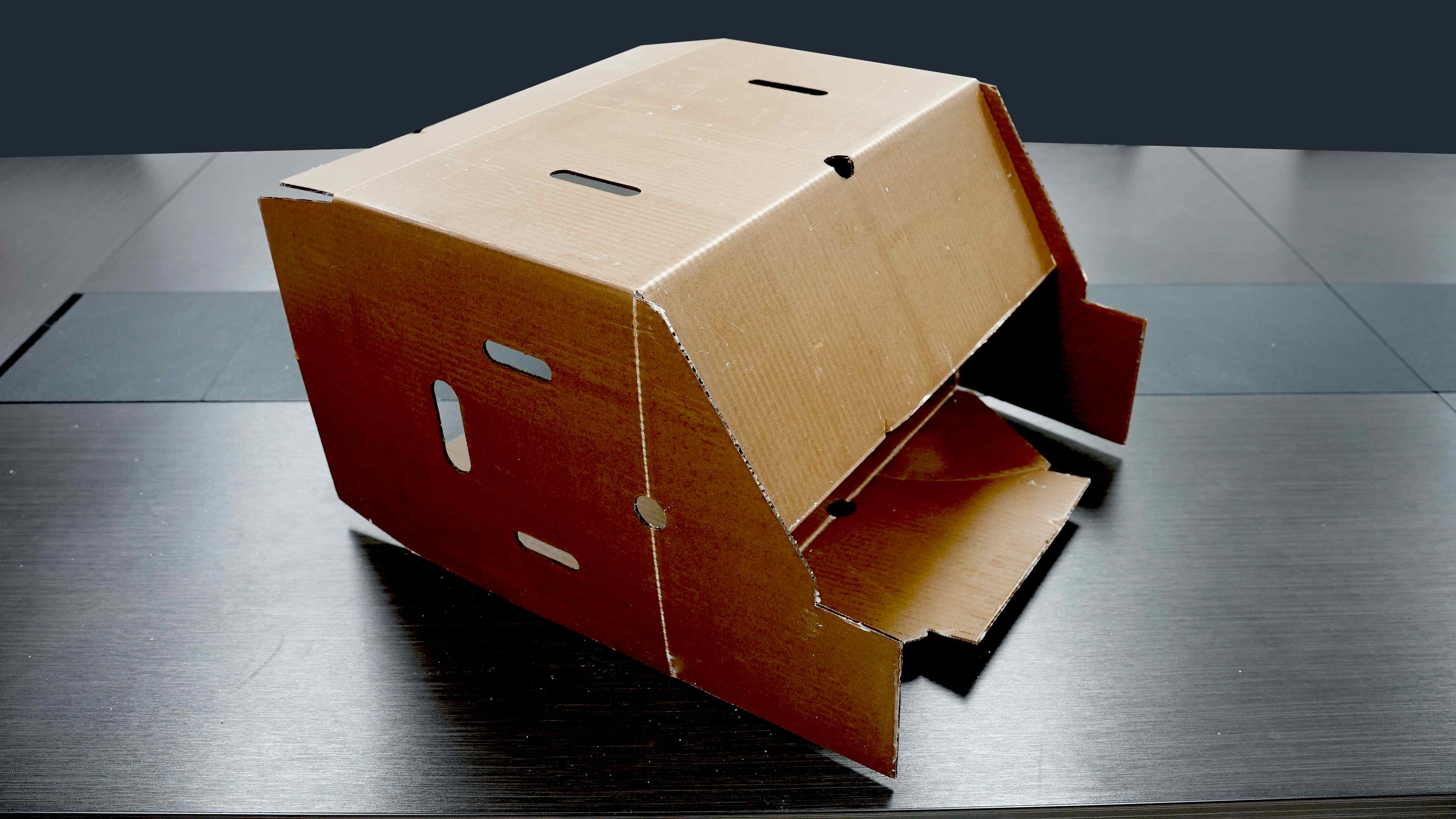
The waxing line hums with a low, steady vibration that you feel through the concrete floor before you hear it. Rows of aluminum rollers guide each piece forward, and a fine mist of warm wax settles over the surface like morning fog on a windshield. Workers in thin blue gloves adjust the nozzles every few minutes, not because the machines drift, but because the wax blend changes slightly with the day's humidity. It's a small adjustment, the kind you only notice if you've spent a season here.
Further down the line, the pieces pass under a bank of infrared lamps that bake the wax into the pores. The heat makes the air smell faintly of pine resin and hot metal. One operator keeps a worn notepad tucked beside the control panel, jotting down temperature readings that don't match the digital display. He says the old numbers are more honest, especially on cold mornings when the line starts up slow. There's no rush. The waxing line has its own rhythm, and it doesn't care about the clock.
Humidity, Rain, and Condensation Are No Match for These Coatings
Few things break down a protective finish faster than constant moisture. Standard paints and sealants often absorb water over time, leading to blisters, peeling, and rust forming underneath the surface. These coatings are engineered to resist that cycle entirely, using a tightly cross-linked film that prevents water molecules from getting a foothold. Even in high-humidity environments where condensation forms daily, the finish stays intact and keeps doing its job.
Rain and standing water pose a different challenge, especially on horizontal surfaces or areas with poor drainage. Instead of softening or washing away, this coating system sheds water quickly and retains its hardness. The surface remains tough enough to handle repeated wet-dry cycles without cracking or losing adhesion, so you don't end up with the usual weak spots around edges and joints.
For facilities near the coast, cold storage rooms, or processing plants where moisture is unavoidable, that kind of resilience means fewer reapplications and less downtime. It's not about chasing a perfectly dry environment; it's about making the coating itself immune to the moisture that's already there.
Why Secure Transport Starts with the Right Box Material
The choice of box material is often overlooked, yet it forms the first line of defense in secure transport. Corrugated cardboard, for instance, offers a unique combination of rigidity and cushioning that absorbs shocks during handling. When boxes are made from low-grade or recycled fibers with inconsistent thickness, they lose their structural integrity quickly, leading to collapsed corners and torn edges. A robust material resists crushing under stacked loads, keeping the contents stable and protected from external pressure. Without this foundation, even the best sealing tape or strapping cannot prevent damage in transit.
Moisture resistance is another critical factor tied directly to material selection. Standard cardboard can weaken dramatically when exposed to rain, humidity, or accidental spills, compromising the entire shipment. Wax-coated or water-resistant corrugated boards provide a barrier that maintains strength even in damp conditions. For high-value or sensitive items, double-wall or triple-wall constructions offer an extra layer of defense against punctures and impacts. Selecting the right material not only secures the goods but also reduces the need for excessive internal cushioning, making the packaging more efficient.
Finally, the environmental conditions along the entire supply chain should guide the material decision. Fluctuating temperatures, long storage periods, or rough freight handling demand a box that can endure without degrading. A well-chosen material prevents hidden failures like fiber fatigue or delamination, which often go unnoticed until the package reaches its destination. Investing in the proper box material is a proactive step that minimizes losses, preserves product integrity, and ultimately builds trust with recipients.
Weak Spots in Standard Boxes You Might Overlook
Most people assume a standard cardboard box is just a cardboard box—sturdy enough for the job, no real weak points until it's overloaded. But look closer at the corners, where three panels meet. The adhesive or staples there take on a disproportionate amount of stress whenever the box shifts during transit. Temperature swings and humidity can loosen that bond long before the box itself shows any visible wear, leading to a collapse that seems sudden but has been building for days.
Another overlooked spot sits right along the top and bottom flaps, especially near the center seam. That's where the flutes of the corrugated board get compressed during repeated stacking, even if the box isn't fully packed. Heavy items pressing unevenly against the flaps can create micro-tears that spread along the grain. Once those tears start, the box loses its ability to hold a shape, and the next modest bump can split it wide open.
The hand holes—if your box has them—are frequently the first place to fail in real-world use. The die-cut edges act like stress concentrators. Every time someone lifts or drags the box by those holes, the surrounding board flexes just enough to crack the inner liner. Over a few trips, that cracking turns into a full tear, and suddenly a box that survived heavy loads is useless because the grip points gave out way before the bottom did.
Packing for Moisture Exposure Without Extra Layers
Dealing with damp conditions doesn't mean you have to pile on bulky waterproof shells or stiff rain gear. Instead, think about how your existing layers can work smarter. A tightly woven base fabric, like a lightweight merino blend, naturally wicks sweat away from skin while resisting light drizzle. Pair it with a midlayer that has a durable water-repellent finish baked into the fibers—no extra membrane needed. This way, your pack stays lean and you stay dry without the rustle of a dedicated rain jacket.
The real trick is choosing materials that breathe well enough to prevent internal condensation. Nylon-spandex blends with a slight grid pattern allow vapor to escape before it turns clammy. Avoid cotton anything; it soaks up moisture and holds it against you. For outerwear, look for a softshell with a brushed interior and a subtle water-shedding treatment. You'll feel the difference when a sudden shower rolls through: water beads up briefly, then evaporates as you move, instead of soaking in and dragging you down.
Packing smart also means arranging your gear to handle unexpected moisture. Roll your insulating layer inside a quick-dry towel or a spare shirt made from hydrophobic yarns. This creates a makeshift dry sack without adding weight. If you expect high humidity, pre-treat your socks and gloves with a spray-on DWR at home, then let them air out. By the time you hit the trail, your whole system repels light moisture through fabric choice and layering alone—no extra shells required.
FAQ
A thin wax layer is applied to the corrugated board, creating a barrier that stops water from soaking into the fibers. This keeps the box rigid and protects the contents even when exposed to rain or high humidity during transit.
We run each batch through a controlled wax coating process that fully seals the flutes and edges, then test samples under simulated wet conditions. That way, the boxes hold up over extended shipping routes without breaking down.
Yes, the wax impregnation goes deeper than a surface spray, so the board keeps its crush strength even after prolonged contact with water. We also offer double-wall options for heavier loads that need extra support.
Seafood, fresh produce, meat, and cold chain logistics are common users because they deal with moisture constantly. Industrial parts and automotive suppliers also choose waxed boxes when shipments might sit in damp storage or outdoor yards.
Absolutely, you can choose from light, medium, or heavy wax saturation depending on how much moisture exposure you expect. Our team will adjust the wax blend and application rate to match your shipping environment without overpaying for protection you don't need.
We use a cooling and curing stage right after coating so the wax sets into the liner instead of staying tacky. Then boxes are stacked with slip sheets and kept at stable temperatures before dispatch, which prevents any adhesion during storage.
Yes, we can produce them with food-grade wax that meets FDA and EU requirements for indirect food contact. Just let us know your target market and we'll supply the necessary compliance documentation with your order.
Keep them in a dry, shaded area and avoid direct sunlight or extreme heat, which can soften the wax. Storing them flat and off the floor also helps prevent any wicking from ground moisture before they're packed.
Conclusion
Standard corrugated boxes tend to soak up water from the bottom edges first, and once the fibers lose their rigidity, the whole container becomes a liability during transit. Waxed corrugated boxes take a different route. Instead of relying on extra plastic liners or outer wraps, the factory runs sheets through a dedicated waxing line that saturates the flutes and liners with a heated coating. This forced absorption creates a continuous moisture barrier that rejects rain, condensation, and ground humidity long before they can reach the product inside.
What often gets overlooked is how many standard boxes fail at the score lines and corner joints—those creases weaken the board and give water an easy entry point. The waxing process reinforces those vulnerable areas without adding bulk or extra layers, so the box keeps its stacking strength even in damp conditions. For shippers moving produce, frozen goods, or industrial parts through humid climates, that difference matters. Choosing the right box material at the start eliminates the need for secondary moisture protection and keeps loads secure from warehouse to final delivery.
Contact Us
Contact Person: Mr. Ge Man
Email: [email protected]
Tel/WhatsApp: 8613710506492
Website: https://www.shitengzx.com