

Wholesale ADA Sign Material Solutions: A Complete Guide to Compliance and Quality
2026-07-05
Navigating the complexities of ADA sign compliance can feel overwhelming, especially when balancing durability, design, and budget. Whether you're a fabricator, architect, or business owner, the materials you choose make all the difference. At LYSHIRE, we've spent years refining wholesale solutions that don't just meet regulations—they exceed expectations. In this guide, we'll walk you through everything you need to know about selecting signage materials that stand up to scrutiny and stand out in any environment.
Understanding ADA Signage Requirements Without the Jargon
Getting a handle on ADA signage rules doesn’t have to feel like decoding a legal manual. At its core, these requirements are about making public spaces navigable for everyone, regardless of physical ability. Think of it as designing signs that speak clearly to all senses—your eyes, your fingertips, and even your logic when you’re in a hurry. That means things like room numbers you can actually feel with your fingers, text that contrasts sharply with its background so it’s easy to read, and placement that makes sense whether you’re standing, sitting, or using a wheelchair.
The trickiest part is often distinguishing where these rules apply versus where they don’t. Permanent room identifiers—like “Conference Room 3B” or “Women’s Restroom”—must follow strict guidelines because people rely on them for wayfinding. But temporary or decorative signs, like a poster announcing a one-day sale or a plaque celebrating an employee of the month, aren’t held to the same standard. The common-sense filter here is whether the sign is essential for someone to independently find and use a space. If yes, then it needs those tactile letters, braille, and consistent mounting height.
Instead of memorizing a rulebook, imagine walking through a building blindfolded or in a low wheelchair. Where would you instinctively reach for a sign? Probably beside the door, not on it or way above your head. That’s why regulations specify a sweet spot between 48 and 60 inches from the floor. And that’s why the text needs to be raised, not just printed—so your fingers can read it even if your eyes can’t. Once you shift your perspective to how real people interact with the built environment, the once-confusing acronyms and measurements start to feel like plain old consideration.
Material Matters: What Actually Holds Up Over Time
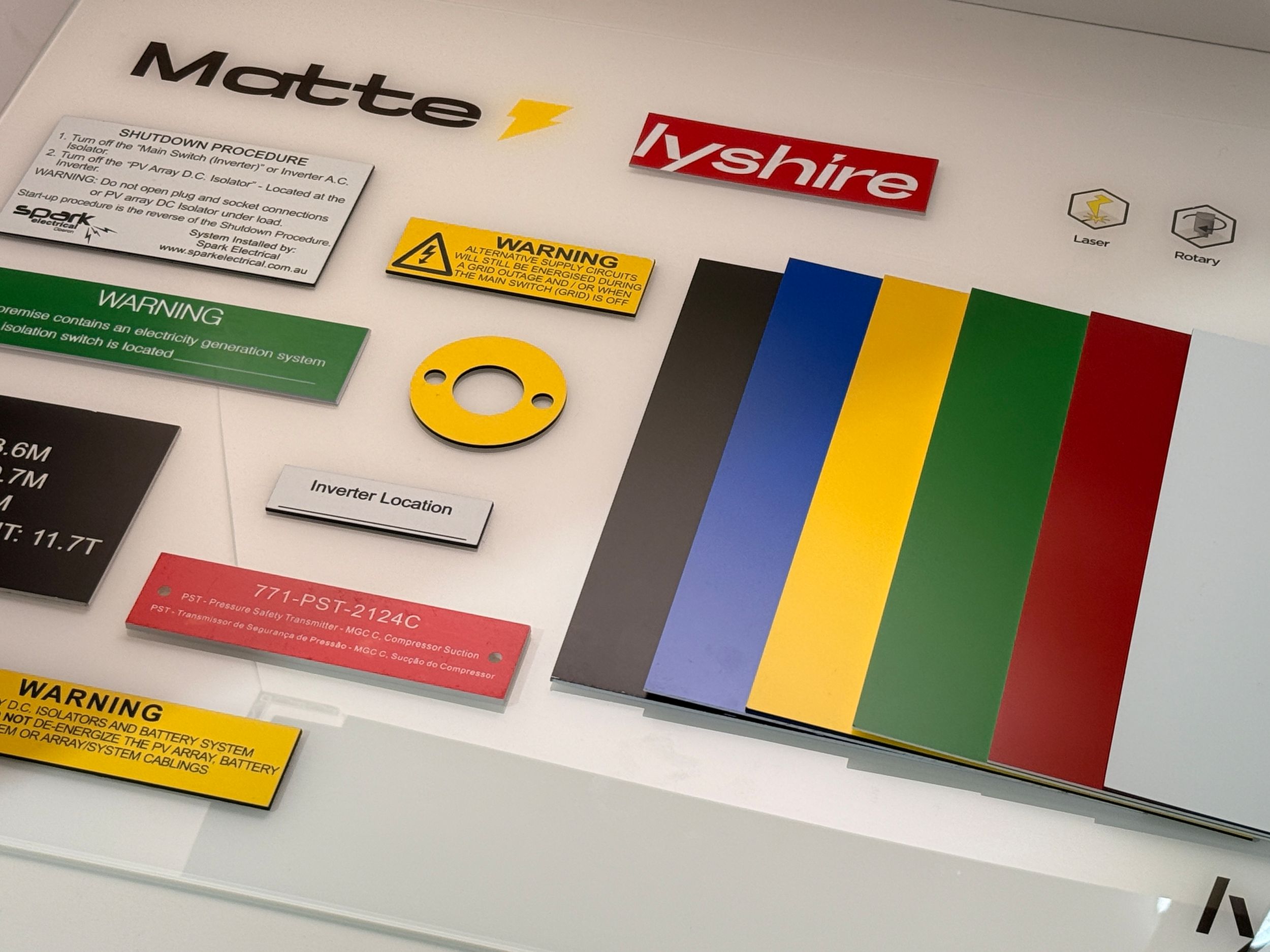
It’s easy to get drawn in by an item’s initial charm, but what truly defines its worth is how it weathers the years. Natural materials like full-grain leather, solid oak, or uncoated brass don’t just survive daily use—they develop a patina that tells a story. Unlike their mass-produced counterparts, these substances often require a break-in period, then settle into something uniquely yours. The creases on a leather bag, the mellowing of raw wood, or the soft shine on brass hardware aren’t flaws; they’re evidence of a life well lived. When you choose materials that age gracefully, you’re picking a companion for the long haul, not just a temporary fix.
Consider the contrast between fast-fashion synthetics and heirloom-quality fibers. A polyester blend might hold its shape for a season, but after repeated laundering, it pills, fades, and loses its structure. Wool, linen, or heavyweight cotton, on the other hand, can become softer and more comfortable over time, maintaining their integrity decade after decade. Similarly, solid wood furniture with traditional joinery can endure moves, bumps, and climate shifts far better than particleboard slapped together with glue and staples. It’s not about luxury for its own sake—it’s about recognizing that certain materials are engineered to fail, while others are built to last, and choosing accordingly.
Being mindful of material composition shifts the focus from fleeting trends to lasting value. When you inspect a potential purchase, let your fingers do the first reading: feel the weight, check the seams, look for natural variations that indicate authenticity. An imperfectly dyed all-wool blanket or a cast iron skillet with a rough seasoning layer isn’t a defect—it’s a mark of honesty. These pieces rarely come with slick marketing; they simply do their job quietly, growing more essential as the years pass. By investing in what fundamentally holds up, you surround yourself with objects that not only serve a purpose but also hold memories, turning the everyday into something enduring.
The Hidden Trade-Offs Between Cost and Longevity
When buying almost anything, from electronics to furniture, we instinctively weigh price against how long we think something will last. But the real trade-offs are rarely spelled out on the price tag. Manufacturers often make deliberate engineering choices that quietly swap longevity for a lower sticker price—thinner materials, sealed batteries, and proprietary components that are expensive or impossible to replace. These decisions are not always about cutting corners; they are about hitting a price point that consumers have come to expect, even if it means the product ends up in a landfill years sooner than it could have.
What makes these compromises so hidden is how they shift costs away from the manufacturer and onto the buyer over time. A cheaper appliance might save you a hundred dollars upfront, but if its sealed bearing or plastic gear strip fails just past the warranty, you are often left choosing between an expensive repair that nearly matches the original price and throwing the whole thing away. Meanwhile, a more repairable alternative might cost twice as much initially, yet easily outlive three of its budget counterparts. The math only becomes clear when you stop looking at the initial purchase and start calculating cost per year of actual use.
There is also a subtler side to the cost-longevity equation: the way brands use pricing psychology to disguise short lifespans as premium features. Products positioned as “accessible luxury” often use high-end finishes and marketing to command higher prices, yet internally they share the same non-repairable architecture as entry-level models. The profit margin comes not from better longevity, but from convincing you that a well-designed object is inherently more durable—a story that falls apart the moment something breaks. Recognizing these patterns is the first step toward making purchase decisions that align with your real needs, not just the price on the shelf.
Finishes That Stay Legible, Not Just Look Good
A beautiful finish means little if the text blurs or fades within weeks. We prioritize coatings that lock in clarity, guarding against wear while keeping every line crisp. From matte overlays that cut glare to tactile laminates that hold up under frequent handling, the goal is simple: information that remains effortless to read, long after the first impression.
Too often, finishes are chosen purely for aesthetics, sacrificing functionality. Our approach combines durability with readability—whether it's a glare-resistant satin that ensures visibility under harsh lighting, or a soft-touch coating that resists smudges without compromising text sharpness. It’s about preserving the integrity of the content, making sure it stays accessible and legible in any environment.
We test finishes under real-world conditions, not just in a lab. Greasy fingers, sunlight, and constant flipping through pages shouldn’t render your message illegible. By balancing protection with optical clarity, we deliver results that look as good as they function, keeping the focus where it belongs: on the words themselves.
Bulk Buying Without the Guesswork
Ever stared at a bulk-buy shelf, calculator in hand, trying to divine the true cost per ounce while a growing line of impatient shoppers forms behind you? That frantic arithmetic rarely yields peace of mind. Instead, it’s about building intuitive benchmarks: knowing that your household plows through 12 rolls of paper towels each month means any pack under that count isn’t really a bargain. The real shortcut is weighing unit prices against your actual consumption rhythm, not just the sticker price.
Storage space often plays the villain in bulk-buying mishaps. A pantry packed to the point of avalanche risks waste more than it saves money. Before loading the cart, visualize where those 48 cans of diced tomatoes will live, and whether you’ll realistically cycle through them before expiration. Some of the smartest bulk shoppers treat their homes like mini warehouses: a dedicated shelf for surplus, a sharp eye on FIFO (first in, first out), and a willingness to split monster packs with neighbors. That way, you’re leveraging quantity without turning your kitchen into a hoarder’s paradise.
Finally, don’t let the ‘family size’ label hypnotize you. Sometimes the per-unit price on super-sized packages is only pennies cheaper, yet the sheer volume tricks you into overbuying perishables. Compare the middle-tier sizes too—they often hit a sweet spot where savings stay solid without the stress of impending spoilage. And if a warehouse club membership fee barely gets offset by your yearly haul, walk away. Bulk buying at its best isn’t about massive amounts; it’s about matching quantity to your life so seamlessly you’re never left guessing.
Installation Pitfalls That Undermine Compliance
Rushing through default settings is one of the quickest ways to invite non-compliance. Pre-selected options often prioritise convenience over security, leaving sensitive data exposed or logging mechanisms disabled. Tweaking these defaults—especially around access controls and encryption—turns a generic setup into a hardened configuration that actually meets regulatory expectations.
Patch management gets overlooked more often than you’d think, and the aftermath is rarely pretty. Skipping an update because it’s inconvenient or delaying a hotfix to avoid downtime creates a window that auditors and attackers both know to look for. A single missed patch can unravel months of compliance work, pulling the rug out from under your posture on audit day.
Poorly handled dependencies are another silent saboteur. When an installer drags in outdated libraries or bundled components that haven’t been vetted, it’s like bolting a weak link onto an otherwise solid chain. Those hidden pieces might carry their own vulnerabilities or licensing conflicts, and they’ll surface eventually—dragging your compliance status down with them.
FAQ
ADA signs are designed to make public spaces accessible to individuals with disabilities, per the Americans with Disabilities Act. They often include tactile text, braille, and high-contrast visuals. The materials matter because they must provide durability, precise engraving for tactile readability, and non-glare surfaces to ensure compliance with federal standards.
Absolutely. Many suppliers offer bulk pricing on materials like acrylic, photopolymer, and metal laminates that meet ADA requirements. The key is to verify that the materials have been tested for UV stability, scratch resistance, and are Grade 2 braille compatible. Ordering directly from manufacturers can significantly reduce costs while maintaining strict adherence to the guidelines.
Look for materials that meet or exceed the 2010 ADA Standards for Accessible Design. This means the substrate should have a non-glare finish, the tactile characters must have a specific depth and height ratio, and the braille should be perfectly spherical dots. Reputable wholesalers often provide compliance documentation or certification for their products.
In high-traffic zones, you'll want materials like laminated acrylic with a matte finish or photopolymer embedded with stainless steel. These resist fading, impacts, and chemical cleaners. Some advanced photopolymer materials even come with self-healing properties for minor scratches, keeping the signs looking sharp for years.
Definitely. Many wholesale providers offer customization in terms of size, shape, and color, but they should guide you to stay within the legal parameters. For instance, you can choose brand-specific hues as long as there's a 70% contrast ratio between characters and background. Work with a supplier that has a deep understanding of the fine print in ADA regulations.
Stock blanks are pre-manufactured, ready-to-engrave sheets that save time and are ideal for straightforward projects. Made-to-order blanks allow you to specify dimensions, corner radius, and even mounting holes. While stock blanks are quicker, custom blanks ensure a perfect fit for unique architectural requirements—both can be fully compliant if sourced correctly.
For outdoor signs or areas with harsh lighting, you need materials with high UV resistance and a matte finish to prevent glare. In humid environments, avoid materials that warp or delaminate, like certain low-grade plastics. Look for all-weather photopolymer or high-pressure laminate that can handle temperature swings without losing tactile integrity.
Conclusion
Navigating ADA sign compliance can be overwhelming, but wholesale material solutions make it manageable once you cut through the legal jargon and focus on what truly matters. The foundation lies in selecting materials that resist wear and tear over time—acrylic, photopolymer, and properly treated metals outperform cheaper alternatives that quickly fade or delaminate. There's an unavoidable trade-off between initial cost and longevity; investing a bit more upfront in durable substrates prevents frequent replacements and ensures consistent compliance. Equally critical are the finishes: a matte, non-glare surface keeps text readable under various lighting conditions, far beyond just looking good. When ordering in bulk, partner with a supplier who understands these nuances, so you avoid guesswork and receive every sign with uniform quality and clarity.
Even the best materials fail if installation goes wrong—mounting at incorrect heights or ignoring tactile requirements undermines compliance in an instant. A true wholesale material solution extends beyond the product itself, offering guidance to sidestep these pitfalls. By marrying robust materials with finishes that prioritize legibility, then securing them through proper installation, you create signage that withstands scrutiny and daily use. This holistic approach transforms ADA compliance from a check-box chore into a lasting investment that serves everyone who walks through your doors.
Contact Us
Contact Person: Tina Hou
Email: [email protected]
Tel/WhatsApp: +86 17816238685
Website: https://www.lyshire.com