

Wholesale Fire Retardant Clothing: Essential Protection for High-Risk Work Environments
2026-07-20
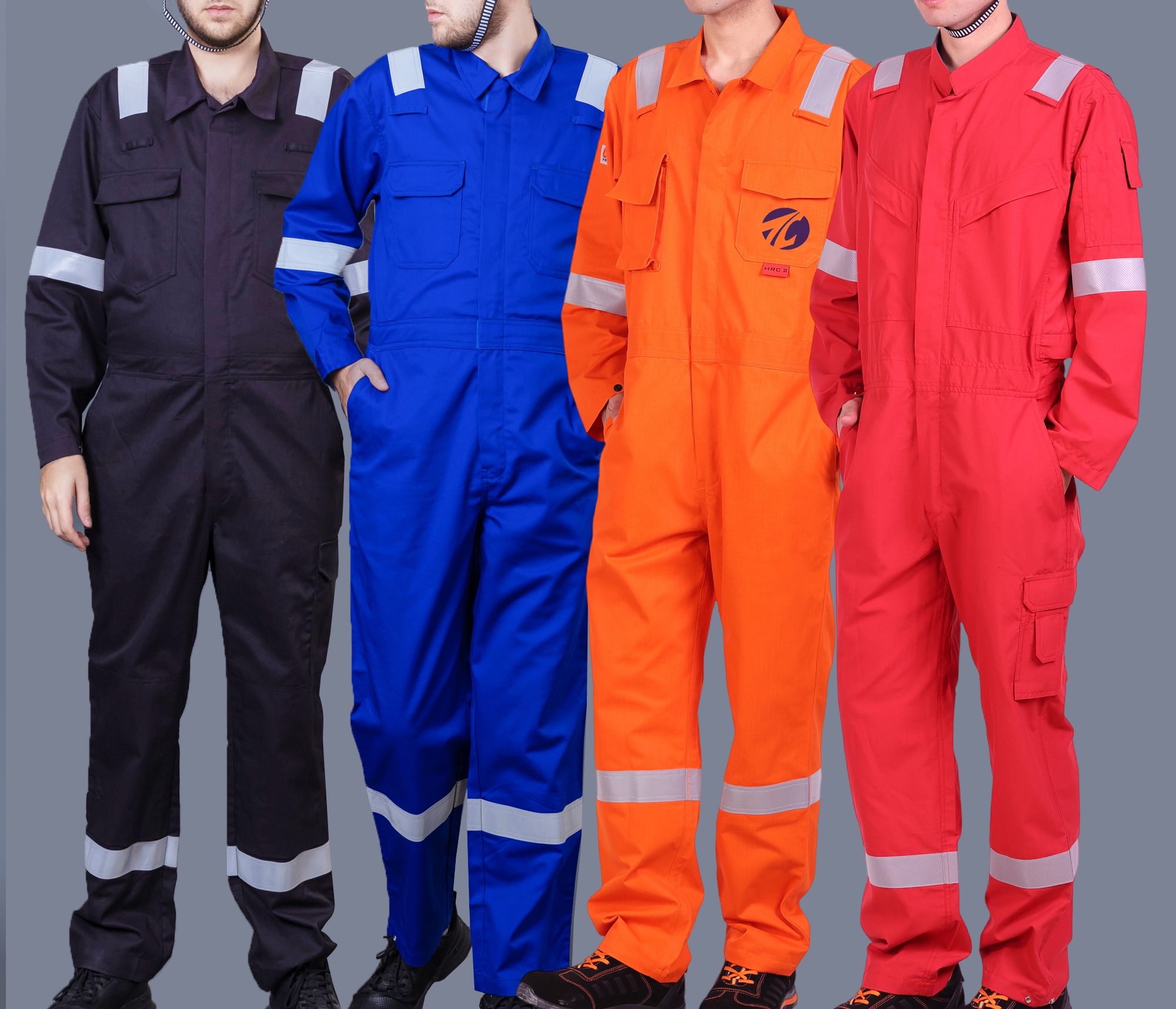
When it comes to safety in high-risk work environments, not all protective gear is created equal. For those facing extreme heat, flames, or electrical hazards, standard uniforms simply won't cut it. That's where wholesale fire retardant clothing steps in—offering vital defense without compromising on comfort or durability. At the heart of this life-saving apparel is DROTEX, a brand that has redefined what it means to stay protected on the job. But what exactly makes fire retardant fabrics different, and why should businesses source them in bulk? Let’s explore the hidden layers of technology and trust that keep workers safe day after day.
The Chemistry That Keeps You Shielded From Flames
Fire protection often starts at the molecular level, where carefully engineered compounds step in to break the chain reaction that sustains a blaze. These flame retardants work by releasing halogen radicals—usually bromine or chlorine—when heated, which intercept the highly reactive hydrogen and hydroxyl radicals in the flame. By diverting the combustion cycle, the material self-extinguishes or slows down burning long enough for you to react. It's a quiet, invisible shield built right into fabrics, electronics, and building materials.
Phosphorus-based chemistries take a different approach, promoting the formation of a protective char layer on the surface when exposed to heat. This char acts as a physical barrier, insulating the underlying material from oxygen and further thermal degradation. Some intumescent coatings even swell to many times their original thickness, creating a thick, foam-like guard that can buy critical minutes during a fire. The beauty is in the precision: modern formulations are tailored to activate at specific temperatures, minimizing the impact on the material's look and feel while maximizing safety.
Not all flame retardancy relies on halogens or heavy metals. Inorganic fillers like aluminum hydroxide and magnesium hydroxide work by endothermic decomposition, absorbing heat and releasing water vapor as they break down. This cools the material and dilutes flammable gases, effectively smothering the fire before it can spread. Because these minerals are naturally abundant, they offer a cleaner, often more sustainable option for guarding everyday items—from children's pajamas to airplane interiors—without compromising on performance.
Decoding Safety Benchmarks That Matter Most
When we talk about safety benchmarks, the conversation often gets tangled in endless checklists and unrealistic scenarios that rarely translate to real-world risks. But the heart of the matter isn't about passing every test thrown at you—it's about understanding which measurements actually capture the vulnerabilities that users will encounter. Effective safety evaluation isn't a box-ticking exercise; it's a layered process that prioritizes harm categories based on frequency, severity, and the changing tactics of adversaries. Without that focus, you end up optimizing for metrics that look good on paper but leave critical gaps when it matters.
The most meaningful safety benchmarks share a common thread: they are built on authentic threat models and reflect the messy, often adversarial ways people interact with technology. Instead of synthetic prompts that mirror textbook violations, they simulate genuine misuse—from subtle jailbreaking to indirect harm through multi-turn dialogue. They also resist the temptation to isolate safety from helpfulness, recognizing that a model that refuses every request might be “safe” by a narrow definition but useless in practice. The sweet spot lies in benchmarks that force a trade-off, measuring how gracefully a system handles nuance without tripping into unsafe territory.
Another overlooked dimension is contextual relevance. A benchmark that flags high-risk content in one cultural or linguistic setting might miss the mark entirely in another, making diversity of test data non-negotiable. Moreover, static benchmarks have a short shelf life; as models evolve and public expectations shift, yesterday's safety innovations become today's blind spots. That's why the best evaluation frameworks are living, breathing artifacts—continuously updated with community feedback, novel attack vectors, and edge cases that surface only after deployment. Ultimately, decoding which benchmarks matter comes down to an uncomfortable truth: safety isn't a destination but a moving target, and our measurements must move just as fast.
How Modern Designs Put Comfort on Equal Footing
For decades, the design world seemed to treat comfort as an afterthought—something you’d add with a throw pillow or a soft rug after the “real” aesthetic decisions were made. That mindset has quietly dissolved. Today’s interiors don’t ask you to choose between a sculptural chair and one you can actually sink into for hours. The most compelling spaces now prove that ergonomics and visual appeal aren’t rivals; they’re collaborators, each making the other stronger.
Furniture designers have finally abandoned the idea that beauty requires sacrifice. You can see it in the resurgence of deep, enveloping sofas that still hold a crisp silhouette, or in dining chairs that cradle the lower back without looking like office equipment. Materials play a huge role here too: performance fabrics that feel like butter, responsive foam layers that adapt to the body, and solid wood forms shaped with a more organic, human-aware geometry. The result is a sense of ease that doesn’t whisper “I gave up on style.”
Lighting and acoustics have also quietly stepped into the comfort conversation. Designers are paying closer attention to how a room sounds and feels after dark—using layered, warm light sources that eliminate harsh shadows, and soft wall panels or drapery that take the edge off echoes. It’s a more holistic approach to wellbeing that treats your senses as part of the overall design, not an afterthought. When comfort becomes a pillar of the concept from the start, the space ends up looking not just softer, but smarter.
Outfitting Specific Roles Without Compromise
Every industry has roles that push the boundaries of standard gear—think frigid cold storage, high-heat foundries, or sterile cleanrooms. The trick isn’t just layering on protection; it’s weaving safeguards into the fabric without hobbling motion or adding unnecessary heft. When a single shift straddles a freezer and a loading dock, the outfit has to pivot just as smoothly. It’s about letting specialists move the way they need to, while the uniform quietly handles the extremes.
Durability often becomes the quiet casualty of specialization. You see uniforms that survive the acid wash but fray at the seams after a dozen cycles, or boots that grip oil-slicked floors yet let moisture seep through by month’s end. True no-compromise outfitting studies the whole lifecycle—how materials age, what repeated laundering does to reflective tape, whether a zipper will jam when a worker’s hands are gloved and greasy. It’s the kind of detail that keeps safety factors intact long after the new-gear smell fades.
Beyond the physical, there’s a mental load that poorly designed workwear carries. If someone’s constantly tugging at a stiff collar or fumbling with snaps that catch on webbing, their focus splinters. Well-tuned outfitting removes those micro-irritants, so minds stay on the task, not on the gear. It respects the wearer’s time and comfort, turning what could be a daily compromise into an invisible support system—geared precisely for the role, not the brochure.
Simple Routines That Prolong Protective Gear
Taking a few minutes after each use to wipe down your gear keeps sweat and grime from breaking down materials. Just warm water and mild soap can do the trick for most items, while a soft brush helps remove stubborn dirt without causing scratches. Don't forget to let everything air dry completely before storing—trapped moisture is a quiet destroyer of padding and straps.
Storage habits matter more than you might think. Hanging a helmet by its strap warps the retention system over time, and stuffing knee pads into a tight bag bends the protective layers into odd shapes. Instead, place gear loosely on a shelf or in a ventilated bin, away from direct sunlight. Regular spot checks for loose stitches or thinning foam take seconds and can prevent a small tear from becoming a large failure during critical moments.
What to Look for in a Wholesale Partner
A dependable wholesale partner isn't just about the lowest price—it's about consistency, communication, and flexibility. You want someone who treats your business as seriously as you do, with a track record of on-time deliveries and transparent inventory levels. A partner who hides stock shortages or delays shipments can erode your customer trust faster than any competitor. Instead, look for signs of proactive problem-solving: do they alert you before a supply issue arises? Are they willing to adjust order minimums during your slow seasons? These may seem like small courtesies, but they signal a relationship built to last beyond the first few transactions.
Beyond basic reliability, consider how much effort they invest in product quality and packaging. The best suppliers view their own reputation as intertwined with yours. They don't just ship boxes; they ensure items arrive in pristine condition, with packaging that reflects your brand's standards. Ask for samples, visit their facility if possible, and pay attention to how they handle the details—like labeling, inserts, or even eco-friendly materials. A partner who cares about these elements is more likely to evolve with your needs rather than becoming a bottleneck as you scale.
FAQ
It is designed to self-extinguish after the ignition source is removed, which helps reduce burn injuries and gives workers extra seconds to escape during sudden flash fires or arc flashes.
Industries such as oil and gas, electrical utilities, chemical processing, welding, and firefighting often outfit their teams with flame-resistant clothing to comply with safety mandates and protect against thermal risks.
Buying in bulk lowers the cost per item, maintains uniform protection across all employees, and streamlines stock replenishment when working with a trusted supplier.
Verify that the clothing meets relevant safety standards like NFPA 2112 or EN ISO 11612, evaluate the durability and comfort of the fabric, and ensure the vendor provides a wide size range and style options.
Contemporary FR fabrics blend protective qualities with breathability and moisture management, so workers can stay comfortable during extended shifts without compromising on safety.
Stick to the manufacturer's washing instructions, avoid bleach and fabric softeners, use FR-compatible detergents, dry properly, and check garments for tears or wear before each use.
Many wholesalers can add logos through embroidery or printing with flame-resistant threads and inks, ensuring that the customization does not reduce the garment's protective effectiveness.
Conclusion
Fire retardant clothing does more than just meet a regulatory checkbox—it’s an engineered barrier between workers and sudden thermal events. The core of this protection lies in the chemistry of the fabrics, whether inherently flame-resistant fibers or treated materials that interrupt combustion. When exposed to flame, these textiles resist ignition, self-extinguish once the source is removed, and minimize heat transfer to the skin, buying precious seconds for escape. Beyond the fiber level, every piece must align with rigorous safety benchmarks like NFPA 2112 or ASTM F1506, which test for flash fire protection, arc rating, and thermal shrinkage. Understanding these standards isn’t just academic; it directly shapes how well the gear performs in the flash of an industrial accident.
Modern designs have evolved to prioritize wearer comfort without sacrificing safety. Lightweight, breathable fabrics and ergonomic cuts reduce fatigue during long shifts, making compliance feel less like a burden. This balance is especially critical when outfitting specific roles—electricians need arc-rated protection that doesn’t restrict movement, while oilfield workers demand garments that handle grease and repeated laundering. To keep these items effective, simple care routines like using pH-neutral detergents and avoiding fabric softeners go a long way in preserving the flame-resistant properties. Finally, choosing a wholesale partner involves more than just price checks; true value comes from suppliers who offer certified products, custom branding, and consistent inventory, ensuring your workforce remains safeguarded without operational hiccups.
Contact Us
Contact Person: Sandy
Email: [email protected]
Tel/WhatsApp: 86150 8310 5120
Website: https://www.frdrotex.com