

Which surface treatment process is superior during sheet metal chassis fabrication?
2025-12-08
As we all know, sheet metal chassis provide robust protection for internal precision components in various fields, from electronic devices and communication facilities to industrial control systems. However, surface treatment is a crucial step in the sheet metal chassis manufacturing process, enhancing not only the chassis's aesthetics but also its durability. So, do you know which surface treatment process is superior in sheet metal chassis manufacturing? Below, Zhongyilong Hardware will introduce it to you:
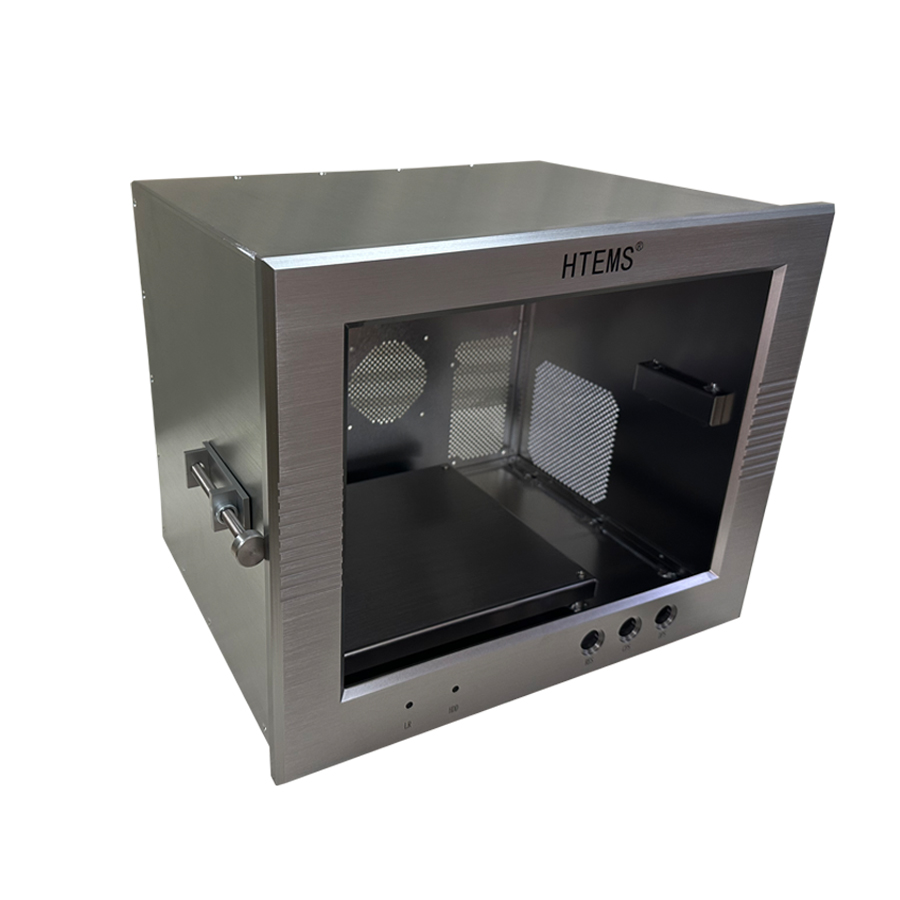
Surface Treatment Processes in Sheet Metal Chassis Manufacturing:
1. Spray Coating:
Spray coating is widely used in sheet metal chassis manufacturing. Paint is evenly sprayed onto the chassis surface using a spray gun, forming a protective film. This process has significant advantages: it greatly improves the chassis's appearance, giving the otherwise monotonous metal chassis a rich variety of colors to meet the personalized needs of different customers. Simultaneously, this protective film effectively prevents the chassis from being corroded by the external environment, resisting moisture, dust, and chemicals, reducing wear, and thus extending the chassis's service life. Moreover, spray coating offers high flexibility, allowing for the selection of different types of paint according to different usage scenarios and needs, such as a combination of epoxy resin primer and polysiloxane topcoat. Some high-end projects also employ powder coating technology to achieve a dual improvement in surface hardness and weather resistance. However, spray coating also has some drawbacks. For example, volatile organic compounds (VOCs) may be generated during the coating process, causing some environmental pollution. Additionally, the color cannot be changed arbitrarily during coating, and the stability of the paint is difficult to control after prolonged storage.
2. Electroplating Process:
Electroplating is another common surface treatment method in sheet metal chassis processing. It utilizes the principle of electrolysis to plate a layer of metal, such as zinc, nickel, or chromium, onto the chassis surface. This metal plating layer acts like a sturdy armor for the chassis, greatly enhancing its corrosion resistance and allowing it to maintain stable performance in harsh environments, preventing rust and damage. Furthermore, electroplating gives the chassis a unique metallic luster, making the product look more upscale and refined, improving its overall quality and market competitiveness. However, electroplating also has its limitations. The electroplated layer is generally thin, ranging from a few micrometers to tens of micrometers, which may affect the durability of its protective effect to some extent. In addition, the electroplating solution used in the process contains some harmful substances, which can pollute the environment if not handled properly. At the same time, the cost of electroplating is relatively high, which may not be suitable for some cost-sensitive projects.
3. Oxidation Process:
For aluminum sheet metal chassis processing, oxidation is a highly targeted surface treatment process. A dense oxide film is formed on the surface of aluminum through electrolysis or chemical methods. This oxide film acts as a natural barrier, tightly adhering to the aluminum chassis surface and effectively improving its corrosion resistance and wear resistance. It prevents external oxygen, moisture, and other harmful substances from directly contacting the aluminum substrate, slowing down the oxidation rate and preventing rust and corrosion. Simultaneously, the oxide film enhances the surface hardness of the aluminum chassis, reducing wear caused by friction and making the chassis more robust and durable. However, oxidation processes are primarily suitable for aluminum materials; their application is relatively narrow for chassis made of other metals. Furthermore, the effectiveness of oxidation treatment can be affected by factors such as aluminum purity and oxidation process parameters; improper control can lead to poor oxide film quality.
In summary, we can see that surface treatment processes such as spraying, electroplating, and oxidation in sheet metal chassis manufacturing each have unique advantages and functions. They improve the performance and appearance of sheet metal chassis from different aspects, meeting the diverse needs of different fields and customers. Therefore, in practical applications, users should weigh the pros and cons and choose the appropriate surface treatment process based on specific usage scenarios, cost budgets, material types, and other factors. Contact us.